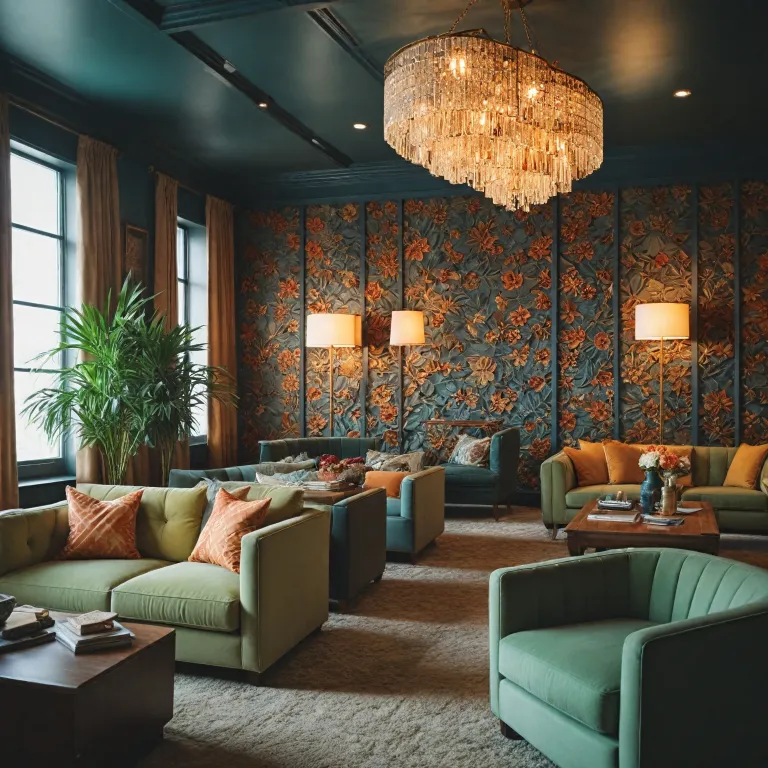
Innovative approaches shaping unique hotel interiors worldwide
Across the hospitality industry, the pursuit of unique hotel interiors worldwide has become a defining factor in attracting discerning guests. Architects and designers are leveraging advanced construction techniques and collaborating with renowned artists to create immersive environments. The integration of local culture into hotel design, from the vibrant motifs of a desert resort to the refined elegance of a luxury hotel on Lake Como, ensures each guest room and suite offers a distinct sense of place.
Hotel designs now emphasize sustainability, with eco-friendly materials and energy-efficient systems becoming standard in both new builds and renovations. The use of local artisans and craftsmen enriches the authenticity of interiors, while cutting-edge technology enhances comfort and operational efficiency. Notably, the Morpheus Hotel in Macau, designed by Zaha Hadid Architects, stands as a testament to the transformative power of hospitality design, with its 153.7-meter height and striking façade.
From the infinity pool at a beach club in Saudi Arabia to the tranquil spa at the Upper House in Hong Kong, each space is meticulously crafted to elevate the guest experience. The best hotel interiors worldwide balance luxury with functionality, ensuring that every stay is memorable.
Signature projects and visionary designers redefining hospitality spaces
Visionary designers like Christian Louboutin, Alan Faena, and Kit Kemp have left an indelible mark on unique hotel interiors worldwide. Christian Louboutin’s Vermelho Hotel in Portugal showcases a harmonious blend of luxury, artistry, and local heritage, while Alan Faena’s projects in New York exemplify the fusion of art and hospitality. Kit Kemp’s interiors at the Warren Street Hotel in New York are celebrated for their vibrant colors and bespoke furnishings, setting new standards for guest rooms and suites.
Rachael Gowdridge’s transformation of a Victorian public toilet into The Netty boutique hotel in Oxford demonstrates the creative potential of adaptive reuse in hospitality design. Each of these projects exemplifies the importance of context, with interiors reflecting the cultural and geographic nuances of their locations. The Upper House in Hong Kong and Ett Hem in Stockholm are further examples where interior design and architecture converge to create intimate, welcoming environments for guests.
Luxury hotels and resorts are increasingly investing in signature spaces such as spas, villas, and infinity pools to differentiate their offerings. The integration of courtesy amenities and personalized service enhances the overall guest experience, reinforcing the value of thoughtful design.
FF&E strategies for lasting impact in hotel design and renovation
Furniture, fixtures, and equipment (FF&E) play a pivotal role in defining the character of unique hotel interiors worldwide. Asset managers and technical directors are prioritizing quality, durability, and sustainability when selecting FF&E for both new projects and renovations. The choice of materials, from locally sourced woods to innovative composites, directly influences the longevity and appeal of guest rooms, suites, and public spaces.
Collaboration between designers, suppliers, and hotel operators ensures that FF&E selections align with the overall design vision and operational requirements. The best hotel designs incorporate flexible layouts and modular furnishings, allowing for easy adaptation to changing guest needs. In luxury resorts and villas, bespoke FF&E solutions create a sense of exclusivity and comfort, enhancing the value proposition for guests.
FF&E procurement strategies must also consider logistics, lead times, and budget constraints, particularly in large-scale projects like the Ritz Carlton or Zannier Hotels properties. The integration of smart technology into FF&E, such as automated lighting and climate control, further elevates the guest experience.
Immersive guest experiences through art, culture, and local identity
Unique hotel interiors worldwide are increasingly defined by their ability to immerse guests in the local culture and artistic heritage of their surroundings. The integration of art installations, curated collections, and bespoke décor elements creates a narrative that resonates with guests and enhances the sense of place. In national park lodges, for example, natural materials and indigenous motifs are used to connect guests with the landscape.
Luxury hotels on Lake Como or in Saudi Arabia often feature collaborations with local artists, resulting in interiors that celebrate regional craftsmanship and creativity. The spa at the Upper House in Hong Kong and the guest rooms at Ett Hem Stockholm exemplify how design can evoke tranquility and well-being. Courtesy amenities, such as locally inspired welcome gifts, further personalize the guest journey.
Hotel designs that prioritize cultural authenticity and artistic expression set new benchmarks for the industry. The best guest rooms and suites offer more than comfort; they provide a window into the destination’s history and identity. As one expert notes, "A unique hotel interior combines innovative design, cultural elements, and artistic features to create a memorable guest experience."
Operational excellence and guest satisfaction in luxury hotel environments
Operational efficiency and guest satisfaction are at the core of successful hotel design and renovation projects. Asset managers and investors are increasingly focused on optimizing the flow of spaces, from the lobby to the spa and beach club, to enhance the overall guest experience. The layout of rooms, suites, and villas is carefully planned to maximize privacy, comfort, and views, particularly in high-end resorts and urban hotels.
Technological advancements, such as smart room controls and contactless check-in, are being integrated into guest rooms and public areas to streamline operations and improve convenience. The best hotel interiors worldwide balance these innovations with timeless design principles, ensuring that luxury and functionality coexist seamlessly. The Ritz Carlton and Zannier Hotels exemplify this approach, offering guests a harmonious blend of tradition and modernity.
Continuous training and development of staff, coupled with the use of advanced management systems, contribute to operational excellence. Courtesy and personalized service remain hallmarks of luxury hospitality, reinforcing the importance of design in shaping memorable stays. As the industry evolves, the focus on guest-centric design will continue to drive innovation and set new standards for hotel interiors worldwide.
Future trends and challenges in global hospitality design
The future of unique hotel interiors worldwide will be shaped by evolving guest expectations, technological advancements, and sustainability imperatives. Designers and architects must anticipate shifts in travel patterns, such as the growing demand for wellness-focused resorts and eco-friendly accommodations. The integration of biophilic design elements, such as natural light and greenery, is becoming increasingly prevalent in both urban and remote settings.
Challenges remain, particularly in balancing the need for innovation with operational feasibility and budget constraints. Asset managers and investors must navigate complex supply chains and regulatory requirements, especially when undertaking large-scale renovations or new builds. The best hotel designs will continue to prioritize flexibility, allowing for adaptation to changing market conditions and guest preferences.
Collaboration across disciplines, from architecture and interior design to FF&E procurement and technical services, will be essential in delivering successful projects. As one industry expert observes, "Designers like Christian Louboutin, Alan Faena, and Zaha Hadid have significantly contributed to unique hotel interiors worldwide." The ongoing exchange of ideas and best practices will ensure that the hospitality industry remains at the forefront of design innovation.
Key statistics on unique hotel interiors worldwide
- Number of unique hotel openings in 2025: 19 hotels
- Cost of constructing The Muraka: 15 million USD
- Height of Morpheus Hotel: 153.7 meters
Frequently asked questions about unique hotel interiors worldwide
What makes a hotel interior unique?
A unique hotel interior combines innovative design, cultural elements, and artistic features to create a memorable guest experience.
Are there hotels with underwater rooms?
Yes, The Muraka in the Maldives offers an underwater suite with panoramic views of marine life.
Who are some notable designers in hotel interiors?
Designers like Christian Louboutin, Alan Faena, and Zaha Hadid have significantly contributed to unique hotel interiors worldwide.
Trustful sources for further reading on unique hotel interiors worldwide
- https://www.dezeen.com
- https://www.archdaily.com
- https://www.hospitalitynet.org