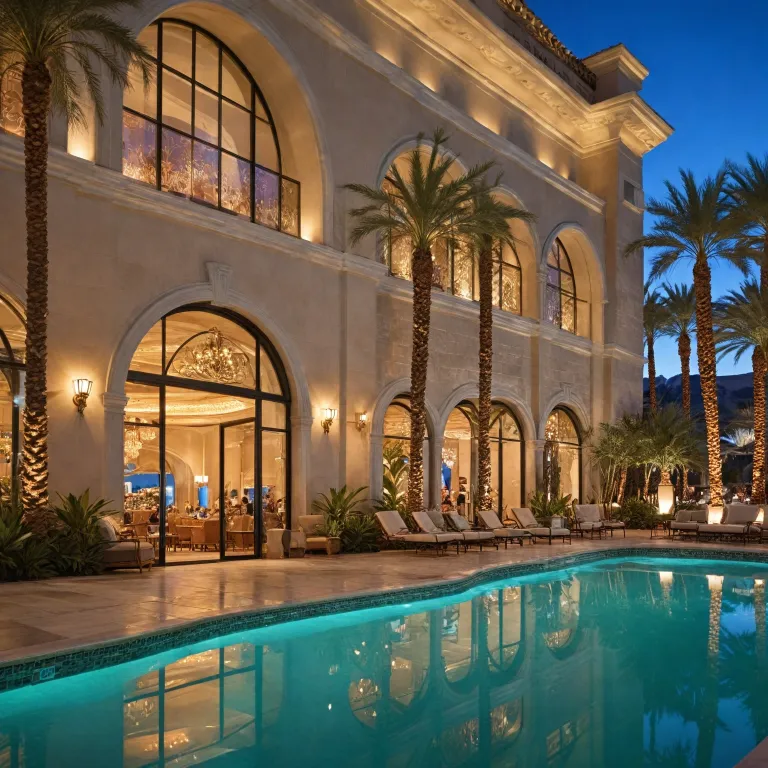
From Sahara legacy to SLS portfolio in Las Vegas
The transformation from Sahara Las to the contemporary SLS portfolio Las Vegas is a masterclass in adaptive reuse on a hyper competitive strip. For architects, designers, and asset managers, this hotel and casino demonstrates how a legacy property can be repositioned as a design forward resort while still respecting its american mid century heritage. The redevelopment relied on a $415 million renovation that reimagined every hotel room, public space, and casino floor while preserving structural bones that once defined Sahara Las as an icon.
Located at 2535 Las Vegas Boulevard, the property reopened as SLS Las Vegas with 1 600 rooms and suites, immediately entering a crowded vegas hotel landscape. The strategy hinged on aligning the SLS portfolio Las Vegas with global brands such as Hilton and Starwood Hotels to secure visibility in the travel industry and loyalty programs. During its evolution, part of the complex operated as SLS Las under Tribute Portfolio and W Hotel flags, creating a layered identity that mixed boutique sensibility with large scale resort operations.
For design teams, the vegas SLS story underscores how brand affiliations shape FF&E, wayfinding, and guest flow. Starwood Hotels requirements for Tribute Portfolio, for example, influenced everything from corridor lighting to in room technology, while Hilton’s Curio positioning demanded a distinct narrative within the broader vegas tribute ecosystem. This constant recalibration affected hotel reviews, business class travel expectations, and even how american airlines and other airlines positioned the property within bundled travel tips and reports travel content.
Today, reviews hotel platforms still reference the site’s Sahara Las past, its SLS Las phase, and its subsequent rebrandings. For investors and bureaux d’études, those layered reviews and reports provide a living archive of design decisions, resort fee strategies, and operational pivots. The SLS portfolio Las Vegas therefore stands as a case study in how architecture, FF&E, and branding intersect over time on the Las Vegas Strip.
Architecture and adaptive reuse as strategic tools on the Strip
The architectural repositioning of SLS Las Vegas illustrates how adaptive reuse can rival ground up vegas resort projects in impact. Instead of demolishing the former Sahara Las structures, the design team retained key frameworks, allowing the SLS portfolio Las Vegas to channel history while delivering contemporary performance. This approach reduced structural waste, accelerated the construction timeline, and created a narrative that hotel reviews repeatedly highlight as a respectful nod to the past.
Philippe Starck’s collaboration on interiors brought a theatrical sensibility that aligned with the american entertainment culture of Las Vegas. Public areas were treated almost as a stage, where the casino, restaurants, and lounges form a continuous sequence of scenes that guide the guest journey. For hospitality designers, this vegas SLS choreography shows how circulation, ceiling heights, and lighting can be orchestrated to support both gaming revenue and elevated hotel review scores.
Technical directors and asset managers will note how the retained structure imposed constraints on vertical circulation, MEP routing, and acoustic separation between hotel room stacks and the casino. Yet those constraints also encouraged inventive solutions, such as layered ceilings and integrated lighting that now align with modern luxury lighting strategies for hospitality design, as explored in this reference on redefining luxury lighting for hotel projects. These decisions influence not only guest comfort but also long term maintenance reports and capital planning.
Brand partnerships with Hilton and Starwood Hotels, including the Tribute Portfolio component, added another architectural layer. Separate arrival experiences, differentiated signage, and distinct FF&E palettes were required to maintain clear brand identities within one vegas tribute address. For airlines partners and american airlines business class passengers booking packages, this allowed targeted positioning of specific towers and room types, which in turn shaped reviews hotel narratives and expectations around resort fee value.
FF&E strategy, room typologies, and the guest experience
Within the SLS portfolio Las Vegas, FF&E strategy became the primary tool for differentiating towers, room classes, and guest segments. Designers had to align the vegas SLS aesthetic with multiple brand standards, from Tribute Portfolio to Curio, while still creating a coherent story across the hotel and casino. This meant that every hotel room type, from compact king to suite, carried a distinct yet related language of materials, colors, and textures.
For asset managers, the FF&E program at SLS Las Vegas illustrates how investment in durable finishes can reduce lifecycle costs in a high wear vegas resort environment. Upholstery selections, casegoods construction, and bathroom fixtures were specified to withstand intense occupancy while still meeting the expectations of business class travelers and leisure guests. These decisions directly influence hotel reviews and reports travel commentary, especially when guests compare SLS Las to other vegas starwood or vegas tribute properties they have experienced.
Northside Cafe, one of the signature restaurants within the complex, also reflects this integrated FF&E thinking. Its furniture, lighting, and acoustic treatments support a 24 hour operation that serves both casino players and hotel guests returning from american airlines red eye flights. For designers working on supportive seating and ergonomic layouts, the lessons align with broader research on supportive furniture in hospitality interiors, especially as the travel industry welcomes older, more discerning clientele.
From an operational perspective, FF&E choices also intersect with loyalty programs and resort fee perceptions. When guests feel that the hotel room delivers strong functional value, from task lighting to storage, they are more likely to view the resort fee as justified and reflect that in hotel review platforms. For investors, these subtle links between design, perceived value, and reviews hotel data are crucial inputs into future reports and refurbishment planning across the SLS portfolio Las Vegas and comparable hotels.
Brand affiliations, loyalty programs, and the design brief
The evolution of SLS Las Vegas through affiliations with Hilton’s Curio Collection and Starwood Hotels reshaped the design brief multiple times. Each alignment within the SLS portfolio Las Vegas required recalibrating public spaces, signage, and even back of house flows to meet brand standards. For architects and bureaux d’études, this demonstrates how vegas hotel projects must anticipate brand flexibility from the earliest planning stages.
When part of the property operated under Starwood’s Tribute Portfolio and W Hotel brands, designers had to create distinct arrival sequences and lobby identities. These vegas tribute spaces needed to feel independent yet still integrated with the larger casino and resort ecosystem. The result was a layered environment where guests could move from a boutique style lobby to the high energy casino floor, then to restaurants like Northside Cafe, without losing orientation or comfort.
Loyalty programs from Hilton, Starwood Hotels, and airline partners such as american airlines also influenced spatial planning. Priority check in zones, dedicated queues, and signage for elite members were integrated into the architecture, subtly affecting circulation and perceived hierarchy. For business class travelers arriving from long haul flights, these design decisions often determine first impressions and shape subsequent hotel reviews and reports travel feedback.
For asset managers and investors, the vegas SLS case highlights how loyalty programs can drive room mix decisions and FF&E allocations. Suites and premium hotel room categories that appeal to high tier members may justify higher per key investment, especially when reviews hotel data confirms stronger satisfaction. As the travel industry continues to evolve, the SLS portfolio Las Vegas shows that design teams must treat brand and loyalty frameworks as core parameters, not afterthoughts, in every hotel and resort project.
Operational design, resort fees, and performance reporting
Behind the theatrical public spaces of SLS Las Vegas lies a rigorously planned operational backbone. The SLS portfolio Las Vegas had to integrate casino operations, multiple restaurants, and extensive meeting areas while maintaining efficient service routes and clear life safety strategies. For technical directors, the challenge was to reconcile legacy Sahara Las infrastructure with contemporary codes and the expectations of modern vegas hotels.
Resort fee structures, now standard across much of Las Vegas, also intersect with design and operations. Guests evaluate the value of that resort fee through tangible touchpoints such as pool areas, fitness facilities, and in room technology. When these amenities are well designed and consistently maintained, hotel reviews and reviews hotel platforms tend to frame the resort fee more positively, which in turn influences reports travel content and broader travel tips shared by frequent visitors.
For investors and asset managers, performance reports from SLS Las Vegas provide insight into how design decisions affect revenue per available room, gaming spend, and F&B capture. The interplay between casino layout, restaurant positioning, and hotel room access routes can either encourage or discourage ancillary spend. Airlines partners, including american airlines, monitor these dynamics as they negotiate package deals and business class promotions tied to specific vegas SLS or vegas tribute properties.
Design teams must therefore think beyond aesthetics and consider how every corridor, elevator bank, and back of house connection contributes to operational KPIs. Detailed post occupancy reports, combined with ongoing hotel review analysis, help refine future renovation phases within the SLS portfolio Las Vegas. For the wider travel industry, this case underscores the importance of integrating data driven feedback loops into the lifecycle of any major hotel and resort redevelopment.
Lessons for future hospitality projects from the SLS portfolio Las Vegas
The journey of SLS Las Vegas from Sahara Las heritage to a contemporary, multi brand resort offers transferable lessons for hospitality projects worldwide. First, adaptive reuse can be a powerful strategy when combined with bold design and clear positioning within the SLS portfolio Las Vegas or similar brand families. By retaining structure yet reimagining experience, developers can control costs while still delivering a vegas level spectacle that resonates with both american and international guests.
Second, the integration of casino, hotel, and F&B spaces shows how mixed use programming can enhance resilience in a volatile travel industry. Restaurants such as Northside Cafe, flexible meeting rooms, and varied hotel room categories allow the property to serve business class travelers, leisure visitors, and group segments simultaneously. This diversity is reflected in hotel reviews, reports travel commentary, and the way airlines and loyalty programs package stays at vegas SLS and vegas tribute properties.
Third, the SLS Las case highlights the importance of long term FF&E and renovation planning. As brand affiliations shift, from Starwood Hotels to independent positioning, furniture, finishes, and lighting must be adaptable enough to support new narratives without full scale replacement. For guidance on aligning FF&E with budget and guest expectations, many design teams now refer to frameworks such as these key strategies for selecting FF&E in hotel projects, which echo lessons learned on the Las Vegas Strip.
Finally, the SLS portfolio Las Vegas demonstrates that continuous monitoring of reviews hotel data and formal performance reports is essential. Insights from every hotel review, from praise for room comfort to criticism of resort fee value, should inform future design and operational tweaks. For architects, designers, asset managers, and investors, this vegas hotel remains a living laboratory where architecture, FF&E, branding, and the broader travel industry intersect in real time.
Key quantitative insights from the SLS Las Vegas redevelopment
- Total renovation investment for the transformation from Sahara to SLS Las Vegas reached approximately 415 million USD, underscoring the capital intensity of large scale adaptive reuse on the Strip.
- The redeveloped resort delivered around 1 600 guest rooms and suites, positioning the property as a sizeable player within the competitive Las Vegas hotel and casino market.
Frequently asked questions about SLS Las Vegas and its evolution
What was the original name of SLS Las Vegas ?
The original name of SLS Las Vegas was the Sahara Hotel & Casino, a historic property that operated for decades on the northern end of the Strip. Its closure created both a challenge and an opportunity for developers seeking to reposition the site. The subsequent redevelopment into SLS Las Vegas preserved structural elements while completely reimagining the guest experience.
When did SLS Las Vegas open after renovation ?
SLS Las Vegas opened after its major renovation on August 23, 2014, marking the official transition from the former Sahara identity to a new, design driven resort. This reopening followed extensive construction works that transformed guest rooms, public spaces, and the casino floor. The launch also coincided with strategic brand partnerships intended to boost visibility in the global travel industry.
Which hotel brands has SLS Las Vegas been affiliated with ?
SLS Las Vegas has been affiliated with several major hotel brands over its recent history, reflecting a dynamic branding strategy. The property joined Hilton’s Curio Collection and later partnered with Starwood Hotels & Resorts, with portions rebranded under Tribute Portfolio and W Hotel. These affiliations influenced design standards, loyalty program integration, and the way airlines and travel agencies positioned the resort.
Why was the Sahara Hotel & Casino redeveloped into SLS Las Vegas ?
The Sahara Hotel & Casino was redeveloped into SLS Las Vegas to address declining performance and reposition the site for a new generation of travelers. Developers aimed to create a modern, upscale resort that could compete with newer vegas hotels while leveraging the property’s historic location. The project sought to enhance amenities, align with global brands, and improve occupancy and revenue metrics.
How did adaptive reuse shape the design of SLS Las Vegas ?
Adaptive reuse shaped the design of SLS Las Vegas by retaining key structural elements of the former Sahara while completely transforming interiors and guest facing areas. This approach reduced demolition waste and preserved a link to the site’s history, even as new architectural and FF&E concepts were introduced. For design and technical teams, it demonstrated how existing frameworks can support contemporary hospitality standards when carefully analyzed and upgraded.