Brand & Guest Experience Design
•
Kimpton lorien stands in old town Alexandria as a precise case study in how a boutique hotel can evolve without losing its architectural soul. The property operates as Kimpton Lorien Hotel & Spa, a luxury hotel that aligns contemporary expectations with the historic grain of Alexandria, Virginia. For architects and asset managers, the hotel and spa combination illustrates how a compact urban plot can host 107 guest rooms, a spa, and event space while preserving a calm, residential scale.
The address on King Street places the hotel Alexandria asset directly on a heritage corridor, where George Washington once walked and where today’s guests move between boutiques and fine art galleries. This context forces every intervention in rooms and public space to negotiate between preservation and performance, especially in a competitive field of boutique hotels across the United States. The redesign investments, including a multimillion dollar program, show how capital expenditure can be phased to protect cash flow while still refreshing every guest room and suite.
For design teams, the partnership structure is equally instructive, as Xenia Hotels and Resorts, Davidson Hospitality Group, and the Archer Hotel Collection all shape governance and expectations. The presence of Archer as a partner invites comparison with a typical archer hotel product, yet kimpton lorien keeps a distinct identity as a boutique hotel spa rooted in town Alexandria. This layered ownership and management model affects FF&E cycles, procurement leverage, and long term maintenance strategies across all rooms and event spaces.
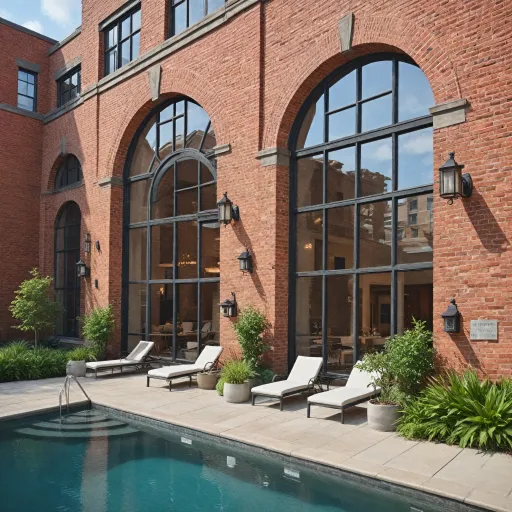
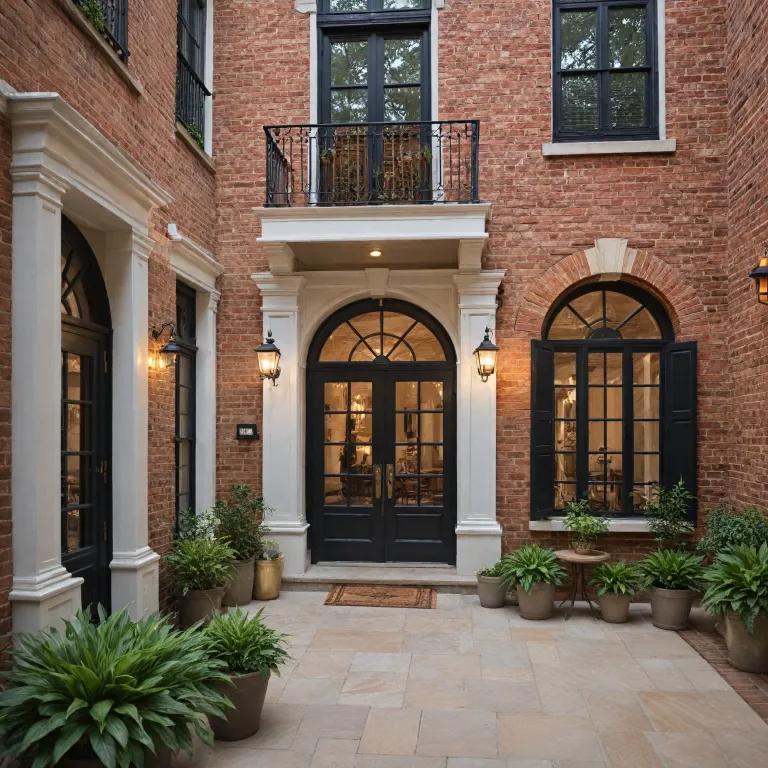
The architectural language of kimpton lorien mediates between the brick facades of old town Alexandria and the institutional gravitas of nearby Washington. The hotel’s massing respects the scale of King Street, while interior spaces reinterpret classic lines with lighter, more transparent partitions. This approach allows the hotel Alexandria property to feel both anchored in Alexandria Virginia and visually connected to the broader Washington metropolitan narrative.
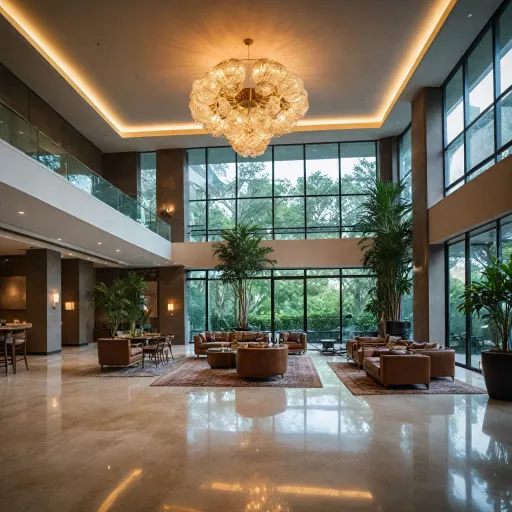
For designers, the challenge lies in aligning the guest room experience with the streetscape outside, especially along King Street and adjacent lanes. The hotel’s public space sequence, from street to lobby to tasting room and spa Alexandria facilities, must feel intuitive for guests arriving from Alexandria United transit links or from further across the United States. Circulation is therefore treated as a storytelling device, guiding guests from the bustle of town Alexandria into the quieter, layered interiors of the boutique hotel.
Architectural detailing also responds to the expectations of a hotel spa clientele, who seek both urban energy and restorative calm. Fenestration, acoustic separation, and lighting strategies ensure that rooms facing King Street still deliver a tranquil guest room environment. At the same time, the event space volumes are calibrated to host corporate and social functions without overwhelming the more intimate hotel town character that defines kimpton lorien among Alexandria hotel competitors.
The interior design story of kimpton lorien is inseparable from the influence of Vicente Wolf, whose work has helped define the hotel’s aesthetic evolution. His approach balances clean lines with tactile comfort, ensuring that each guest room feels both edited and warm. In practice, this means a restrained palette that allows views over Alexandria Virginia and old town streets to become part of the composition.
For hospitality designers, the project demonstrates how a strong design author can coexist with brand standards from Kimpton and expectations from partners such as Archer Hotel Collection. The rooms and suites avoid formulaic layouts, instead using subtle shifts in furniture placement to respond to the building’s structural grid and the irregularities of a historic town. This flexibility is crucial when working with existing hotels in dense urban fabrics, where no two rooms are exactly alike.
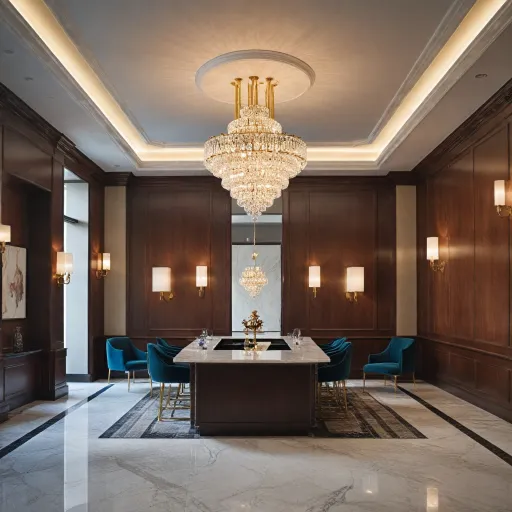
Public interiors, including the tasting room and spa Alexandria reception, extend the same language into shared space. Here, the designer’s task is to maintain coherence between hotel spa zones, F&B areas, and event space while allowing each function to express its own mood. The result is a boutique hotel that feels curated rather than themed, giving architects, FF&E suppliers, and investors a clear example of how design authorship can enhance the long term value of an Alexandria hotel asset.
The FF&E program at kimpton lorien illustrates how a boutique hotel can use targeted investment to extend lifecycle and protect brand equity. With 107 rooms, the property sits at a scale where each guest room decision has measurable impact on operating costs and guest reviews. Durable finishes, modular casegoods, and easily refreshed soft goods help the hotel and spa maintain a fresh appearance between major renovation cycles.
For asset managers, the phased redesigns at the lorien hotel show how capital can be allocated to high visibility zones first, such as the lobby, tasting room, and spa, before cascading into back of house. This sequencing supports revenue generation while minimizing disruption to hotel Alexandria operations and maintaining occupancy levels. Suppliers of FF&E can study how the hotel balances custom pieces with standardized items to control lead times and replacement logistics across all rooms.
Operationally, the integration of spa Alexandria services, event space, and F&B within a compact footprint requires furniture that adapts quickly to changing demand. Stackable seating, mobile partitions, and flexible lighting rigs allow the hotel town property to host corporate meetings by day and social events by night. This agility supports higher revenue per square metre, reinforcing kimpton lorien’s position among top boutique hotels in Alexandria United and the wider United States market.
Kimpton lorien’s event space, tasting room, and spa form an interconnected revenue ecosystem that extends beyond traditional room sales. The hotel spa offering attracts both in house guests and local residents from town Alexandria, creating a steady base of demand even in softer shoulder periods. For technical directors and investors, this diversification reduces reliance on transient hotel bookings and stabilizes cash flow.
The tasting room concept leverages Alexandria hotel foot traffic and the walkable nature of King Street, encouraging guests to share experiences and reviews that highlight both cuisine and design. By positioning the tasting room as a neighborhood venue rather than a closed hotel restaurant, the property strengthens its identity as a true boutique hotel within Alexandria Virginia. This strategy also supports cross selling, as spa clients and event attendees are gently funneled toward F&B and room bookings.
Meeting planners value the scale and flexibility of the event space, which can host corporate sessions linked to Washington institutions while still feeling rooted in old town Alexandria. The proximity to George Washington landmarks and the broader Washington region adds narrative depth for incentive programs and executive retreats. For reference on similar integrated renovation strategies in coastal contexts, professionals can review in depth beach hotel renovation case studies for industry leaders, then compare those approaches with the urban constraints at kimpton lorien.
In the digital arena, kimpton lorien operates at the intersection of brand storytelling, guest reviews, and legal clarity around rights reserved. The hotel’s online presence must articulate its position as a boutique hotel spa in old town Alexandria while aligning with broader Kimpton and Archer Hotel Collection narratives. Clear imagery of rooms, spa Alexandria facilities, and event space helps potential guests understand the scale and character of the property.
From a brand management perspective, the way guests share experiences and follow the hotel on social channels directly influences perception among architects, investors, and FF&E suppliers. Positive reviews that reference the hotel’s location on King Street, proximity to George Washington heritage sites, and connection to Washington institutions reinforce its status among top hotels in Alexandria United. At the same time, transparent communication about policies, intellectual property, and rights reserved protects both the operator and design collaborators.
For professionals studying kimpton lorien, the digital footprint offers insight into how a hotel town asset can maintain authenticity while operating within a larger corporate ecosystem. The interplay between the lorien hotel identity, the broader Kimpton brand, and associations with archer hotel properties across the United States demonstrates the complexity of contemporary hospitality branding. “Kimpton Lorien Hotel & Spa is a luxury boutique hotel in Old Town Alexandria, Virginia, offering modern amenities and services.”
Kimpton Lorien Hotel & Spa opened in mid February, adding a contemporary boutique hotel option to old town Alexandria’s historic fabric. Since then, the hotel and spa have operated continuously, refining their offer through successive renovation programs. This operational continuity gives architects and investors a rare longitudinal view of how design decisions age in a competitive United States market.
The hotel offers a full service spa, a fitness center, two distinct restaurants including a tasting room style venue, and flexible meeting and event space. These amenities position kimpton lorien as both a neighborhood hub for town Alexandria residents and a destination for Washington area travelers. For design teams, the mix of hotel spa, F&B, and events illustrates how to program limited urban space for maximum experiential density.
Yes, kimpton lorien has completed multiple renovation phases, including a multimillion dollar redesign that refreshed rooms, public space, and spa facilities. A later capital program further upgraded FF&E, finishes, and back of house systems to meet current guest expectations. These cycles show how a boutique hotel can remain competitive among Alexandria hotel peers through disciplined, data informed renovation planning.
The location on King Street in old town Alexandria requires a careful balance between heritage sensitivity and contemporary comfort. Facade treatments, signage, and street level space must respect the historic streetscape, while interiors respond to the needs of today’s hotel and spa guests. This tension shapes everything from guest room window treatments to the acoustic design of event space facing the street.
Other hotels can study how kimpton lorien uses durable core pieces and easily replaceable soft goods to manage lifecycle costs. By standardizing certain elements across rooms while allowing localized customization, the hotel maintains a boutique feel without sacrificing operational efficiency. This approach is particularly relevant for properties in the United States that operate under multi brand portfolios, where FF&E decisions must align with both brand standards and local identity.
Summarize with