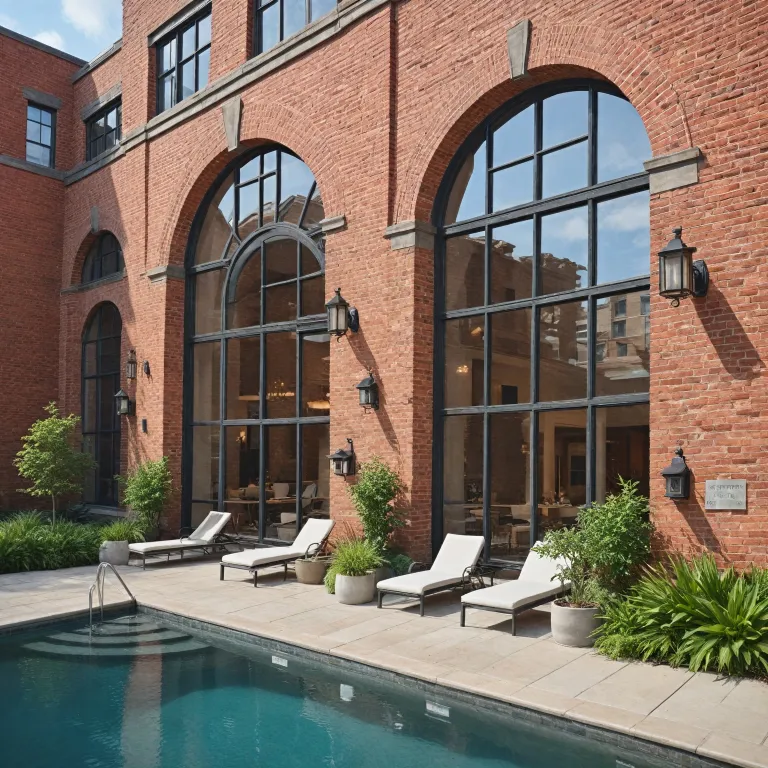
Adaptive reuse of the Richardson Olmsted Complex: a model for urban resort transformation
The adaptive reuse of the Richardson Olmsted Complex into the hotel henry urban resort buffalo stands as a benchmark for hospitality architecture. Originally designed by Henry Hobson Richardson, the complex was once the Buffalo State Asylum for the Insane. Its transformation into a hotel and urban resort required a nuanced approach to preservation, blending historic integrity with contemporary needs. The project’s success lies in its ability to maintain the iconic Richardsonian Romanesque style while integrating modern amenities essential for today’s guests. The result is a unique hotel buffalo experience that respects the past and serves the present. The campus, set within the lush landscape designed by Frederick Law Olmsted, offers guests a rare opportunity to stay in a historic setting with access to modern comforts. The challenge for architects and designers was to ensure that every guest room and suite reflected the original character while providing the amenities expected in a luxury urban resort. The hotel’s proximity to delaware park and the renowned buffalo olmsted parks system further enhances its appeal, making it a destination for those looking to explore buffalo’s rich architectural and cultural heritage. The adaptive reuse process involved close collaboration between the Richardson Center Corporation, hospitality management companies, and local government agencies. This partnership ensured that the historic value of the richardson olmsted campus was preserved, while the hotel henry urban resort buffalo could offer a full suite of amenities, including conference center facilities, event spaces, and access to the adjacent golf course. The integration of these elements has positioned the property as a leading example of how historic sites can be revitalized for modern hospitality use.
Designing for heritage and hospitality: balancing preservation with modern amenities
Designing the hotel henry urban resort buffalo required a delicate balance between preserving the historic fabric of the richardson olmsted complex and delivering the modern amenities demanded by today’s travelers. The original structure, with its robust masonry and soaring towers, presented both opportunities and challenges for the design team. Every guest room and suite was carefully planned to maximize natural light and highlight original architectural features, such as exposed brick and intricate woodwork. The inclusion of modern amenities, from high-speed internet to luxurious bathrooms, was achieved without compromising the building’s historic character. The hotel’s public spaces, including the conference center and event venues, were designed to accommodate a range of functions, from corporate meetings to weddings. These spaces offer flexibility while maintaining a strong sense of place, rooted in the rich history of the buffalo richardson campus. The design process also considered the needs of asset managers and investors, ensuring that the property could operate efficiently and appeal to a broad market. The integration of sustainable materials and energy-efficient systems further enhanced the hotel’s appeal, aligning with contemporary expectations for responsible hospitality. The result is a property that allows guests to enjoy the unique ambiance of a historic urban resort while benefiting from the comforts and conveniences of a modern hotel. For those seeking to explore buffalo, the hotel serves as a gateway to the city’s vibrant cultural scene and the expansive olmsted campus. For more insights on heritage hospitality design, visit this resource on adaptive reuse in hospitality.
FF&E strategies for historic hotels: sourcing, specification, and installation at Hotel Henry
Furnishings, fixtures, and equipment (FF&E) play a critical role in the success of the hotel henry urban resort buffalo. The selection and specification of FF&E required a deep understanding of both the historic context and the operational needs of a modern urban resort. Sourcing materials that complemented the richardson olmsted architecture while meeting contemporary standards for durability and comfort was a complex process. Suppliers and designers worked closely to ensure that every piece, from guest room furniture to conference center lighting, was both functional and aesthetically appropriate. Installation presented its own set of challenges, particularly in spaces with unique architectural features or preservation requirements. The hotel’s rooms and suites were outfitted with custom-designed furnishings that reflect the property’s heritage while providing the amenities expected by today’s guests. The integration of technology, such as smart room controls and energy-efficient lighting, was seamlessly achieved without detracting from the historic ambiance. Asset managers and investors benefited from a strategic approach to FF&E procurement, balancing cost, quality, and long-term maintenance considerations. The result is a cohesive guest experience that allows visitors to enjoy the best of both worlds: the charm of a historic hotel and the convenience of modern amenities. For a deeper dive into FF&E best practices in heritage hospitality, explore this comprehensive guide to FF&E in historic hotels.
Event spaces and conference center: reimagining communal areas for modern use
The conference center and event spaces at the hotel henry urban resort buffalo exemplify the potential of adaptive reuse in hospitality. These communal areas were designed to accommodate a wide range of events, from corporate conferences to private celebrations. The original layout of the richardson olmsted complex provided generous volumes and distinctive architectural details, which were preserved and enhanced during the renovation. Modern amenities, such as advanced audiovisual systems and flexible seating arrangements, were integrated to meet the needs of today’s event planners. The conference center’s proximity to guest rooms and suites allows for seamless transitions between meetings and accommodations, enhancing the overall guest experience. The hotel’s location on the olmsted campus, adjacent to delaware park and the buffalo golf course, offers unique opportunities for outdoor events and team-building activities. The design team prioritized accessibility and functionality, ensuring that all communal spaces are welcoming and adaptable. The result is a set of event venues that combine historic character with state-of-the-art amenities, making the hotel a preferred choice for conferences and special events in buffalo. For those interested in hosting events at a property that blends history with modern luxury, the hotel henry urban resort buffalo offers an unparalleled setting.
Enhancing the guest experience: amenities, golf, and the Olmsted campus
The guest experience at the hotel henry urban resort buffalo is defined by a thoughtful blend of historic ambiance and modern amenities. Guests can enjoy spacious rooms and suites that showcase original architectural details while offering contemporary comforts. The property’s amenities include a fitness center, on-site dining, and access to the adjacent golf course, providing a range of options for relaxation and recreation. The hotel’s location within the buffalo olmsted parks system allows guests to explore buffalo’s natural beauty, with walking trails, gardens, and outdoor spaces just steps from their rooms. The integration of the hotel with the olmsted campus creates a seamless connection between indoor and outdoor experiences, enhancing the overall sense of place. The resort buffalo concept is further reinforced by the availability of wellness services, curated events, and personalized guest services. The hotel’s commitment to accessibility ensures that all guests, regardless of mobility, can fully enjoy the property and its amenities. The combination of historic charm, modern amenities, and a prime location makes the hotel henry urban resort buffalo a standout destination for travelers seeking a unique stay in buffalo. Whether booking a weekend getaway or a longer stay, guests are invited to explore buffalo, enjoy the golf course, and immerse themselves in the rich history of the richardson olmsted campus.
Operational excellence and stakeholder collaboration: lessons from Hotel Henry’s transformation
The transformation of the hotel henry urban resort buffalo is a testament to the power of collaboration among architects, designers, asset managers, and hospitality operators. The project’s success depended on the effective coordination of multiple stakeholders, including the Richardson Center Corporation, local government agencies, and hospitality management companies. The use of historic preservation techniques, combined with modern hospitality management practices, ensured that the property could operate efficiently while maintaining its unique character. Marketing and rebranding strategies played a crucial role in positioning the hotel as a premier urban resort and conference center. The reopening of the property as the richardson hotel marked a new chapter in the ongoing evolution of the richardson olmsted complex. As stated in the dataset, "The Richardson Olmsted Complex is a National Historic Landmark in Buffalo, New York, originally built as the Buffalo State Asylum for the Insane in the late 19th century." This recognition underscores the importance of preserving and repurposing historic sites for contemporary use. The hotel’s operational model serves as a blueprint for similar projects, demonstrating how historic properties can be revitalized to meet the needs of today’s travelers. The lessons learned from the hotel henry urban resort buffalo are valuable for professionals across the hospitality industry, from architects and designers to investors and FF&E suppliers. The property’s ongoing success highlights the enduring appeal of heritage hospitality and the potential for adaptive reuse to drive innovation and growth in the sector.
Key statistics: Hotel Henry Urban Resort Buffalo
- Original construction year of the complex: 1880
- Number of guest rooms in Hotel Henry: 88 rooms
- Year Hotel Henry closed: 2021
Frequently asked questions about Hotel Henry Urban Resort Buffalo
What is the Richardson Olmsted Complex?
The Richardson Olmsted Complex is a National Historic Landmark in Buffalo, New York, originally built as the Buffalo State Asylum for the Insane in the late 19th century.
Why did Hotel Henry close?
Hotel Henry closed in February 2021 due to financial challenges exacerbated by the COVID-19 pandemic.
What is The Richardson Hotel?
The Richardson Hotel is the new hotel that opened in 2023 within the Richardson Olmsted Complex, replacing the former Hotel Henry.