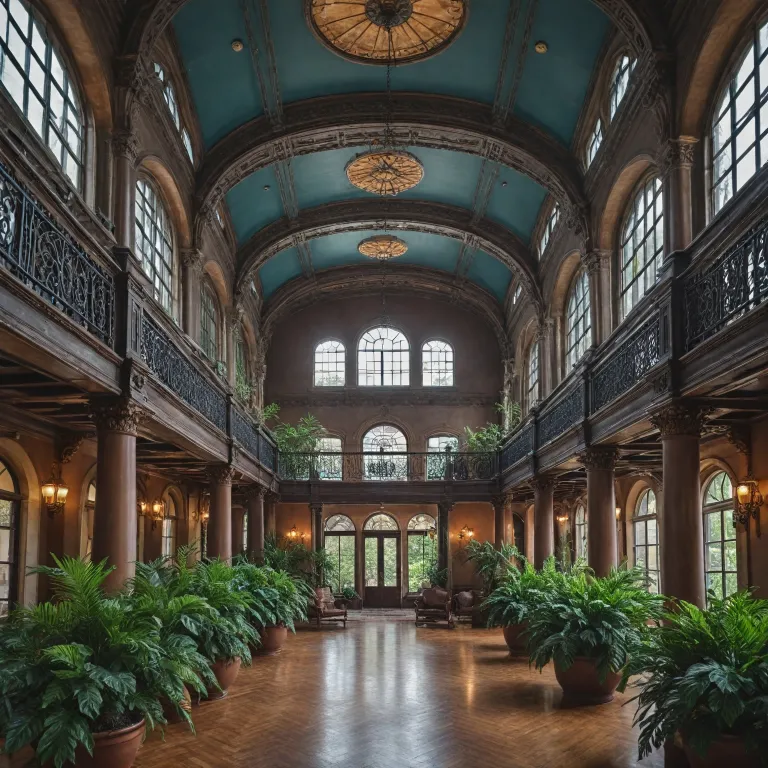
Adaptive reuse at hotel henry urban: transforming the richardson olmsted complex
Hotel henry urban stands as a remarkable example of adaptive reuse in the hospitality industry. The hotel, located in Buffalo within the historic richardson olmsted complex, demonstrates how heritage architecture can be revitalized for contemporary use. Originally the buffalo state asylum for the insane, designed by Henry Hobson Richardson, the site’s transformation into a luxury hotel and urban resort conference center is a testament to visionary design and technical expertise.
Deborah Berke Partners, the architectural firm behind the project, balanced preservation with innovation. The hotel’s 88 rooms, including king bed and double beds configurations, are thoughtfully integrated into the original structure. Each room offers modern amenities while retaining the building’s historic character, providing guests with a unique blend of past and present. The restoration process required advanced FF&E strategies, ensuring that every bed, piece of furniture, and service element respected both the heritage and the needs of today’s travelers.
The hotel henry urban resort conference center also features over 20,000 square feet of meeting and event space, making it a premier destination for conferences in Erie County and across New York State. This adaptive reuse project not only preserves a significant landmark but also contributes to the economic and cultural vitality of Buffalo. Asset managers, designers, and investors can draw valuable lessons from the project’s approach to availability, booking, and service excellence in historic hotels.
Designing for heritage: balancing modern comfort and historic integrity
Designing hotel henry urban required a nuanced approach to FF&E and interior architecture. The challenge was to provide guests with the comfort expected from a modern hotel while honoring the rich history of the richardson olmsted complex. Each room, whether featuring a king bed or double beds, was designed to maximize natural light and views of the olmsted campus and surrounding golf course. This careful planning enhances the guest experience and supports the hotel’s reputation as a leading urban resort.
FF&E suppliers and design teams collaborated closely to select materials and furnishings that complemented the original masonry and woodwork. The result is a harmonious blend of old and new, where every detail—from the bed linens to the lighting fixtures—reflects both luxury and respect for the building’s origins. The hotel’s public spaces, including the conference center and inn suites, are equally impressive, offering flexible layouts for events of all sizes.
For technical directors and asset managers, the project highlights the importance of integrating modern building systems without compromising historic fabric. The hotel henry urban’s success demonstrates that with careful planning and expert execution, hotels based in heritage sites can achieve both operational efficiency and guest satisfaction. For further insights into adaptive reuse in hospitality, explore this comprehensive resource on historic hotel renovation strategies.
FF&E procurement and logistics: meeting the demands of a unique site
FF&E procurement for hotel henry urban presented unique logistical challenges. The building’s historic layout required custom solutions for room configurations, including king bed and double beds options. Suppliers needed to ensure that all furniture and fixtures could be delivered and installed without damaging the original structure. This required detailed planning and close coordination with the restoration team.
Availability and booking systems were also tailored to the hotel’s unique layout. With 88 rooms spread across the richardson olmsted complex, real-time room availability and service requests had to be managed efficiently. The hotel’s management system was designed to provide seamless service, from booking to check-out, ensuring that guests enjoy a smooth and memorable stay.
FF&E providers learned valuable lessons about flexibility and adaptability. The experience at hotel henry urban shows that successful procurement in heritage hotels requires not only technical expertise but also a deep appreciation for the site’s history. For more on FF&E logistics in historic hotels, see this detailed guide on FF&E management for adaptive reuse projects.
Operational excellence: service, availability, and guest experience
Operational excellence at hotel henry urban is rooted in a commitment to service and guest satisfaction. The hotel’s team, based in Buffalo, ensures that every guest receives personalized attention, whether booking a king bed room or a suite with double beds. Real-time availability updates and efficient booking processes are essential for maintaining high occupancy rates and positive guest reviews.
The hotel’s location within the richardson olmsted complex offers guests access to the olmsted campus, golf course, and nearby attractions like the buffalo olmsted parks and buffalo state. This enhances the overall guest experience and positions the hotel as a premier urban resort in Erie County and New York State. The conference center and resort conference facilities are equipped to host events of all sizes, attracting business travelers and event planners from across the United States.
Service excellence is supported by ongoing training and investment in hospitality technology. The hotel’s management team leverages data on room availability, guest preferences, and service requests to deliver a consistently high standard of care.
Economic and community impact: revitalizing buffalo through hospitality
The transformation of hotel henry urban has had a significant economic and community impact in Buffalo and Erie County. The project’s initial investment of 69 million USD generated jobs and stimulated local businesses, from FF&E suppliers to service providers. The hotel’s reopening as a Hilton property is expected to further boost tourism and economic activity in the region.
By preserving the richardson olmsted complex, the hotel contributes to Buffalo’s cultural heritage and urban renewal. The site’s proximity to attractions like the buffalo olmsted parks, buffalo state, and the Elmwood Village makes it a hub for visitors and residents alike. The hotel’s conference center and resort conference facilities attract events and conferences, bringing new business to the city and supporting the local economy.
The project serves as a model for asset managers, investors, and designers seeking to balance profitability with social responsibility. The success of hotel henry urban demonstrates that historic hotels can play a vital role in urban regeneration, offering both economic returns and cultural value to their communities.
Lessons for architects, designers, and asset managers: best practices from hotel henry urban
Hotel henry urban offers valuable lessons for architects, designers, and asset managers involved in the renovation of historic hotels. The project’s success is rooted in a collaborative approach, bringing together experts in architecture, FF&E, and hospitality management. The use of adaptive reuse methods and modern amenities within the richardson olmsted complex sets a benchmark for future projects.
Asset managers and investors can learn from the hotel’s approach to risk management, service delivery, and guest experience. The integration of availability and booking systems tailored to the site’s unique layout ensures operational efficiency and guest satisfaction. The project also highlights the importance of partnerships with organizations like the Richardson Center Development Corporation and Hilton Hotels, which provide expertise and resources for large-scale renovations.
As one expert noted, "Hotel Henry was originally the Buffalo State Asylum for the Insane, designed by architect Henry Hobson Richardson in the late 1800s." This historical context underscores the importance of respecting heritage while embracing innovation. The lessons from hotel henry urban are relevant for professionals across the hospitality industry, from FF&E suppliers to technical directors and investors.
Key statistics: hotel henry urban and the richardson olmsted complex
- Initial investment in hotel henry urban: 69 million USD
- Number of guest rooms: 88 rooms
- Total meeting space: 20,000 square feet
Frequently asked questions about hotel henry urban and its transformation
What was Hotel Henry before it became a hotel?
Hotel Henry was originally the Buffalo State Asylum for the Insane, designed by architect Henry Hobson Richardson in the late 1800s.
Why did Hotel Henry close in 2021?
Hotel Henry closed on February 27, 2021, due to operational challenges and decreased business caused by the COVID-19 pandemic.
When is the hotel expected to reopen?
The property is set to reopen as a Hilton hotel, with the exact date to be confirmed. It's advisable to check the official Hilton website for the latest information.
What are some nearby attractions to hotel henry urban?
Nearby attractions include the Elmwood Village, Albright-Knox Art Gallery, Buffalo History Museum, and the buffalo olmsted parks system.
How does the hotel balance historic preservation with modern amenities?
The hotel integrates modern FF&E and hospitality systems within the historic structure, ensuring guest comfort while preserving architectural integrity.