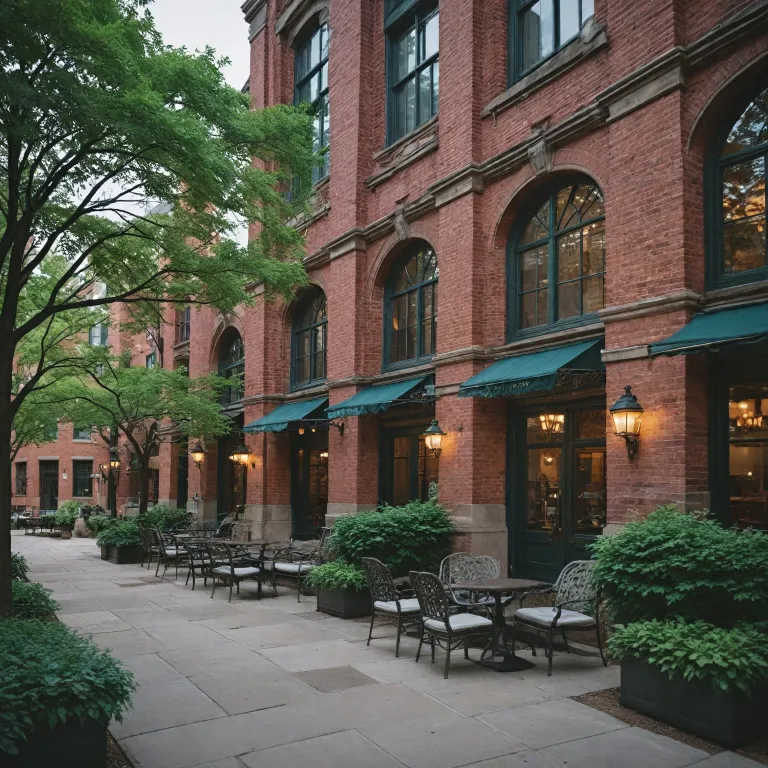
Reimagining heritage: adaptive reuse at the heart of henry urban resort
The transformation of the Richardson Olmsted Complex into the henry urban resort stands as a benchmark in adaptive reuse for the hospitality industry. This project, situated in Buffalo, United States, exemplifies how historic architecture can be preserved while integrating contemporary amenities and design. The hotel, once known as hotel henry, was housed within the iconic richardson olmsted complex, originally designed by Henry Hobson Richardson and landscaped by Frederick Law Olmsted. The adaptive reuse approach not only honored the site’s architectural legacy but also introduced a new standard for urban resort experiences in Buffalo. The integration of modern FF&E within the historic framework required meticulous planning and collaboration among architects, designers, and technical directors. The result was a seamless blend of old and new, where original brickwork and soaring ceilings coexisted with state-of-the-art air conditioning, conference facilities, and luxury rooms. Asset managers and investors recognized the value in preserving the rich history of the site while offering guests a unique stay in the heart of Buffalo. The project’s proximity to delaware park, buffalo zoo, and the olmsted campus further enhanced its appeal as an urban resort destination, attracting both leisure and business travelers.Designing for experience: FF&E and guest-centric amenities at henry urban resort
At the core of the henry urban resort’s success was its commitment to guest experience through thoughtful FF&E selection and amenity integration. The hotel’s 88 rooms were designed to maximize comfort and functionality, featuring bespoke furnishings that respected the building’s historic character. Modern amenities such as advanced air conditioning systems, high-speed connectivity, and luxurious bathrooms elevated the guest experience, setting a new benchmark for hotel buffalo standards. The resort’s public spaces, including the bar and conference center, were crafted to foster social interaction and professional gatherings. The conference center buffalo offered state-of-the-art event technology, making it a preferred venue for resort conference events and corporate meetings. The inclusion of a golf course nearby and easy access to buffalo olmsted parks provided guests with free recreational options, further enhancing the urban resort’s value proposition. For asset managers and FF&E suppliers, the project demonstrated the importance of aligning design, functionality, and operational efficiency in hospitality renovation. Explore innovative FF&E solutions for historic hotels to see how similar projects are redefining guest experiences in the united states.Operational excellence: technology and management at hotel henry urban resort
Operational efficiency was a cornerstone of the henry urban resort’s approach, leveraging advanced property management systems and event technology. The use of Maestro’s Property Management System enabled seamless check-in and check-out processes, efficient room allocation, and real-time guest service management. This technological backbone supported the hotel’s ability to deliver consistent, high-quality service across its 88 rooms and multiple event spaces. The conference center’s transformational event technology allowed for flexible configurations, accommodating everything from intimate board meetings to large-scale conferences. This adaptability was crucial for attracting diverse clientele, from local businesses to international organizations seeking a unique venue in Buffalo. The integration of modern amenities within the historic setting, including air conditioning and high-speed internet, ensured that guests enjoyed both comfort and connectivity during their stay. The operational model at hotel henry urban resort became a reference point for other richardson hotels and urban resorts in the united states. Learn more about technology-driven hospitality management and its impact on guest satisfaction and operational performance.Challenges and resilience: navigating the pandemic at henry urban resort
The hospitality industry faced unprecedented challenges during the COVID-19 pandemic, and the henry urban resort was no exception. The hotel experienced a 75 percent revenue loss in 2020, a statistic that underscores the vulnerability of even the most innovative urban resorts. Despite its strong design, amenities, and operational model, the decline in business travel and events led to significant operational challenges for hotel henry and its partners. The closure of the resort conference center and hotel buffalo marked the loss of a significant cultural and architectural landmark in Buffalo. Asset managers and investors were forced to reassess strategies for historic properties, balancing preservation with financial sustainability. The experience highlighted the importance of flexibility in FF&E procurement, adaptive design, and diversified revenue streams for future projects. As the united states hospitality sector recovers, the lessons learned from the richardson olmsted complex and henry urban resort continue to inform best practices in hotel renovation and management. In the words of the dataset: "Hotel Henry closed on February 27, 2021, due to operational challenges and a significant decline in business caused by the COVID-19 pandemic." This real-world example serves as a reminder of the need for resilience and innovation in the face of industry disruptions.Community impact and cultural legacy: the role of henry urban resort in Buffalo
The henry urban resort was more than a hotel; it served as a cultural and social hub for Buffalo united. Its location within the richardson olmsted complex and proximity to buffalo state, delaware park, and the buffalo zoo made it a focal point for community engagement. The resort’s conference center hosted events that brought together local organizations, businesses, and residents, reinforcing its role as a center buffalo landmark. The preservation and adaptive reuse of the historic site contributed to the city’s architectural heritage, inspiring similar projects across the united states. The collaboration between the richardson center development corporation, local designers, and FF&E suppliers demonstrated the value of public-private partnerships in revitalizing urban spaces. The legacy of the hotel henry urban resort endures through its impact on Buffalo’s tourism, cultural life, and architectural preservation efforts. For those seeking to understand the intersection of hospitality, design, and community, the story of the henry urban resort offers valuable insights. The project’s emphasis on free public spaces, integration with buffalo olmsted parks, and commitment to historic preservation set a precedent for future urban resort developments.Future perspectives: lessons from henry urban resort for hospitality architecture and renovation
The experience of the henry urban resort provides a roadmap for architects, designers, and asset managers navigating the complexities of historic hotel renovation. Key takeaways include the importance of adaptive reuse, the integration of modern amenities such as air conditioning and advanced FF&E, and the need for flexible operational models. The project’s success in blending richardson architecture with contemporary urban resort features has influenced new developments in Buffalo and beyond. As the hospitality industry evolves, the demand for unique stay experiences, conference facilities, and sustainable design continues to grow. The lessons from hotel henry, hotel buffalo, and other richardson hotels underscore the value of innovation, collaboration, and community engagement. For investors and suppliers, the project highlights the potential of historic properties to generate long-term value when managed with vision and expertise. The ongoing search for new tenants at the richardson olmsted complex reflects the enduring appeal of the site and the opportunities it presents for future hospitality ventures. The story of the henry urban resort remains a touchstone for those committed to excellence in hotel design, renovation, and urban resort management.Key statistics: henry urban resort and the richardson olmsted complex
- Revenue loss in 2020 due to COVID-19: 75 percent
- Number of guest rooms at hotel henry: 88 rooms
- Total project value for hotel henry's development: 52.7 million USD
Frequently asked questions about henry urban resort and its legacy
What was Hotel Henry?
Hotel Henry was a luxury hotel and conference center located in Buffalo, New York, operating from 2017 to 2021 within the historic Richardson Olmsted Complex.
Why did Hotel Henry close?
Hotel Henry closed on February 27, 2021, due to operational challenges and a significant decline in business caused by the COVID-19 pandemic.
What is the Richardson Olmsted Complex?
The Richardson Olmsted Complex is a National Historic Landmark in Buffalo, New York, originally designed as the Buffalo State Asylum for the Insane by architect Henry Hobson Richardson and landscape designer Frederick Law Olmsted.
Are there plans to reopen Hotel Henry?
As of February 2026, there are no publicized plans to reopen Hotel Henry. The Richardson Center Development Corporation is seeking new tenants for the space.
What other attractions are near the former Hotel Henry location?
Nearby attractions include the Albright-Knox Art Gallery, Buffalo History Museum, and Delaware Park, all offering cultural and recreational experiences in Buffalo.
References: WKBW, Hotel Online, Arc Building Partners