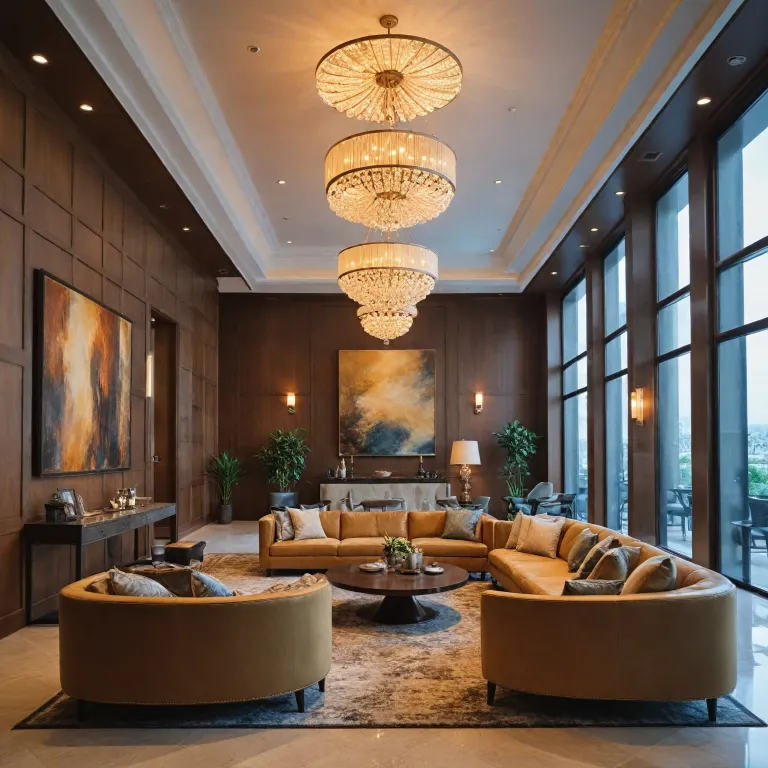
Integrating architecture of interiors with adaptive reuse in hospitality spaces
Adaptive reuse has become a defining principle in the architecture of interiors, especially within the hospitality sector. Architects and interior designers are increasingly tasked with transforming historic buildings into vibrant hotels, restaurants, and lounges, balancing the preservation of architectural heritage with the demands of modern design construction. This approach not only conserves resources but also creates interior spaces that are both sustainable and aesthetically pleasing. The difference interior architects bring to adaptive reuse projects lies in their ability to reimagine structural layouts, optimize spatial flow, and respect building codes while enhancing the guest experience.
Adaptive reuse projects require a nuanced understanding of the built environment and the interplay between architecture, interior design, and construction. Interior architects and designers must collaborate closely with asset managers, FF&E suppliers, and technical directors to ensure that every element—from furniture to lighting—complements the building interiors. The integration of contemporary art with historical settings, as seen in Charles Zana’s recent exhibition, exemplifies how interior architecture can evoke emotion and create unique atmospheres. Designers and architects must also consider the program and function of each space, ensuring that interiors are not only visually compelling but also operationally efficient. The synergy between adaptive reuse, sustainable practices, and innovative design construction is shaping the future of hospitality interiors, making it essential for professionals to stay informed and agile in their approach.
Material innovation and craftsmanship in interior architecture design
Material selection plays a pivotal role in the architecture of interiors, particularly in hospitality projects where durability, aesthetics, and sustainability converge. Interior designers and architects are leveraging innovative materials such as lacquer, ceramic, and pewter, as well as luxurious textiles like Pierre Frey’s mohair, to craft building interiors that are both functional and visually striking. The choice of materials directly impacts the ambiance of interior spaces, influencing how guests perceive and interact with their environment.
Collaboration with artisans and suppliers is essential for achieving bespoke results in design construction. Interior architects work closely with FF&E providers to source unique pieces that align with the architectural vision and meet the rigorous standards of hospitality spaces. The integration of sculptural lighting, inspired by figures like Ettore Sottsass, demonstrates how lighting design can transform the mood and character of interior spaces. Designers and architects must also navigate building codes and regulations, ensuring that all materials and finishes comply with safety and sustainability requirements.
For professionals interested in the intersection of craftsmanship and innovation, the comprehensive guide to FF&E procurement provides practical strategies for sourcing and specifying materials that elevate the architecture of interiors. By prioritizing quality, sustainability, and design integrity, architects and designers can create spaces that stand the test of time and delight guests.
Emotional engagement through fantasy interiors and spatial storytelling
The architecture of interiors in hospitality extends beyond functionality to embrace emotional engagement and narrative. Designers and architects are increasingly focused on creating fantasy interiors that transport guests into immersive worlds, blending contemporary and historical elements to evoke powerful emotional responses. As Charles Zana’s exhibition demonstrates, curating a dialogue between contemporary art and historical artifacts can transform a building interior into a living gallery, enriching the guest experience.
Spatial storytelling is a key differentiator for interior architects and designers working in hospitality. By carefully orchestrating the flow of spaces, manipulating light, and selecting evocative materials, professionals can craft interiors that resonate with guests on a sensory and emotional level. The architecture focuses not only on the visual impact but also on the tactile and auditory qualities of interior spaces, ensuring a holistic experience. The program of each space—whether a lobby, restaurant, or guest room—must be thoughtfully considered to support both operational needs and guest delight.
For those seeking inspiration in spatial storytelling, the portfolio of leading hospitality designers showcases exemplary projects where architecture interior and design interior converge to create memorable environments. Interior designers and architects who master the art of emotional engagement will continue to set new benchmarks in the built environment.
Collaboration and multidisciplinary approaches in interior design construction
Successful architecture of interiors in hospitality relies on seamless collaboration among architects, interior designers, structural engineers, FF&E suppliers, and asset managers. Multidisciplinary teams bring diverse expertise to the table, enabling holistic solutions that address both aesthetic and technical challenges. The difference interior architects make is evident in their ability to mediate between design vision and practical constraints, ensuring that every aspect of the building interior aligns with the project’s goals.
Effective collaboration begins with a clear understanding of the program and requirements for each space. Designers and architects must engage stakeholders early in the process, from concept development to construction and fit-out. This approach fosters innovation, streamlines decision-making, and mitigates risks associated with complex hospitality projects. Interior architects and designers also play a critical role in coordinating with FF&E suppliers to ensure timely delivery and installation of furnishings, lighting, and accessories.
Building codes and regulatory compliance are integral to the design construction process. Interior architects must stay abreast of evolving standards to guarantee the safety, accessibility, and sustainability of interior spaces. By fostering a culture of collaboration and continuous learning, professionals can navigate the complexities of the built environment and deliver projects that exceed client and guest expectations.
Sustainable strategies for building interiors and adaptive reuse
Sustainability is at the forefront of architecture of interiors, particularly in the context of adaptive reuse and renovation. Architects and interior designers are adopting strategies that minimize environmental impact, such as repurposing existing structures, selecting eco-friendly materials, and optimizing energy efficiency. The integration of sustainable practices into design construction not only reduces the carbon footprint of hospitality projects but also enhances the long-term value of building interiors.
Adaptive reuse projects present unique opportunities for sustainable innovation. By retaining structural elements and reimagining interior spaces, designers and architects can preserve cultural heritage while meeting contemporary standards for comfort and performance. The use of renewable materials, efficient lighting systems, and smart building technologies further contributes to the sustainability of interior architecture. Interior architects and designers must also consider the lifecycle of FF&E, selecting products that are durable, recyclable, and responsibly sourced.
For asset managers and investors, sustainable design is increasingly recognized as a driver of operational efficiency and brand differentiation. Interior designers and architects who prioritize sustainability in their projects are well positioned to meet the evolving expectations of guests and stakeholders in the hospitality industry.
Education, expertise, and the evolving role of interior architects
The architecture of interiors is a dynamic field that demands continuous learning and professional development. Universities and design programs play a critical role in shaping the next generation of interior architects, designers, and construction professionals. Curricula increasingly emphasize interdisciplinary collaboration, adaptive reuse, and sustainable design, reflecting the realities of the built environment and the needs of the hospitality sector.
Interior architects and designers must cultivate a deep understanding of both architectural and interior design principles, as well as technical competencies in structural engineering, building codes, and FF&E specification. The difference interior architects make lies in their ability to bridge the gap between architecture and interior design, delivering spaces that are both functional and aesthetically pleasing. As the industry evolves, professionals must stay informed about emerging trends, technologies, and best practices to maintain their competitive edge.
As Charles Zana is described, "Charles Zana is a renowned interior architect and designer known for his innovative furniture exhibitions and fantasy interiors." This expertise is echoed by other leaders in the field, such as Antonino Cardillo and Martin Brudnizki, whose work exemplifies the highest standards of architecture interior and design interior. By investing in education and professional growth, interior architects and designers can continue to shape the future of hospitality interiors.
Key statistics in architecture of interiors for hospitality
- Number of new furniture pieces displayed: 30 pieces
- Duration of the exhibition: 6 days
Frequently asked questions about architecture of interiors in hospitality
Who is Charles Zana?
Charles Zana is a renowned interior architect and designer known for his innovative furniture exhibitions and fantasy interiors.
What is the 'In Situ' exhibition?
'In Situ' is Charles Zana's furniture exhibition showcasing around 30 new pieces in a historic Parisian apartment, designed to evoke emotional responses through fantasy interior settings.
When and where is the 'In Situ' exhibition held?
The 'In Situ' exhibition is held from October 21 to 26, 2025, in a historic apartment on Rue de Rivoli in Paris.