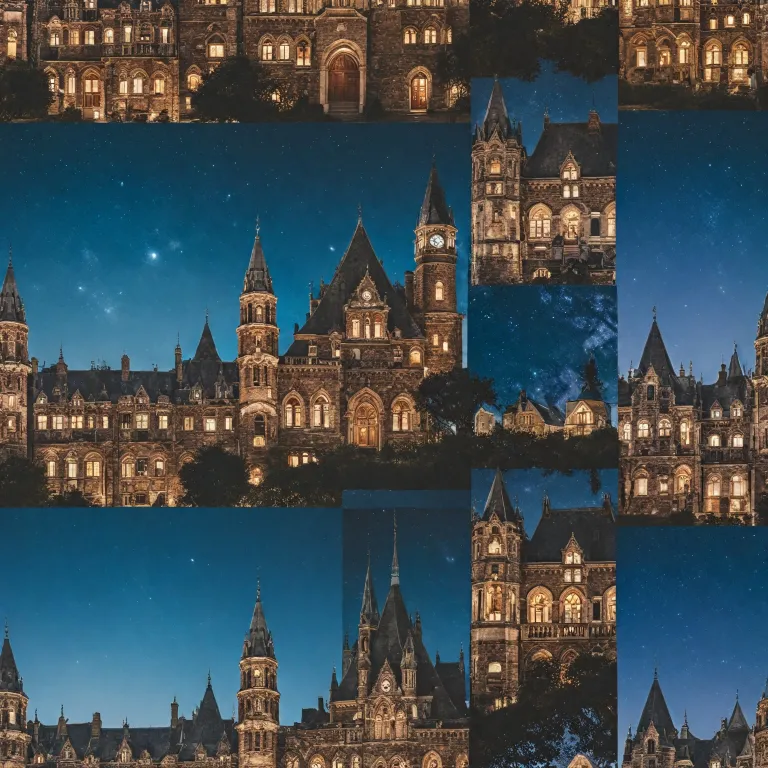
The enduring legacy of famous hotel exterior designs in global architecture
Famous hotel exterior designs have long served as architectural landmarks, reflecting the evolution of design, culture, and technology. Each hotel building tells a unique story, from the ornate facade of the Château Frontenac to the bold, modern silhouette of the Burj Al Arab. These exteriors are more than just visual statements; they embody the values and aspirations of their time, integrating locally sourced materials and attention to detail that captivate both guests and industry professionals. The interplay between historic and modern elements is evident in many renowned hotels. For instance, the Carbide & Carbon Building in Chicago stands as a testament to Art Deco design, while the ICEHOTEL in Sweden redefines the concept of a hotel exterior by reconstructing its facade annually from ice and snow. The use of design architecture in these hotels not only enhances the guest experience but also contributes to the city's identity. The building front, often adorned with stained glass or intricate stonework, invites guests to step into a world where history and innovation coexist. In cities like London, the Dorchester exemplifies how a hotel can become synonymous with luxury and tradition. Its exterior facade, meticulously maintained, offers a view of the city that is both timeless and contemporary. The integration of restaurants bars and a variety of activities within these hotels ensures that the design classic status is preserved for generations. The story hotel concept, where each room and public space narrates a chapter of the hotel's history, further enriches the guest stay.Innovative materials and sustainable practices in hotel exterior design
Modern hotel exterior designs increasingly prioritize sustainability without compromising on aesthetics. The use of locally sourced materials not only reduces environmental impact but also strengthens the connection between the hotel and its surroundings. For example, Shutters on the Beach Hotel in Santa Monica incorporates natural wood and stone, blending seamlessly with the coastal landscape and enhancing the building's harmony with its environment. Sustainable design architecture extends to mixed building and residential building projects, where hotels share space with office buildings and apartments. This approach maximizes urban land use and fosters a vibrant community atmosphere. The ICEHOTEL 365, designed by Hans Eek, is a prime example of innovation, utilizing renewable energy to maintain its ice structure year-round. Such projects demonstrate how attention detail in material selection and construction methods can lead to both environmental and economic benefits. The integration of green roofs, energy-efficient lighting, and advanced insulation techniques is becoming standard in hotel design. These features not only improve the comfort of rooms and public areas but also contribute to the overall sustainability of the building. As asset managers and investors increasingly demand eco-friendly solutions, the hospitality industry responds with creative approaches that balance tradition and modernity. For further insights into sustainable hotel architecture, explore this comprehensive guide to eco-conscious hospitality design at https://www.designfortravel.com/blog/elevating-guest-experience-through-luxury-spa-hotel-architecture-and-design.Historic influences and the evolution of hotel facades
The history of hotel exterior designs is deeply intertwined with the architectural movements of their respective eras. The Château Frontenac, designed by Bruce Price, showcases the Châteauesque style, drawing inspiration from French medieval castles. Its imposing facade and iconic towers have become symbols of Quebec City, attracting guests and architecture enthusiasts alike. "Château Frontenac is designed in the Châteauesque architectural style, inspired by French medieval castles." In contrast, the Beverly Hills Hotel, crafted by Elmer Grey, embodies the glamour of early twentieth-century California, with its pink stucco exterior and lush gardens. The Biltmore Los Angeles, a project by Schultze & Weaver, features a grand building front that merges Beaux-Arts elegance with local influences. These hotels not only provide luxurious rooms and amenities but also serve as cultural touchstones, preserving the stories of their cities through design. The evolution of hotel facades reflects broader trends in architecture and urban development. As cities expand and diversify, hotels adapt by incorporating elements from residential building and office building typologies. This blending of functions creates dynamic spaces where guests can enjoy a variety of activities, from dining in world-class restaurants bars to relaxing in thoughtfully designed hotel lobbies. For a deeper exploration of historic hotel facades, visit our detailed analysis at https://www.designfortravel.com/blog/scandinavian-hotel-design-trends-blending-minimalism-art-and-community-for-modern-hospitality.Modern masterpieces: redefining the hotel exterior in contemporary cities
Contemporary hotel exterior designs push the boundaries of form and function, leveraging cutting-edge materials and technologies. The Burj Al Arab in Dubai, designed by Tom Wright, stands as a beacon of modern architecture, its sail-shaped silhouette dominating the city skyline. "The Burj Al Arab was designed by architect Tom Wright." This iconic hotel exterior not only offers breathtaking views of the city and sea but also sets new standards for luxury and innovation. Frank Gehry's Hotel Marqués de Riscal in Elciego, Spain, exemplifies the fusion of art and architecture. Its undulating titanium facade reflects the surrounding vineyards, creating a dynamic interplay between the building and its environment. Modern hotels often feature expansive glass walls, allowing natural light to flood rooms and public spaces while providing panoramic views city. The use of stained glass and other artistic elements adds a layer of sophistication, transforming the hotel exterior into a living canvas. Attention detail is paramount in these projects, with every aspect of the design carefully considered to enhance the guest experience. The front door, lobby, and exterior facade are designed to make a lasting impression, welcoming guests into a world of comfort and style. Mixed building developments, where hotels coexist with residential and office spaces, are increasingly popular in urban centers, offering guests a unique stay that combines privacy with access to a variety of activities.The role of context and culture in shaping hotel exteriors
Hotel exterior designs are profoundly influenced by their cultural and geographic context. Local traditions, climate, and materials all play a role in determining the appearance and functionality of a hotel building. In regions with rich architectural heritage, such as London, hotels like The Dorchester integrate classic design elements with modern amenities, creating a harmonious blend that appeals to both guests and locals. The use of locally sourced materials not only supports the local economy but also ensures that the hotel design resonates with its surroundings. In cities where space is at a premium, hotels often share their building front with restaurants bars, shops, and offices, creating vibrant mixed building environments. This approach fosters a sense of community and offers guests a variety of activities within walking distance of their rooms. Cultural sensitivity is essential in hotel design, as it allows architects and designers to create spaces that reflect the values and aspirations of the local population. The story hotel concept, where each room and public area tells a unique narrative, is gaining popularity among guests seeking authentic experiences. By embracing the diversity of design architecture, hotels can create memorable stays that leave a lasting impression on visitors.Attention to detail: from facade to front door in hospitality design
The success of famous hotel exterior designs often lies in the meticulous attention detail applied to every aspect of the building. From the grandeur of the facade to the welcoming front door, each element is crafted to enhance the guest experience. Stained glass windows, ornate moldings, and custom lighting fixtures are just a few examples of how design classic features are integrated into hotel exteriors. The hotel lobby serves as the transition between the exterior and the interior, setting the tone for the entire stay. Thoughtful placement of art, furniture, and lighting creates an inviting atmosphere that encourages guests to linger and explore. In many hotels, the view city from the lobby or guest rooms is a key selling point, offering guests a unique perspective on their destination. Asset managers and investors recognize the value of investing in design architecture that prioritizes both aesthetics and functionality. By focusing on the details, hotels can differentiate themselves in a competitive market and attract discerning guests. The integration of modern amenities with historic features ensures that the hotel remains relevant and appealing to a wide range of visitors.Future directions: blending tradition and innovation in hotel exterior design
As the hospitality industry evolves, famous hotel exterior designs continue to set new benchmarks for creativity and excellence. The trend towards blending traditional architectural elements with modern technologies is expected to accelerate, resulting in buildings that are both visually striking and environmentally responsible. The use of smart materials, adaptive facades, and energy-efficient systems will play a central role in shaping the next generation of hotel exteriors. Collaboration between architects, designers, and FF&E suppliers is essential to achieving these goals. By leveraging the expertise of all stakeholders, hotels can create spaces that are not only beautiful but also functional and sustainable. The integration of residential building and office building components into hotel projects will further enhance the versatility and appeal of these properties. Guests increasingly seek unique experiences that go beyond the standard room and amenities. Hotels that offer a variety of activities, from rooftop restaurants bars to immersive cultural programs, will continue to attract attention and set trends in the industry. The story hotel concept, with its emphasis on narrative and personalization, is poised to become a defining feature of future hotel design.Key statistics on famous hotel exterior designs
- Number of rooms in Château Frontenac: 610 rooms
- Height of Burj Al Arab: 321 meters
- Year ICEHOTEL first opened: 1989
Frequently asked questions about famous hotel exterior designs
What is the architectural style of Château Frontenac?
Château Frontenac is designed in the Châteauesque architectural style, inspired by French medieval castles.
Who designed the Burj Al Arab?
The Burj Al Arab was designed by architect Tom Wright.
What makes the ICEHOTEL unique?
The ICEHOTEL is unique because it is rebuilt every year using ice and snow from the nearby Torne River, offering a new design annually.
How do hotel exteriors reflect local culture?
Hotel exteriors often incorporate locally sourced materials, traditional design elements, and cultural motifs to create a sense of place and authenticity for guests.
What role does sustainability play in modern hotel exterior design?
Sustainability is increasingly important, with hotels using eco-friendly materials, energy-efficient systems, and innovative construction techniques to reduce environmental impact while maintaining aesthetic appeal.
References: en.wikipedia.org, thehoteljournal.com, hoteldesigns.net