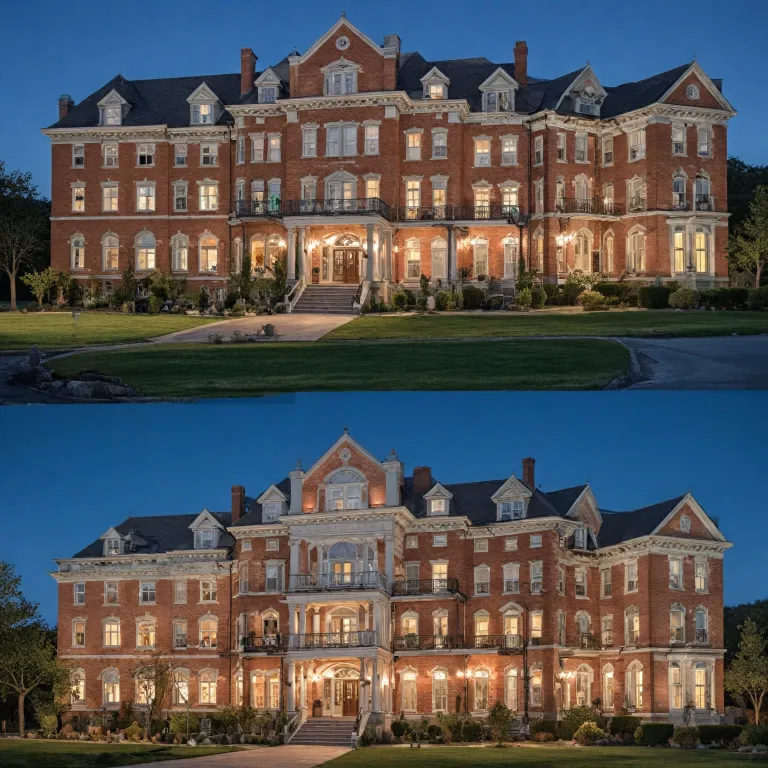
Preserving heritage while embracing innovation in hotel renovation
Hotel renovation before and after projects demand a delicate balance between honoring the past and embracing contemporary standards. The transformation of historic hotels such as the Omni Parker House, Vinoy Hotel, and Hôtel du Couvent illustrates how design elements and FF&E choices can elevate guest experiences while preserving architectural integrity. These projects often begin with a comprehensive assessment of original features, including rich wood finishes, natural light optimization, and the integration of award winning design elements that respect the building’s legacy.
Renovation hotel strategies increasingly rely on advanced methods like 3D photogrammetry to document and plan interventions. This approach ensures that every detail, from the lobby bar to the swimming pool, aligns with both historical context and modern guest expectations. The use of authentic materials, combined with discreet technological upgrades, allows newly remodeled hotel rooms and public spaces to offer comfort without sacrificing character. After months of careful planning and execution, the before after contrast is striking—guests encounter a seamless blend of old-world charm and contemporary luxury.
Asset managers and investors recognize that such projects are not merely aesthetic undertakings; they are strategic investments in a hotel’s future. The impact of a successful renovation is evident in increased bookings, improved operational efficiency, and enhanced brand reputation.
Designing guest-centric spaces: from lobby to inspired restaurant
The transformation of hotel lobbies and public areas is central to the hotel renovation before and after narrative. A well-designed lobby serves as both a functional hub and a visual statement, welcoming guests with natural light, rich wood accents, and thoughtfully curated design elements. The lobby bar, often the social heart of the property, is reimagined to foster interaction and relaxation, blending tradition with contemporary flair.
Inspired restaurant concepts are another focal point in renovation hotel projects. By integrating local culture and culinary trends, these spaces become destinations in their own right, drawing both hotel guests and external visitors. The use of flexible FF&E solutions allows for adaptable layouts that accommodate evolving food and beverage trends. After months of renovation, the before after transformation is evident in the vibrant atmosphere and elevated guest satisfaction.
Designers and technical directors collaborate closely to ensure that every detail, from lighting to acoustics, enhances the overall experience. The integration of sustainable materials and energy-efficient systems further aligns with the expectations of today’s environmentally conscious travelers. For more on the evolution of hotel food and beverage spaces, visit this resource on hospitality restaurant design.
Reimagining hotel rooms: comfort, technology, and timeless appeal
Hotel rooms are at the core of any renovation hotel project, serving as private sanctuaries for guests. The before after journey often begins with a reassessment of spatial layouts, maximizing natural light and optimizing views of the pool or surrounding paradise. FF&E suppliers play a crucial role in sourcing furnishings that balance durability, aesthetics, and comfort, ensuring that each room reflects the hotel’s unique identity.
Modern technology is discreetly integrated into hotel rooms, from smart lighting controls to advanced climate systems. These upgrades enhance guest comfort without detracting from the room’s design elements or historical features. After months of renovation, the newly remodeled rooms offer a harmonious blend of tradition and innovation, appealing to both leisure and business travelers.
Asset managers and investors closely monitor the impact of these changes, noting increases in guest satisfaction and average daily rates. The photo documentation of before after transformations provides valuable insights for future projects. For an in-depth look at successful room renovations, see case studies on hotel room design transformations.
Elevating amenities: swimming pools, bars, and wellness spaces
Hotel renovation before and after projects extend beyond rooms and lobbies to encompass a range of amenities that define the guest experience. Swimming pools, for example, are often reimagined as tranquil retreats or vibrant social hubs, depending on the property’s brand positioning. The integration of natural light, lush landscaping, and innovative design elements transforms these spaces into true highlights of the renovation hotel process.
Bars and lounges are similarly elevated, with award winning concepts that blend local influences and contemporary trends. The lobby bar, in particular, becomes a focal point for both guests and visitors, offering a curated selection of food and beverages in a setting that reflects the hotel’s identity. After months of meticulous planning and execution, the before after results are evident in increased foot traffic and positive guest feedback.
Wellness spaces, including spas and fitness centers, are also prioritized in modern renovation hotel projects. These areas are designed to promote relaxation and well-being, incorporating sustainable materials and advanced technologies. The overall impact is a more holistic guest experience that supports both physical and mental health.
Operational efficiency and sustainability in renovation hotel projects
Operational efficiency is a key objective in every hotel renovation before and after project. By upgrading mechanical systems, optimizing energy use, and streamlining workflows, hotels can reduce costs and improve service delivery. Sustainable practices, such as the use of eco-friendly materials and water-saving technologies, are increasingly integrated into renovation hotel strategies.
Collaboration with local artisans and craftsmen ensures that authentic materials and techniques are preserved, while partnerships with hospitality management companies bring operational expertise to the table. The result is a renovation hotel project that not only enhances guest experiences but also delivers long-term value for owners and investors. After months of careful planning, the before after impact is reflected in both financial performance and environmental stewardship.
Industry data shows that the average cost of hotel renovation per room is approximately 100,000 USD, underscoring the importance of strategic planning and execution. The photo documentation of before after progress provides transparency and accountability throughout the project lifecycle.
Measuring success: guest satisfaction, market impact, and future trends
The success of hotel renovation before and after projects is measured by a range of metrics, from guest satisfaction scores to increased bookings and media coverage. "Renovating historic hotels preserves cultural heritage, attracts a diverse clientele, and enhances the property's value." This quote encapsulates the broader impact of thoughtful renovation hotel initiatives. After months of transformation, the before after results are evident in guest testimonials, award winning design recognitions, and strengthened brand reputation.
Market trends indicate a growing emphasis on adaptive reuse, sustainable design, and the integration of local culture into hotel projects. Asset managers and investors are increasingly focused on projects that deliver both immediate returns and long-term value. The photo documentation of before after changes serves as a powerful tool for marketing and stakeholder engagement.
For those involved in future renovation hotel projects, the lessons learned from recent transformations provide a roadmap for success. The ongoing evolution of design elements, FF&E solutions, and operational strategies will continue to shape the hospitality landscape for years to come.
Key statistics on hotel renovation before and after
- Increase in bookings post-renovation: 20% (according to hotel industry reports)
- Average cost of hotel renovation per room: 100,000 USD (hospitality financial studies)
Frequently asked questions about hotel renovation before and after
What are the benefits of renovating historic hotels?
Renovating historic hotels preserves cultural heritage, attracts a diverse clientele, and enhances the property's value.
How long do hotel renovations typically take?
The duration varies depending on the project's scope but can range from several months to a few years.
Are hotel renovations disruptive to guests?
Hotels often plan renovations in phases to minimize disruption, sometimes closing temporarily or limiting guest access to certain areas.