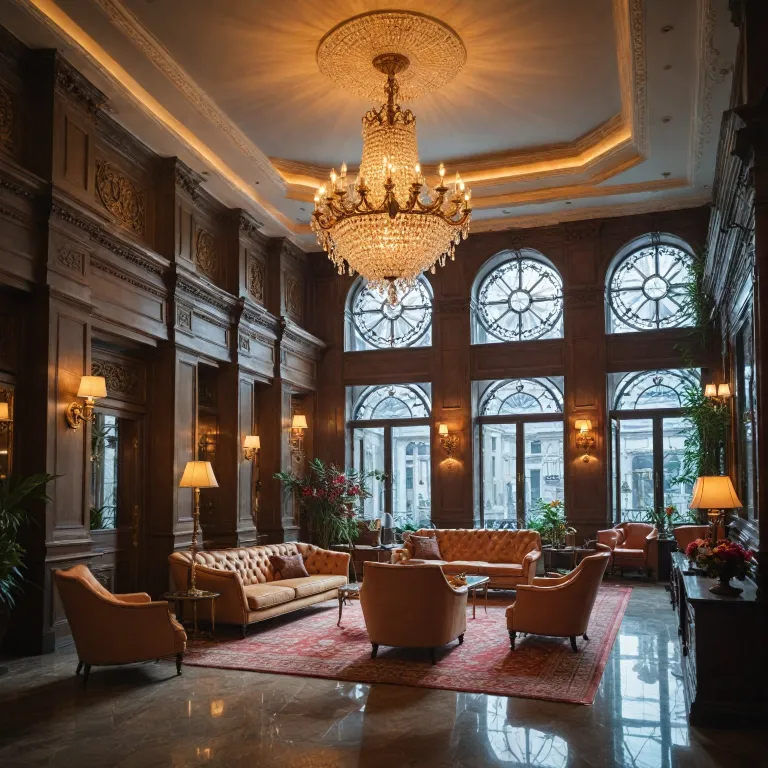
The architectural grandeur of London's famous hotel lobbies
London stands as a beacon for hotel design, with its famous hotel lobbies in London offering a masterclass in architectural excellence. Each hotel lobby, from the historic Savoy to the contemporary Berkeley, tells a unique story through its walls, floors, and ceilings. The Savoy Hotel, a luxury hotel, is renowned for its English Edwardian and Art-Deco influences, where mahogany paneling and a chequered marble floor greet guests in grand style. The city’s hotels blend tradition and modernity, creating spaces that reflect both heritage and innovation. Claridge's lobby, with its geometric patterns and gleaming marble, exemplifies how design can bridge eras, making it a great place for both guests and visitors to experience the best luxury. The Lanesborough’s neoclassical lobby, meanwhile, offers a tranquil yet opulent stay, with every room and wall finished to perfection. These lobbies are not just passageways but destinations in themselves, drawing architects, designers, and asset managers eager to study their style and function. The integration of modern touches, such as art installations and interactive technology, has become a hallmark of London hotels. This evolution ensures that both boutique hotel and luxury hotel experiences remain at the forefront of hospitality design. The city’s hotel lobbies serve as a testament to the enduring appeal of thoughtful design and the importance of creating a stylish, welcoming space for every guest.Design philosophies shaping London's hotel lobbies
The design of hotel lobbies in London is driven by a blend of historical reverence and contemporary innovation. Each hotel, whether a boutique hotel or a grand luxury hotel, seeks to create a lobby that reflects its unique identity while meeting the evolving expectations of guests. The Waldorf Hilton, London, for example, features a 190-foot curving facade and a frieze of cherubs, embodying the city’s commitment to both tradition and artistry. Design-led approaches prioritize the guest experience, ensuring that every touchpoint, from the wall finishes to the placement of cocktail bars, enhances the overall stay. Hotels London are increasingly incorporating sustainable materials and energy-efficient lighting, aligning with global trends in responsible design. The use of virtual reality tours, as seen in some modern hotels, allows potential guests to book their stay and explore the lobby before arrival, merging technology with hospitality. The city’s best luxury hotels, such as The Berkeley and The Lanesborough, demonstrate how thoughtful design can elevate a space from functional to iconic. These lobbies are carefully curated to balance comfort, style, and a sense of place, making them a great room for both relaxation and social interaction. For those interested in the intersection of architecture and hospitality, London hotel lobbies offer a wealth of inspiration and insight. For further reading on innovative hospitality design, explore our resource on cutting-edge FF&E solutions for hotels.FF&E strategies in London's luxury and boutique hotel lobbies
Furniture, fixtures, and equipment (FF&E) play a pivotal role in defining the character of famous hotel lobbies in London. Asset managers and suppliers recognize that the right FF&E choices can transform a lobby from merely good to truly great. In luxury hotels like Claridge's and The Savoy Hotel, bespoke furnishings and custom lighting fixtures are selected to complement the architectural style and enhance the guest experience. Boutique hotels, such as Ruby Lucy and Mama Shelter, embrace quirky design elements and bold color palettes, creating a stylish and memorable first impression. The integration of locally sourced materials and artisanal craftsmanship adds authenticity and a sense of place to each lobby. Hotels London are also experimenting with modular furniture and flexible layouts, allowing spaces to adapt to different events and guest needs. The importance of FF&E extends beyond aesthetics; it impacts durability, maintenance, and overall operational efficiency. Asset managers and investors are increasingly involved in FF&E selection, ensuring that every piece aligns with the hotel’s brand and long-term vision. For a deeper dive into FF&E procurement and management, visit our guide on best practices for FF&E in hospitality projects.Renovation challenges and innovations in London's hotel lobbies
Renovating a hotel lobby in London presents unique challenges, from preserving historic features to integrating modern amenities. The city’s luxury hotels, such as The Waldorf Hilton, London, must balance the need for contemporary comfort with the preservation of architectural heritage. This often involves close collaboration between designers, technical directors, and historical societies. Innovative renovation strategies include the use of sustainable materials, advanced lighting systems, and digital guest services. Hotels London are increasingly turning to technology to enhance the guest experience, with interactive displays and virtual concierge services becoming standard in many lobbies. The integration of modern art installations and green walls adds a fresh, stylish touch while supporting the hotel’s sustainability goals. Asset managers and investors play a crucial role in overseeing renovation projects, ensuring that budgets are met without compromising on quality or style. The success of these projects depends on meticulous planning, expert craftsmanship, and a clear vision for the future.Iconic examples: London's most celebrated hotel lobbies
London is home to some of the world’s most famous hotel lobbies, each offering a distinct blend of style, luxury, and innovation. The Savoy Hotel’s lobby is a masterpiece of English Edwardian and Art-Deco design, with its grand pillars and marble floors setting the tone for a memorable stay. Claridge's lobby, with its Art Deco elegance, has long been a gathering place for the city’s elite and a symbol of timeless luxury. The Lanesborough’s neoclassical lobby exudes sophistication, while The Berkeley’s contemporary design showcases the best of modern British style. Boutique hotels like Ruby Lucy and Mama Shelter bring a quirky, playful energy to the city’s hospitality scene, offering guests a unique and stylish place to relax. Zedwell Piccadilly and nhow hotel further illustrate the diversity of design approaches, from minimalist chic to bold, colorful statements. These lobbies are more than just entryways; they are destinations in their own right, attracting visitors from around the world. Whether enjoying afternoon tea, a cocktail at the bar, or simply admiring the architecture, guests are invited to immerse themselves in the city’s rich hospitality heritage. As one expert notes, “The Savoy Hotel, opened in 1889, features a lobby that combines English Edwardian and Art-Deco architecture, making it one of the most historic in London.”Guest experience and the evolving role of the hotel lobby
The hotel lobby has evolved from a simple reception area to a dynamic social hub, reflecting the changing needs of guests and the city itself. In London, hotel lobbies serve as meeting points, workspaces, and venues for cultural events, embodying the spirit of the city. The best luxury hotels understand that the lobby is the first and last impression guests have, making every detail—from the wall art to the lighting—crucial. Modern hotels London are reimagining the lobby as a multifunctional space, offering everything from boutique retail to immersive art installations. The integration of technology, such as mobile check-in and digital concierge services, enhances convenience while maintaining a sense of personal connection. Stylish design elements, comfortable seating, and curated music playlists contribute to a welcoming atmosphere that encourages guests to linger. For travelers seeking a unique stay, London’s hotel lobbies offer a glimpse into the city’s creative energy and commitment to excellence. Whether you book a room at a luxury hotel or explore the quirky charm of a boutique hotel, the lobby sets the tone for the entire experience.Practical considerations for professionals: access, tours, and photography
For architects, designers, and asset managers, gaining access to London’s most famous hotel lobbies can provide invaluable inspiration and insight. Many hotels London, especially those with renowned lobbies, offer guided tours or allow non-guests to visit during off-peak hours. It is advisable to check in advance, as some hotels may require reservations or have dress codes for lobby access. Photography policies vary by hotel; some allow visitors to capture the stylish interiors freely, while others may have restrictions to protect guest privacy. As one expert advises, “Photography policies vary by hotel; some allow it freely, while others may have restrictions. It's best to inquire at the hotel's reception.” For those interested in hosting events or conducting research, contacting the hotel’s management team can facilitate access and provide additional information about the lobby’s design and history. London’s hotel lobbies are not only architectural landmarks but also vibrant social spaces that reflect the city’s diversity and creativity. Whether you are an investor, supplier, or design professional, exploring these spaces can offer fresh perspectives and spark new ideas for your own projects.Key statistics on London's hotel lobbies
- Number of 5-star hotels in London: 75 hotels
- Average age of historic hotels in London: 150 years
Frequently asked questions about London's hotel lobbies
Which hotel in London has the most historic lobby?
The Savoy Hotel, opened in 1889, features a lobby that combines English Edwardian and Art-Deco architecture, making it one of the most historic in London.
Are hotel lobbies in London open to non-guests?
Many hotel lobbies in London are open to non-guests, especially those with on-site restaurants or bars, but it's advisable to check with the hotel beforehand.
Can you take photographs in London's hotel lobbies?
Photography policies vary by hotel; some allow it freely, while others may have restrictions. It's best to inquire at the hotel's reception.
Trusted sources for further information on London's hotel lobbies
- www.thesavoylondon.com
- www.claridges.co.uk
- www.oetkercollection.com/hotels/the-lanesborough