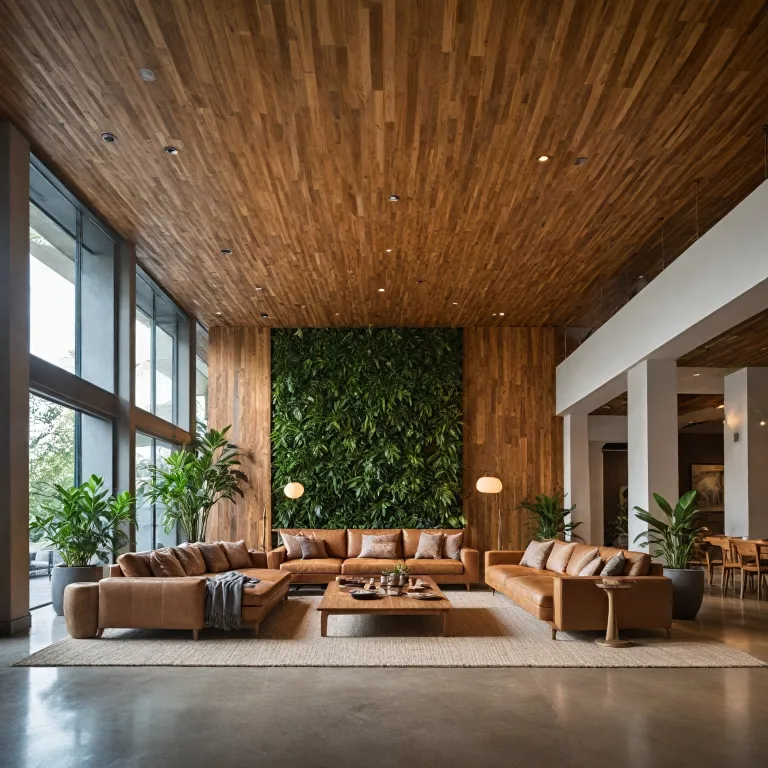
Integrating sustainable FF&E into hotel design: principles and priorities
In the evolving landscape of hospitality, sustainable FF&E for hotels has become a central pillar for architects, designers, and asset managers. The integration of eco-friendly furniture, fixtures, and equipment (FF&E) is no longer a trend but a necessity, driven by both environmental imperatives and guest expectations. Sustainability in hotel design encompasses the careful selection of materials, the adoption of energy-efficient systems, and the implementation of waste-reducing practices throughout the project lifecycle.
FF&E solutions that prioritize sustainability are transforming hotel interiors, with a focus on reducing the carbon footprint and enhancing guest well-being. High quality, eco conscious materials such as FSC-certified wood, recycled metals, and low-VOC finishes are increasingly specified to meet brand standards and regulatory requirements. The adoption of modular and adaptable furniture fixtures extends the lifecycle of hotel furniture, supporting long term environmental goals and minimizing waste generation.
For hospitality professionals, the challenge lies in balancing design innovation with sustainability practices. By collaborating with sustainable furniture manufacturers and environmental certification bodies, hotels can ensure their FF&E and OS&E selections align with both operational needs and eco friendly objectives. The result is a hotel interior that not only meets the aesthetic and functional demands of guests but also demonstrates a measurable commitment to reducing environmental impact.
Materials and manufacturing: advancing eco friendly hotel FF&E
The foundation of sustainable FF&E for hotels rests on the responsible sourcing and processing of materials. Sustainable hotel projects increasingly specify reclaimed wood, recycled plastics, and bamboo for furniture and fixtures, reducing reliance on virgin resources and supporting circular economy principles. The use of non-toxic adhesives and low-emission finishes further enhances indoor air quality, directly benefiting guests and staff alike.
Energy efficient manufacturing processes are essential to minimize the environmental impact of hotel FF&E production. By partnering with eco conscious suppliers, hotels can ensure that their furniture fixtures and equipment are produced with reduced energy water consumption and lower carbon emissions. Life-cycle assessments are a valuable tool for evaluating the sustainability of FF&E solutions, enabling design teams to make informed decisions that align with both brand standards and guest expectations.
For asset managers and technical directors, the adoption of green procurement policies is a strategic move. These policies prioritize suppliers who demonstrate a commitment to sustainability, from sourcing eco friendly materials to implementing waste reduction systems. For more insights on sustainable procurement strategies, visit sustainable procurement in hospitality. This approach not only supports environmental goals but also enhances the reputation of hotels as leaders in sustainability practices.
Design innovation: merging aesthetics, function, and sustainability
Hotel design is undergoing a transformation as sustainability becomes a core design driver. FF&E solutions are now evaluated not only for their visual appeal and durability but also for their environmental credentials. Biophilic design elements, such as living walls and natural materials, are being integrated to connect guests with nature and promote well-being within hotel interiors.
Eco friendly hotel furniture is increasingly modular and adaptable, allowing for reconfiguration and reuse as guest needs evolve. This flexibility supports long term operational efficiency and reduces the need for frequent replacements, minimizing waste and conserving resources. The integration of smart systems into FF&E, such as energy efficient lighting and occupancy sensors, further reduces the environmental impact of hotel operations.
For design teams, the challenge is to create hotel interiors that reflect both the brand identity and the values of eco conscious guests. By leveraging sustainable FF&E and collaborating with local artisans, hotels can achieve unique, high quality environments that stand out in a competitive market. Explore more about innovative sustainable hotel design at innovative sustainable hotel design.
Operational strategies for sustainable FF&E management
Effective management of sustainable FF&E for hotels extends beyond procurement and installation. Ongoing maintenance, refurbishment, and end-of-life strategies are essential to maximize the value and minimize the environmental impact of hotel furniture and fixtures. Asset managers are increasingly adopting circular economy models, ensuring that FF&E furniture is recycled, repurposed, or responsibly disposed of at the end of its lifecycle.
Energy water efficiency is a key consideration in the operation of hotel FF&E systems. Smart monitoring tools enable technical teams to track energy consumption and identify opportunities for improvement, supporting both sustainability practices and cost savings. The implementation of green cleaning protocols further protects the integrity of eco friendly materials and enhances guest satisfaction.
Waste reduction is another critical component of sustainable hotel operations. By establishing partnerships with local recycling facilities and donation programs, hotels can divert FF&E waste from landfills and contribute to community well-being. These efforts reinforce the hotel’s commitment to environmental stewardship and support long term brand loyalty.
Certifications, compliance, and brand standards in sustainable FF&E
Compliance with environmental certifications and brand standards is a defining factor in the success of sustainable FF&E for hotels. Certifications such as FSC and GREENGUARD provide assurance that hotel furniture and materials meet rigorous sustainability criteria, from responsible sourcing to low emissions. These certifications are increasingly required by global hotel brands and are valued by eco conscious guests seeking transparency and accountability.
Brand standards now frequently include specific requirements for sustainable FF&E, encompassing material selection, energy efficient systems, and waste management protocols. By adhering to these standards, hotels not only reduce their environmental impact but also enhance their market positioning as leaders in sustainability practices. The collaboration between hotel owners, designers, and certification bodies is essential to ensure that all FF&E solutions align with both regulatory and guest expectations.
As sustainability becomes a core value in hospitality, the role of environmental certification bodies grows in importance. Their expertise guides hotels in implementing best practices and achieving measurable improvements in carbon footprint and resource efficiency. The integration of certified sustainable FF&E is a powerful statement of a hotel’s commitment to environmental responsibility and guest well-being.
Measuring impact: data-driven sustainability in hotel FF&E
Quantifying the impact of sustainable FF&E for hotels is essential for continuous improvement and stakeholder engagement. Metrics such as carbon footprint reduction, energy water savings, and waste diversion rates provide tangible evidence of a hotel’s commitment to sustainability. According to the Sustainable Hospitality Alliance, 70% of travelers now prefer eco friendly accommodations, highlighting the growing importance of sustainability in guest decision-making.
Life-cycle assessments and environmental audits are valuable tools for tracking the performance of FF&E solutions over time. These assessments enable hotels to identify areas for improvement and demonstrate compliance with both internal and external sustainability standards. The adoption of data-driven management systems supports transparency and accountability, fostering trust among guests, investors, and regulatory bodies.
As noted by Green Lodging News, the use of sustainable FF&E can reduce carbon emissions by up to 30%. This significant reduction not only benefits the environment but also contributes to operational efficiency and cost savings. By leveraging data and analytics, hotels can refine their sustainability practices and maintain a competitive edge in the hospitality industry.
Stakeholder collaboration: driving long term sustainability in hospitality
The successful implementation of sustainable FF&E for hotels relies on the collaboration of diverse stakeholders, including hotel owners, designers, suppliers, and certification bodies. Each actor plays a critical role in advancing sustainability practices, from the initial design phase to ongoing operations and refurbishment. The engagement of local artisans and suppliers further supports community development and reduces transportation-related environmental impact.
Partnerships with sustainable furniture manufacturers ensure that hotel FF&E meets the highest standards of quality and eco friendliness. Environmental certification bodies provide the expertise and oversight needed to validate sustainability claims and guide continuous improvement. As the industry moves toward standardization of sustainability practices, collaboration becomes even more essential for achieving long term environmental goals.
To quote the expert dataset: "Benefits include reduced environmental impact, improved guest satisfaction, compliance with regulations, and potential cost savings." This holistic approach not only enhances the guest experience but also strengthens the reputation and resilience of hotels in a rapidly changing market.
Key statistics on sustainable FF&E for hotels
- 70% of travelers prefer eco friendly accommodations (Sustainable Hospitality Alliance).
- Using sustainable FF&E can reduce carbon emissions by 30% (Green Lodging News).
Frequently asked questions about sustainable FF&E for hotels
What are the benefits of using sustainable FF&E in hotels?
Benefits include reduced environmental impact, improved guest satisfaction, compliance with regulations, and potential cost savings.
How can hotels ensure their FF&E is truly sustainable?
Hotels can ensure sustainability by sourcing from certified suppliers, conducting life-cycle assessments, and obtaining relevant environmental certifications.
Are there certifications for sustainable hotel furnishings?
Yes, certifications such as FSC (Forest Stewardship Council) and GREENGUARD indicate sustainable and low-emission products.
Trusted sources for sustainable FF&E in hospitality
- Sustainable Hospitality Alliance
- Green Lodging News
- Forest Stewardship Council (FSC)