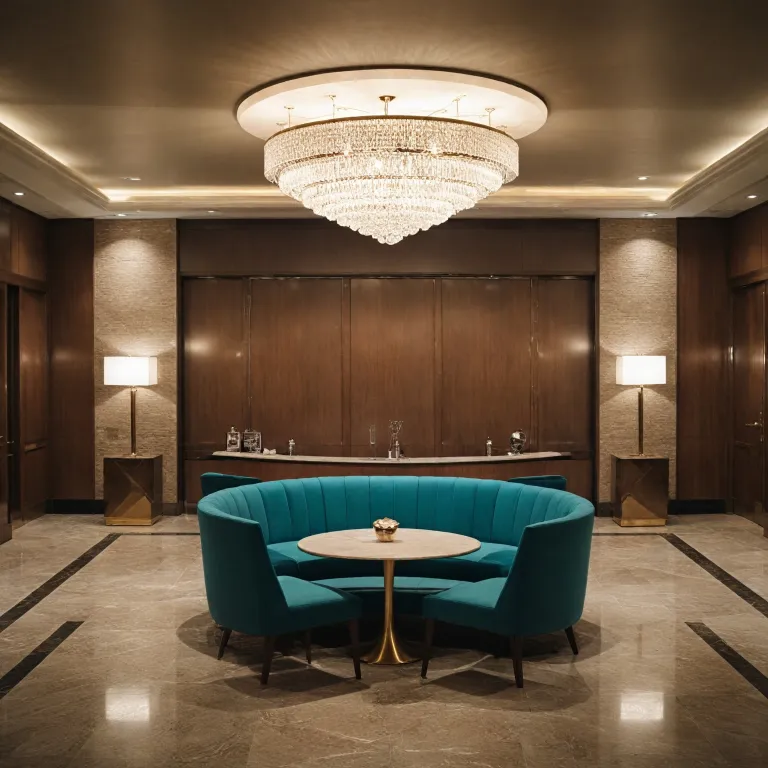
Architectural transformation: blending history and innovation in New York hotels
Renovated hotels in New York are redefining the city’s hospitality landscape by fusing historic architecture with contemporary design. The Waldorf Astoria New York stands as a prime example, where the building’s iconic façade and interiors have been meticulously restored while integrating modern amenities. This approach preserves the essence of New York’s architectural heritage, allowing guests to experience the grandeur of the past alongside the comforts of today. The use of square feet in public spaces has been optimized, creating inviting lounges and lobbies that offer city views and a sense of openness.
Design teams, including Skidmore, Owings & Merrill and Pierre-Yves Rochon, have prioritized the enhancement of guest rooms and suites, ensuring each room offers a unique view of the city or the Hudson River. The integration of art installations and bespoke FF&E elements elevates the ambiance, making each hotel a destination in itself. Hotels in York City, such as the Gansevoort Meatpacking and W New York – Union Square, have also embraced this philosophy, transforming their spaces to attract both leisure and business travelers. The result is a portfolio of hotels that not only honor their historic roots but also set new standards for design and guest experience in downtown York and beyond.
Asset managers and investors recognize the value of these renovations, as revitalized hotels in York City command higher occupancy rates and increased guest satisfaction. The careful balance between preservation and innovation ensures that each building remains relevant in a competitive market. As a result, renovated hotels in New York continue to be the perfect choice for discerning travelers seeking both authenticity and modern luxury.
FF&E strategies: elevating guest rooms and suites in renovated hotels
The selection and implementation of FF&E (furniture, fixtures, and equipment) play a pivotal role in the transformation of guest rooms and suites within renovated hotels in New York. Design teams collaborate closely with suppliers to source materials that reflect both the heritage of the building and the expectations of today’s guests. For example, the newly renovated guest rooms at the Waldorf Astoria and W New York – Union Square feature custom furnishings that maximize comfort and functionality, while maintaining a cohesive design language throughout the hotel.
Attention to detail is evident in every aspect of the room, from king-size beds with city view backdrops to lighting fixtures that highlight architectural features. The use of high-quality materials ensures durability and longevity, which is essential for hotels in York City’s demanding hospitality environment. Asset managers and technical directors are increasingly involved in the FF&E process, ensuring that investments align with long-term operational goals and guest satisfaction metrics.
Hotels in downtown York and the financial district are leveraging FF&E upgrades to differentiate their offerings, particularly in rooms and suites with views of landmarks such as Times Square, Hudson Yards, and the Brooklyn Bridge. The integration of technology, such as smart room controls and high-speed connectivity, further enhances the guest experience.
Design innovation: creating immersive experiences through art and ambiance
Renovated hotels in New York are embracing design innovation by curating immersive experiences that engage guests on multiple sensory levels. Artistic ambiance is a defining feature, with hotels like the Gansevoort Meatpacking integrating large-scale art installations and curated collections throughout public spaces and guest rooms. These elements not only enhance the visual appeal but also create a narrative that connects guests to the cultural fabric of York City.
Lighting design, color palettes, and material choices are carefully orchestrated to evoke specific moods and complement the city views available from many rooms and suites. Rooftop bars and lounges, such as those at Hudson Yards and downtown York, offer panoramic views of the Hudson River and the city skyline, providing memorable settings for both relaxation and social gatherings. The interplay between indoor and outdoor spaces is a hallmark of modern hotel design, with terraces and balconies extending the living area and maximizing the use of square feet.
Collaboration with renowned design firms, including Rockwell Group and Jean-Louis Deniot, ensures that each hotel’s aesthetic is both distinctive and aligned with its brand identity.
Financial and operational impact: maximizing ROI through strategic renovation
Significant financial investments in hotel renovations have yielded measurable returns for owners and operators in New York. The Waldorf Astoria New York’s extensive renovation, with a reported cost of $2 billion, exemplifies the scale and ambition of these projects. Similarly, the Sheraton New York Times Square Hotel secured $260 million in refinancing to support its modernization efforts, underscoring the confidence of investors in the long-term value of renovated hotels in York City.
Operational efficiencies are achieved through the modernization of building systems, the introduction of energy-efficient technologies, and the optimization of guest room layouts. These improvements not only reduce operating costs but also enhance the overall guest experience, leading to higher occupancy rates and increased revenue per available room. The integration of new dining venues and amenities, such as rooftop bars and wellness centers, further strengthens the hotel’s competitive position in the market.
Asset managers and investors are increasingly focused on the strategic allocation of capital to maximize ROI while preserving the unique character of each property. The revitalization of hotels in key locations, including Times Square, the financial district, and downtown York, contributes to the broader regeneration of surrounding neighborhoods.
Guest experience reimagined: personalization and technology in renovated hotels
Renovated hotels in New York are setting new benchmarks for guest experience by leveraging personalization and advanced technology. From the moment guests book their stay, they are offered tailored options that cater to their preferences, whether it’s a king room with a city view or a suite overlooking the Hudson River. The integration of smart room controls, mobile check-in, and digital concierge services streamlines the guest journey and enhances convenience.
Hotels in York City are also focusing on wellness and sustainability, with features such as air purification systems, eco-friendly amenities, and fitness centers designed to meet the needs of modern travelers. The availability of rooms and suites with unique views—such as those facing Central Park, the Brooklyn Bridge, or the World Trade Center—adds to the appeal, making each stay memorable. The presence of rooftop bars and exclusive lounges provides additional opportunities for guests to enjoy the city’s skyline and vibrant atmosphere.
As one expert notes, “Common features include modernized guest rooms, new dining venues, enhanced artistic ambiance, and integration of historic and contemporary design elements.” This commitment to innovation and guest-centric service ensures that renovated hotels in New York remain the perfect choice for both business and leisure travelers seeking an elevated experience in the heart of the city.
Strategic location: maximizing value in the heart of New York City
The location of renovated hotels in New York is a critical factor in their success, with many properties situated in the heart of the city’s most vibrant neighborhoods. Hotels near Times Square, Hudson Yards, and the financial district offer unparalleled access to business, entertainment, and cultural attractions. The proximity to landmarks such as the Brooklyn Bridge, Central Park, and the World Trade Center enhances the appeal for both domestic and international guests.
Guest rooms and suites are designed to capitalize on these prime locations, offering city views, river vistas, and direct access to local amenities. The Waldorf Astoria York and W New York – Union Square, for example, are located in areas that attract a diverse clientele, from corporate travelers to tourists seeking an authentic New York experience. The integration of rooftop bars and dining venues with panoramic views further distinguishes these hotels from their competitors.
Hotels in downtown York and the surrounding areas are also contributing to the revitalization of their neighborhoods, supporting local businesses and fostering a sense of community. The strategic placement of renovated hotels ensures that guests can easily explore the city while enjoying the comfort and luxury of their accommodations. This synergy between location, design, and service is a defining characteristic of the new generation of hotels in York City.
Future trends: sustainability, wellness, and the evolving role of design
The future of renovated hotels in New York is shaped by a growing emphasis on sustainability, wellness, and adaptive design. Architects and designers are incorporating eco-friendly materials, energy-efficient systems, and biophilic elements to create healthier and more sustainable environments. The focus on wellness extends to the design of guest rooms, with features such as natural light, air purification, and ergonomic furnishings becoming standard in newly renovated hotels.
Hotels in York City are also exploring flexible layouts and multifunctional spaces that can adapt to changing guest needs and preferences. The use of modular FF&E solutions allows for greater customization and operational efficiency, supporting both short-term and long-term business objectives. The integration of wellness amenities, such as spas, fitness centers, and meditation rooms, reflects the evolving expectations of travelers seeking holistic experiences.
As the hospitality industry continues to evolve, the role of design in shaping guest experience and operational success will remain paramount. Renovated hotels in New York are at the forefront of this transformation, setting new standards for excellence in architecture, design, and service. The ongoing collaboration between architects, designers, asset managers, and suppliers ensures that the city’s hotels will continue to inspire and delight guests for years to come.
Key statistics: investment and renovation in New York hotels
- Waldorf Astoria New York renovation cost: $2,000,000,000 USD
- W New York – Union Square renovation cost: $100,000,000 USD
- Gansevoort Meatpacking renovation cost: $40,000,000 USD
- Sheraton New York Times Square Hotel refinancing amount: $260,000,000 USD
- Lowell Hotel renovation cost: $25,000,000 USD
Frequently asked questions about renovated hotels in New York
Which hotels in New York City have recently undergone renovations?
Several hotels, including the Waldorf Astoria New York, W New York – Union Square, Gansevoort Meatpacking, Sheraton New York Times Square Hotel, and Lowell Hotel, have recently undergone significant renovations.
What are the common features of these renovated hotels?
Common features include modernized guest rooms, new dining venues, enhanced artistic ambiance, and integration of historic and contemporary design elements.
How have these renovations impacted the New York City hospitality scene?
These renovations have revitalized the hospitality scene by attracting diverse clientele, preserving historic significance, and introducing modern amenities to meet evolving guest expectations.