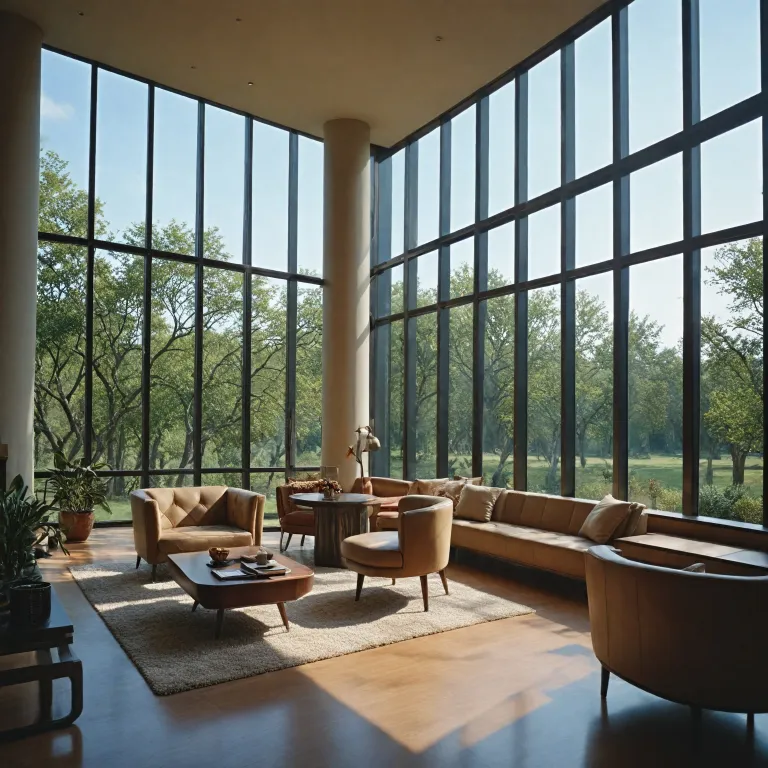
Defining excellence: what sets hotels with award-winning design apart
Hotels with award-winning design distinguish themselves through a harmonious blend of architecture, interior design, and guest experience. These hotels, whether a luxury resort or an urban boutique hotel, are recognized for their innovative use of space, materials, and local culture. The integration of sustainable practices and technology further elevates their status, making them benchmarks for the hospitality industry. A hotel’s design is not just about aesthetics; it is a strategic tool for brand differentiation and guest satisfaction. The architecture design of properties like The Thief in Oslo, crafted by Mellbye Architects, and Desert Rock Resort in Saudi Arabia, designed by Oppenheim Architecture, exemplifies this approach. These hotels with award-winning design are often featured in prestigious photo books and receive international design awards, including accolades from the Gold Key Awards and the Michelin Guide. Luxury hotels and resorts with modern interiors, infinity pools, and thoughtfully curated guest rooms set new standards in comfort and elegance. The guest experience is enhanced by features such as suites with panoramic views, afternoon tea lounges, and wine spirits bars. In destinations like Lake Como, Saint Tropez, and Cape Town, hotels with award-winning design become destinations in themselves, attracting guests seeking both relaxation and inspiration.Architectural innovation and the impact on guest experience
The architecture design of hotels with award-winning design is a driving force behind their global recognition. These properties often collaborate with renowned architects and interior designers, such as Studio Paolo Ferrari and Avalon Collective, to create spaces that are both functional and visually stunning. The result is a seamless flow between public areas, guest rooms, and suites, each space telling a unique story. One of the defining features of these hotels is their ability to integrate local culture and art into the design. For example, Four Seasons Hangzhou Centre, with interiors by Avalon Collective and AB Concept, celebrates regional artistry while maintaining a contemporary aesthetic. The use of sustainable materials and eco-friendly practices is also a hallmark, aligning with the growing demand for responsible luxury. Award-winning hotels often feature amenities such as infinity pools, Michelin starred restaurants, and exclusive afternoon tea experiences. These elements not only enhance the guest experience but also contribute to the hotel’s reputation in the competitive hospitality market. For technical directors and asset managers, the value of investing in hotels with award-winning design is clear: higher occupancy rates, increased guest satisfaction, and stronger brand loyalty. Explore more about innovative hotel architectureInterior design trends shaping award-winning hotels
Interior design plays a pivotal role in defining the character of hotels with award-winning design. Leading design studios, such as Sundukovy Sisters Design Studio and Kokaistudios, are at the forefront of creating interiors that balance luxury with comfort. The transformation of Regent Hong Kong by Chi Wing Lo demonstrates how thoughtful interior design can rejuvenate a hotel’s identity. Guest rooms and suites are designed to offer a sense of place, often featuring bespoke furnishings, curated art, and advanced technology. The focus on wellness is evident in the inclusion of spa-like bathrooms, private pools, and serene color palettes. In destinations like South Africa’s national parks and the vibrant city of Los Angeles, hotels with award-winning design cater to diverse guest preferences while maintaining a cohesive design narrative. The integration of wine spirits bars, Michelin starred dining, and afternoon tea lounges adds layers of experience for guests. These elements, combined with exceptional service, create memorable stays that encourage repeat bookings. For suppliers of FF&E, the demand for high-quality, sustainable products is growing, reflecting the industry’s commitment to excellence. Learn about the latest interior design innovations in hospitalityFF&E and the role of suppliers in luxury hotel projects
The selection and procurement of FF&E (furniture, fixtures, and equipment) are critical to the success of hotels with award-winning design. Asset managers and investors recognize that the right FF&E enhances both the functionality and aesthetic appeal of guest rooms, suites, and public spaces. Suppliers must deliver products that meet rigorous standards for quality, durability, and design innovation. Boutique hotels and luxury resorts often require custom solutions, from bespoke furniture to unique lighting fixtures. The collaboration between designers, suppliers, and technical directors ensures that every element aligns with the hotel’s design vision. In properties like La Mamounia in Marrakesh, co-designed by Henri Prost and Antoine Marchisio, the FF&E selection reflects a deep respect for local craftsmanship and heritage. The growing emphasis on sustainability has led to increased demand for eco-friendly materials and production methods. Hotels with award-winning design are setting new benchmarks by prioritizing suppliers who share their commitment to environmental responsibility. This approach not only supports brand values but also appeals to guests who seek meaningful, responsible travel experiences.Design awards: recognition, criteria, and industry impact
Design awards play a significant role in shaping the reputation of hotels with award-winning design. These accolades, such as the Gold Key Awards and the Michelin Guide’s hotel listings, are awarded based on criteria including innovation, aesthetic appeal, integration with local culture, and sustainability. The evaluation process involves expert panels, public voting, and industry nominations, ensuring a comprehensive assessment of each property. Winning a design award elevates a hotel’s profile, attracting guests, investors, and media attention. As stated in the dataset, "Hotels are evaluated based on criteria such as innovation, aesthetic appeal, integration with local culture, and sustainability." The impact is measurable: award-winning hotels report higher occupancy rates and increased demand for bookings, particularly in peak travel periods. For asset managers and investors, design awards are a valuable indicator of a hotel’s market potential and long-term value. The recognition also motivates hotel teams to pursue continuous improvement, fostering a culture of excellence across all departments. The integration of guest feedback and sustainability metrics into the evaluation process reflects the industry’s evolving priorities. Each property reflects the unique character of its location while adhering to the highest standards of architecture and interior design. In Saint Tropez, boutique hotels blend Mediterranean charm with modern luxury, offering guests an immersive experience. In South Africa, resorts near national parks provide guests with unparalleled access to nature, complemented by sophisticated interiors and infinity pools. Cape Town’s luxury hotels are celebrated for their innovative use of space and integration of local art. The Desert Rock Resort in Saudi Arabia, with interiors by Studio Paolo Ferrari, exemplifies the fusion of contemporary design and natural landscapes. Michelin starred restaurants, three Michelin key hotels, and exclusive wine spirits bars are common features in these properties. Guests can book suites with private pools, enjoy afternoon tea overlooking scenic vistas, and explore curated photo exhibitions that showcase the hotel’s design journey. The credit for these achievements goes to the collaborative efforts of architects, designers, and suppliers dedicated to pushing the boundaries of hospitality.Future perspectives: sustainability, technology, and guest-centric design
The future of hotels with award-winning design lies in the seamless integration of sustainability, technology, and guest-centric innovation. As the hospitality industry evolves, there is a growing emphasis on reducing environmental impact through energy-efficient systems, eco-friendly materials, and responsible sourcing. Hotels are leveraging technology to enhance guest experience, from smart room controls to personalized services. The role of design awards in promoting these trends cannot be overstated. As noted in the dataset, "Hotel design significantly impacts guest experience, brand identity, and can influence a hotel's success in a competitive market." The continued collaboration between architects, interior designers, and FF&E suppliers will drive the next wave of innovation in luxury and boutique hotels. Guests increasingly seek meaningful experiences that reflect local culture and values. The integration of art, wellness, and culinary excellence ensures that hotels with award-winning design remain at the forefront of the industry. As new destinations emerge, the commitment to excellence in architecture design, interior design, and guest service will define the future of hospitality.Key statistics on hotels with award-winning design
- 10 hotels were awarded in the latest Gold Key Awards.
- There was a 15% increase in hotel design awards compared to the previous year.
- The average occupancy rate of award-winning hotels reached 85%.
Frequently asked questions about hotels with award-winning design
What are some examples of hotels with award-winning designs?
Examples include The Thief in Oslo, Four Seasons Hangzhou Centre in China, and Desert Rock Resort in Saudi Arabia.
How are hotels evaluated for design awards?
Hotels are evaluated based on criteria such as innovation, aesthetic appeal, integration with local culture, and sustainability.
Why is hotel design important?
Hotel design significantly impacts guest experience, brand identity, and can influence a hotel's success in a competitive market.
Trusted sources for further reading
- https://www.dezeen.com
- https://www.architecturaldigest.com
- https://www.forbes.com