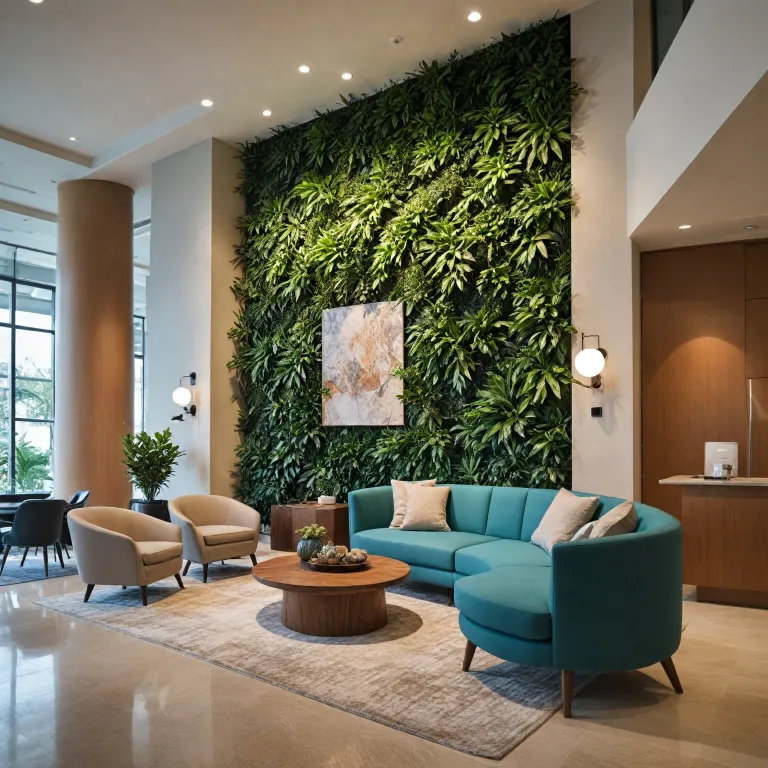
Redefining the hotel lobby: From traditional reception to immersive guest experience
The evolution of hotel lobby design has transformed the reception area from a functional check-in point to a dynamic, multi-use space. Today, the lobby is the first impression for guests, setting the tone for their entire stay. Modern hotel lobbies blend interior design, lighting, and furniture to create a welcoming environment that reflects the brand’s identity and local culture. Designers and architects are tasked with crafting lobby layouts that balance aesthetics and operational efficiency. The integration of advanced lighting systems and custom wall designs elevates the ambiance, while flexible furniture arrangements allow the space to adapt to various guest needs. The front desk, once a static element, now features innovative desk designs and technology-driven check-in solutions, enhancing both guest experience and staff efficiency. Luxury hotels are leading the way by incorporating biophilic elements, such as living walls and natural materials, to foster a sense of well-being. The use of sustainable materials in wall and ceiling design not only supports environmental goals but also appeals to the growing eco-conscious traveler. As a result, hotel lobbies are becoming vibrant living rooms where guests can relax, socialize, or work, supported by thoughtful interior design and state-of-the-art amenities.Integrating technology and sustainability in lobby design
The modern hotel lobby is a showcase for technological innovation and sustainable practices. Interactive digital installations and augmented reality features are increasingly common, allowing guests to engage with the space in new ways. These technologies enhance the guest experience by providing personalized information, entertainment, and seamless check-in processes at the reception desk. Sustainability is at the forefront of lobby design, with designers selecting materials and furniture that minimize environmental impact. Advanced lighting systems, such as LED fixtures and smart controls, reduce energy consumption while creating a warm and inviting atmosphere. The integration of local art and culture into wall and ceiling design further distinguishes each hotel lobby, offering guests a unique sense of place. Asset managers and investors recognize the value of innovative lobby ideas in driving guest satisfaction and brand loyalty. Flexible lobby layouts accommodate food and beverage concepts, pop-up events, and co-working spaces, maximizing the utility of every square meter. For more on how technology is shaping hotel interiors, see this detailed analysis on hotel technology trends.Designing for flexibility: Multifunctional spaces and adaptive layouts
Flexibility is a defining characteristic of innovative hotel lobby designs. As guest expectations evolve, lobbies must serve as more than just a reception area. Modern lobby layouts incorporate zones for relaxation, business, social interaction, and food and beverage service, all within a cohesive interior design scheme. Furniture selection is critical, with modular pieces that can be rearranged to suit different events or guest needs. Desk hotel concepts now include mobile reception desks and concierge stations, allowing staff to engage with guests throughout the space. Wall design and ceiling features help delineate areas without the need for physical barriers, maintaining an open and inviting atmosphere. Lighting plays a pivotal role in setting the mood and guiding guests through the lobby. Advanced lighting systems can be programmed to change throughout the day, supporting various functions and enhancing the overall guest experience. For insights into flexible lobby layouts and adaptive design, explore this resource on multifunctional hospitality spaces.Enhancing guest engagement through art, culture, and local identity
A well-designed hotel lobby tells a story, connecting guests to the local culture and community. Interior designers collaborate with local artists to create bespoke wall art, sculptures, and installations that reflect the destination’s heritage. These elements become focal points within the lobby, enriching the guest experience and supporting the hotel’s brand narrative. Wall and ceiling design often incorporate motifs and materials unique to the region, from handcrafted tiles to reclaimed wood. The reception desk and concierge area are designed to be both functional and visually striking, serving as the heart of guest interaction. Design luxury is achieved through attention to detail, from custom furniture to curated lighting that highlights key features. Food and beverage offerings are seamlessly integrated into the lobby, encouraging guests to linger and socialize. The living room concept blurs the line between public and private spaces, making the lobby a true extension of the guest’s room.Operational excellence: Balancing aesthetics, efficiency, and guest flow
Behind every innovative hotel lobby design is a careful balance between aesthetics and operational efficiency. The layout must support smooth guest flow, from check-in at the front desk to access to elevators, food and beverage outlets, and other amenities. Desk design and placement are optimized to reduce wait times and enhance the overall guest experience. Concierge desks are strategically located to provide assistance without disrupting the lobby’s ambiance. Modern technology, such as digital concierge services and mobile check-in, streamlines operations and frees staff to focus on personalized service. According to the Hospitality Technology Report, 65% of hotels now incorporate digital concierge services in their lobbies, reflecting the industry’s commitment to innovation. Lighting and wall design are used to guide guests intuitively through the space, while furniture arrangements support both privacy and social interaction. Asset managers and investors benefit from lobby designs that increase guest satisfaction and drive repeat business. As noted in the Hotel Design Impact Study, there has been a 15% increase in guest satisfaction scores after lobby redesigns.Future trends: Personalization, smart technology, and evolving guest expectations
The future of hotel lobby design lies in personalization and smart technology. Hotels are leveraging data and digital tools to tailor the guest experience from the moment of arrival. Interactive displays, mobile apps, and smart lighting systems allow guests to customize their environment, from room selection to lighting preferences. Design modern principles emphasize adaptability, with lobby layouts that can evolve as guest needs change. Desk concierge services are enhanced by artificial intelligence, providing instant recommendations and support. Wall and ceiling design will continue to incorporate sustainable materials and innovative textures, reflecting both environmental responsibility and design luxury. As guest expectations rise, hotels must continuously innovate to remain competitive. The integration of food and beverage concepts, flexible living room spaces, and immersive art installations will define the next generation of hotel lobbies. The quote, “Technology enhances functionality and engagement in hotel lobbies through features like interactive digital displays, augmented reality experiences, and smart lighting systems,” captures the essence of this ongoing transformation.Key statistics on innovative hotel lobby designs
- 65% of hotels incorporate digital concierge services in lobbies (Hospitality Technology Report).
- Guest satisfaction scores increase by 15% after lobby redesigns (Hotel Design Impact Study).
Frequently asked questions about innovative hotel lobby designs
What are the benefits of innovative hotel lobby designs?
Innovative lobby designs enhance guest experiences, strengthen brand identity, and can lead to increased revenue through higher guest satisfaction.
How do hotels incorporate local culture into lobby designs?
Hotels integrate local culture by showcasing regional art, using locally sourced materials, and reflecting traditional architectural styles in their lobby designs.
What role does technology play in modern hotel lobbies?
Technology enhances functionality and engagement in hotel lobbies through features like interactive digital displays, augmented reality experiences, and smart lighting systems.
Trusted sources for further reading
- https://www.hospitalitynet.org
- https://www.hotelmanagement.net
- https://www.dezeen.com