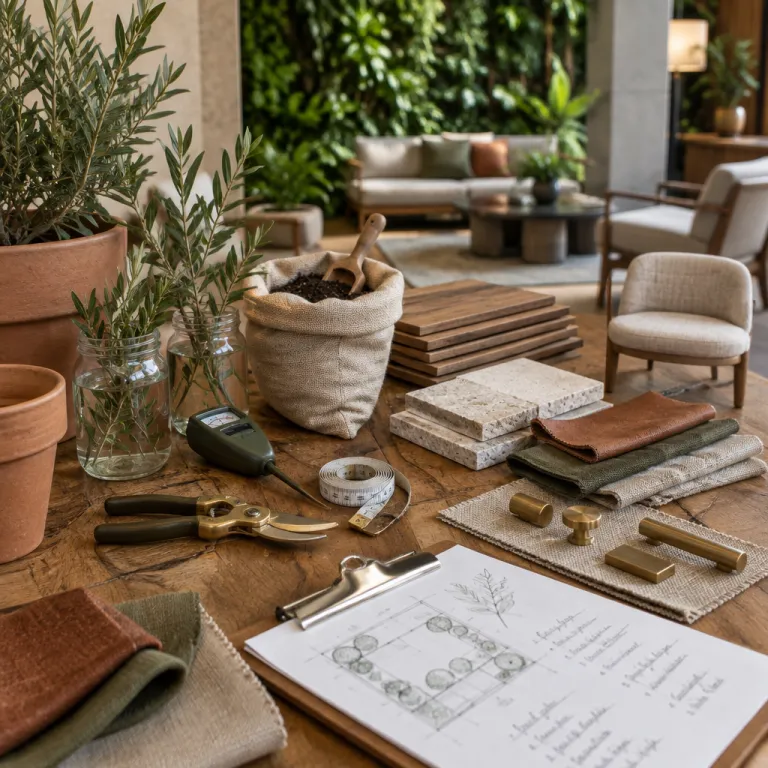
Verdant interior design as a strategic asset for hospitality brands
Verdant interior design in hospitality is no longer a decorative whim; it has become a strategic lever for brand positioning and asset value. When a lobby, guest room, or spa expresses a coherent verdant interior narrative, the green language of materials, light, and planting supports higher average daily rates and longer stays. A well planned design verdant approach also strengthens operational performance, because natural systems for shading, acoustics, and thermal comfort reduce long term maintenance pressure.
For architects and interior designers in hospitality, the challenge is to create interiors where nature is not a theme but an infrastructure. This means treating every interior space as a living ecosystem, where paint specifications, planting layouts, and FF&E selections work together to create resilient verdant vibes. Asset managers and investors quickly find that such interiors generate stronger online image scores, because guests will share and revisit spaces that feel restorative, photogenic, and genuinely natural.
Technical directors and bureaux d’études must therefore explore performance criteria alongside aesthetics when they evaluate any verdant interior concept. A room with generous daylight, controlled glare, and well chosen green finishes will age better than a purely cosmetic scheme. Suppliers of FF&E who align their catalogues with biophilic interior design principles can create new B2B value, because their products integrate seamlessly into long term verdant interior design strategies.
Planning verdant spaces: zoning, circulation, and guest journey
Successful verdant interior design begins with the masterplan of interior spaces, not with the last minute addition of plants. When circulation, zoning, and sightlines are drawn to frame nature as a constant companion, every room becomes a stage for green experiences rather than a corridor between functions. Guests will unconsciously explore more of the property when each space reveals a new verdant interior perspective, from shaded lounges to double height winter gardens.
For long corridors, staircases, and lift lobbies, designers should use verdant vibes to break monotony and support wayfinding. Layered planting, textured green paint, and controlled lighting can transform a 30 second walk into a curated design sequence that feels both natural and cinematic; this is precisely where a detailed approach to the hotel corridor as design sequence becomes essential. When guests visit these interiors, they will find that the rhythm of planting, artwork, and painting details subtly guides them towards key amenities.
Asset managers should request test layouts that show how each interior space can create layered views of nature from multiple angles. A single tree in a courtyard can generate a powerful image if it is framed from the lobby, restaurant, and guest corridors, turning one green investment into many experiential moments. Bureaux d’études can then model daylight, glare, and thermal comfort to ensure that verdant spaces perform well across seasons, rather than relying on decorative gestures that quickly fade.
Materiality, paint systems, and the chromatic language of green
The chromatic strategy of verdant interior design goes far beyond choosing a fashionable green paint for feature walls. Hospitality interiors require a calibrated palette where natural greens, mineral neutrals, and warm metals create depth, so that each room feels both grounded and luminous. When designers balance matte and satin painting finishes, they will create subtle reflections that echo the play of light on foliage without becoming visually noisy.
Technical directors must evaluate paint systems for scrub resistance, VOC emissions, and compatibility with humidity levels in spas, pools, and bathrooms. In guest bathrooms especially, the choice of tile, fixtures, and paint colour can reinforce a verdant interior narrative; a carefully detailed hotel bathroom design as brand signal often becomes one of the most photographed interiors in the property. When guests visit such spaces, they will explore surfaces with their cameras, and the resulting image library becomes organic marketing for the hotel.
For FF&E suppliers, the opportunity lies in finishes that echo nature through tactility rather than literal motifs. Textured fabrics, woven headboards, and stone like composites can create verdant vibes even in rooms with limited planting, provided that the interior design team coordinates colour temperatures and gloss levels. Asset managers should insist on mock ups where paint samples, upholstery, and flooring are reviewed together under project specific lighting, because only then can they find the right balance between durability, maintenance, and the desired verdant interior atmosphere.
Biophilic FF&E: from guest rooms to public interiors
Biophilic FF&E is the operational backbone of verdant interior design in hospitality, translating abstract nature concepts into tangible guest touchpoints. A guest room with a simple green accent chair is not enough; the entire FF&E ensemble must create a coherent verdant interior story through form, material, and ergonomics. When hospitality designers curate beds, desks, and seating that echo natural geometries, guests will feel calmer and more focused without necessarily knowing why.
In public interiors, FF&E must withstand intensive use while maintaining verdant vibes over many refurbishment cycles. Asset managers and investors should evaluate not only the initial cost but also the replacement strategy, storage capacity, and refurbishment options for each piece of furniture, because these factors will determine the long term ROI of any design verdant concept. Technical directors can work with bureaux d’études and FF&E suppliers to specify contract upholstery and finishes that survive heavy traffic, using guidance such as the detailed criteria for specifying contract upholstery that survives year three.
When FF&E selections are aligned with verdant interior principles, even compact spaces can feel generous and natural. A narrow lobby can gain depth through slender planters, light framed seating, and carefully placed mirrors that extend the image of greenery into adjacent interiors. Guests who visit such a space will often explore different seating zones during their stay, which increases dwell time in revenue generating areas such as bars, cafés, and co working lounges.
Operational performance, maintenance, and lifecycle of verdant interiors
For directions techniques and asset managers, the success of verdant interior design is measured over years of operation, not at the opening party. Planting schemes, paint systems, and FF&E must be specified with clear maintenance protocols, so that the verdant interior remains fresh rather than becoming a tired image of its original self. A well structured maintenance plan will define responsibilities, inspection frequencies, and replacement thresholds for every green element in the interior.
Natural planting requires collaboration between designers, horticulturists, and facility teams to create spaces that thrive under real operational constraints. In high traffic interiors such as lobbies and all day dining rooms, robust species, concealed irrigation, and modular planters help create verdant vibes that can be adjusted as guest flows evolve. Asset managers should explore digital tools for tracking plant health, cleaning cycles, and painting touch ups, because such data support data driven decisions about refurbishment timing.
Lifecycle thinking also applies to FF&E and finishes, where circular strategies can create both environmental and financial value. When suppliers offer take back programmes, modular components, and repairable finishes, the interior design team can create rooms that age gracefully while keeping the verdant interior narrative intact. Investors who visit reference projects and speak directly with operations teams will quickly find which design verdant strategies perform well in practice, and which remain only a beautiful rendering.
Guest perception, brand storytelling, and measurable value of verdant vibes
Guest perception of verdant interior design is shaped by a sequence of micro moments, from the first step into the lobby to the last glance back at the room. When the journey is coherent, guests will associate the brand with calm, freshness, and a subtle connection to nature that feels both local and contemporary. This emotional response often translates into higher review scores for interiors, stronger brand image, and increased intent to revisit.
For marketing teams and asset managers, the key is to create measurable links between verdant vibes and performance indicators. Tracking how often guests photograph green spaces, mention natural elements in reviews, or choose rooms with garden views allows investors to find clear correlations between design verdant strategies and revenue metrics. Bureaux d’études can support this by integrating post occupancy evaluation into project scopes, so that each new interior design project will benefit from lessons learned in previous properties.
Ultimately, verdant interior design in hospitality is a shared responsibility across architects, designers, directions techniques, asset managers, investors, and FF&E suppliers. When all parties align around a clear verdant interior vision, every space from guest rooms to back of house corridors can contribute to a coherent narrative of nature and comfort. Guests who visit such interiors do not simply see green paint or plants; they experience a holistic space where natural systems, thoughtful painting, and resilient FF&E quietly support well being and long term asset value.
Key figures shaping verdant interior design in hospitality
- Biophilic design strategies in hospitality projects have been associated with guest satisfaction increases of up to 15 %, according to post occupancy studies by international hotel groups comparing properties with and without structured nature integration; for example, internal benchmarking by several global brands between 2016 and 2022 has reported double digit uplifts in interior related review scores after green refurbishment programmes.
- Indoor plants can reduce volatile organic compound concentrations by 20 to 60 % in controlled environments, based on research initiated by NASA’s Clean Air Study in 1989 and expanded in subsequent peer reviewed academic work, which supports the use of planting as part of a broader indoor air quality strategy rather than as a stand alone solution.
- Hotels that invest in energy efficient glazing and shading to support verdant interiors have reported HVAC energy savings of 10 to 25 %, as documented in case studies from the International Energy Agency on high performance buildings, including hospitality projects monitored between 2015 and 2021 where improved solar control and daylight management reduced cooling loads.
- Refurbishment cycles for public area FF&E in upscale hotels typically range from 7 to 10 years, while guest room soft goods are often refreshed every 5 to 7 years, according to asset management benchmarks published by major advisory firms, which underlines the importance of specifying durable green finishes and modular components.
- Online reviews mentioning terms related to nature, greenery, or garden views correlate with higher overall rating scores by 0.2 to 0.5 points on a 5 point scale in several hospitality analytics reports released since 2018, highlighting the commercial impact of verdant interior experiences on guest perception and booking behaviour.
FAQ about verdant interior design in hospitality
How can verdant interior design support higher room rates in hotels ?
Verdant interior design supports higher room rates by creating distinctive guest experiences that are difficult to replicate, which strengthens brand positioning and perceived value. When guests feel restored by natural light, planting, and carefully coordinated green finishes, they are more willing to pay a premium for rooms and suites that offer these qualities. Revenue management teams can then segment inventory based on verdant features such as garden views, winter gardens, or biophilic suites.
What are the main risks when implementing verdant interiors in high traffic areas ?
The main risks include underestimating maintenance needs, choosing fragile plant species, and specifying finishes that do not tolerate intensive cleaning. In lobbies, corridors, and F&B spaces, designers must coordinate with operations to ensure that planting, paint, and FF&E can withstand spills, luggage impacts, and frequent rearrangements. Clear maintenance protocols and robust detailing are essential to prevent verdant interiors from deteriorating quickly.
How should FF&E suppliers adapt their collections for verdant interior projects ?
FF&E suppliers should develop collections that combine contract level durability with materials and forms inspired by nature, such as textured weaves, timber tones, and organic silhouettes. Offering modular components, replaceable covers, and verified environmental certifications helps designers integrate these products into long term verdant interior strategies. Detailed technical data on cleaning codes, abrasion resistance, and colourfastness is also critical for directions techniques and asset managers.
Can verdant interior design work in hotels with limited access to natural light ?
Verdant interior design can still be effective in low light hotels if the strategy focuses on layered artificial lighting, reflective surfaces, and carefully selected shade tolerant planting. Designers can use warm white lighting, light coloured paints, and mirrors to amplify any available daylight and create a sense of depth. In such cases, the balance between real planting, high quality artificial greenery, and nature inspired materials becomes particularly important.
What metrics should asset managers track to evaluate verdant interior performance ?
Asset managers should track guest satisfaction scores related to interiors, frequency of nature related mentions in reviews, occupancy and rate premiums for verdant room types, and maintenance costs for planting and finishes. Combining these data points with energy consumption figures and refurbishment timelines provides a comprehensive view of how verdant interior design affects both revenue and operating expenses. Regular post occupancy evaluations help refine the strategy for future projects.