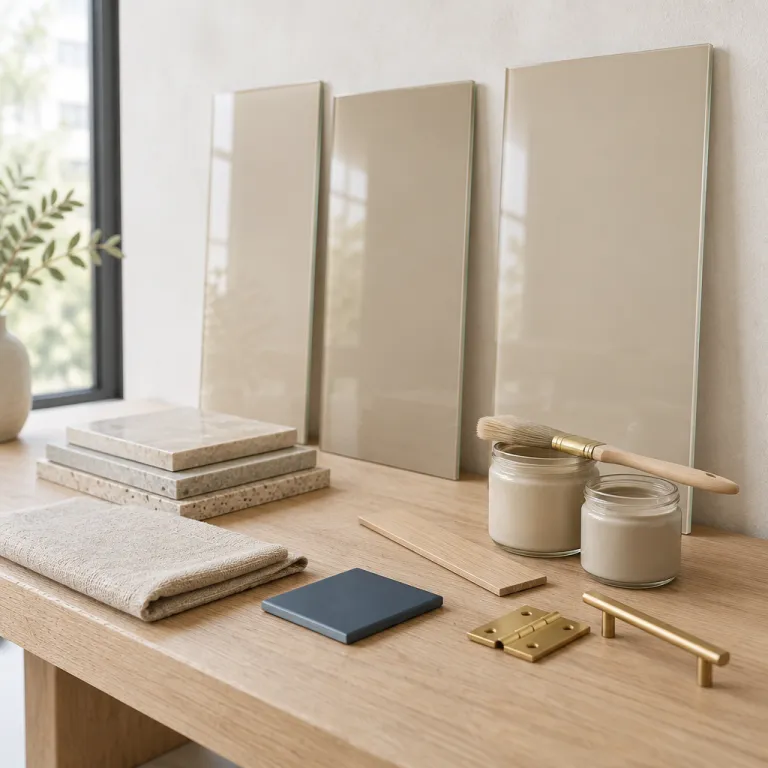
Why beige back painted glass is becoming a quiet luxury essential
Beige back painted glass has moved from niche specification to a quiet luxury staple in high end hospitality projects. This type of painted glass offers a softly reflective, light glossy surface that bridges hard architectural materials and tactile FF&E with remarkable ease. For architects and interior designers, the combination of a neutral beige color and controlled glossy back reflection creates a calm backdrop that still feels unmistakably premium.
Unlike pure translucents back glass solutions, beige back painted finishes deliver a united, opaque appearance that hides substrates, cabling, and technical interfaces while maintaining a refined glass character. When correctly detailed, the glass back surface reads as a continuous plane, allowing interior designs to integrate signage, lighting, and art without visual noise. Asset managers appreciate that this final product is both visually durable and operationally efficient, especially when specified as tempered glass with certified safety backing for high traffic hotel spaces.
In public areas, beige back painted glass panels can replace traditional laminates or stones on walls, columns, and table tops while reducing structural loads. The material’s glossy and sometimes lacquered glass sheen subtly amplifies ambient light, which is particularly valuable in deep floor plates or low ceiling lobbies. For investors and directions techniques, this balance between aesthetic impact and rational performance makes beige back painted glass products a compelling long term specification for contemporary hotel designs.
Technical performance, safety backing and risk management in hospitality environments
For hospitality operators, the appeal of beige back painted glass only holds if the technical performance is rigorously addressed from the first design sketches. Specifying tempered glass with certified safety backing is non negotiable in corridors, lift lobbies, guestroom headboards, and around dining tables where impact risks are high. The combination of a robust glass back substrate and a stable lacquered glass coating ensures that the final product resists thermal shock, cleaning chemicals, and daily luggage impacts.
When working on international portfolios, especially between Europe and the United States, design teams must align local fire, impact, and slip regulations with the chosen glass panels and finishes. In practice, this often means referencing standards such as EN 12150 for thermally toughened safety glass in Europe and ANSI Z97.1 or CPSC 16 CFR 1201 in the United States, and confirming that the painted glass system with its safety backing has been tested accordingly. Painted glass systems with documented performance data simplify approvals, reduce liability, and reassure asset managers who track lifecycle costs closely.
Risk management extends beyond breakage to include guest perception of safety and comfort in every interior. Beige back painted surfaces around coffee stations, buffet counters, and coffee table clusters should be detailed with rounded corners, controlled reflectivity, and non abrasive junctions to adjacent materials. For projects where security and resilience are paramount, many bureaux d’études now evaluate beige back painted glass in parallel with more protective solutions such as vault glass, as explored in this analysis of how advanced glass reshapes hospitality protection and guest experience.
From lobby walls to coffee tables : applications that elevate guest journeys
Beige back painted glass is most persuasive when it choreographs the guest journey from porte cochère to guestroom with a coherent material narrative. In lobbies, large format glass panels in a warm beige color can frame reception desks, concierge points, and lounge zones, creating a unified interior language that feels both contemporary and timeless. The light glossy sheen of the painted glass subtly echoes water surfaces, which pairs elegantly with pool decks and spa areas where the pool itself is treated as a design statement, as shown in this study on how pool materiality shapes guest experience.
In F&B spaces, beige back painted table tops and coffee table compositions can replace traditional stone or veneer, reducing weight while maintaining a luxurious perception. Designers often specify glass lacquered surfaces for bar fronts, back bars, and buffet risers, using custom color gradations of beige colors to zone breakfast, lunch, and evening service. When combined with carefully selected materials such as brushed metals, textured fabrics, and premium rugs, these glossy back planes help define tables and dining tables as sculptural elements rather than mere functional products.
Guestrooms offer another rich field for beige back painted glass applications, from headboards and wardrobe doors to integrated desks and bedside tables. Using a consistent beige back tone across these elements creates a calm, residential atmosphere that supports brand positioning in the upper upscale and luxury segments. For asset managers, the ease of cleaning, stain resistance, and color stability of painted glass surfaces often translates into lower maintenance costs and fewer room outages over the asset’s holding period.
Color strategy, custom color options and coordination with FF&E
Choosing the right beige back tone is not a purely aesthetic exercise ; it is a strategic decision that affects lighting, photography, and brand recognition across the portfolio. A slightly warmer beige color can flatter skin tones in lobby photos and F&B marketing, while a cooler beige back hue may better support corporate palettes and digital content. Design teams should test several color options on full scale glass panels under project lighting conditions before locking the final product specification.
Custom color matching is now standard practice for serious glass lacquered manufacturers, allowing architects and designers to align painted glass with fabrics, carpets, and casegoods. When specifying beige back painted glass for table tops, coffee table clusters, and wall cladding, it is essential to coordinate with FF&E suppliers so that products share a coherent family of colors and gloss levels. This coordination becomes even more critical when integrating other statement materials such as high value rugs and carpets, as explored in this perspective on how premium rugs reshape luxury hospitality design and FF&E strategy.
Gloss level is another powerful lever, especially when working with glossy back finishes in spaces that already feature strong reflections from mirrors, polished stones, or water. A light glossy beige back surface can gently animate a dim corridor, while a more subdued satin lacquered glass may be preferable behind reception desks or in meeting rooms. For investors and directions techniques, these nuanced design decisions influence perceived value, guest comfort, and even the readability of signage and digital content reflected in the glass.
Detailing, fabrication and the path to a reliable final product
Achieving a flawless beige back painted glass installation depends on early collaboration between design teams, bureaux d’études, and specialized glass fabricators. Every painted glass element, from large wall panels to small coffee table inserts, must be detailed with precise tolerances, fixing methods, and expansion joints. When the glass back surface is combined with other materials such as metal frames or stone plinths, differential movement and thermal expansion must be anticipated to protect the lacquered glass coating.
Fabrication sequences also matter, particularly for tempered glass with complex cut outs, notches, or integrated lighting. The glass must be cut, edge finished, and tempered before the back painted process, since any post tempering modification risks compromising both safety and aesthetics. Typical thicknesses for interior beige back painted glass in hospitality range from 6 mm for wall cladding to 10–12 mm for table tops and furniture inlays, with safety backing films or laminated interlayers such as PVB or SGP used where additional protection is required.
Mock ups remain the most reliable way to validate the final product, especially when working with custom color formulations and unusual designs. A full scale prototype of a guestroom wall, including beige back painted glass panels, table tops, dining tables, and integrated lighting, allows stakeholders to assess reflections, joint lines, and cleaning ergonomics. Asset managers and investors should attend these reviews, since their feedback on durability, maintenance, and perceived quality often leads to small but decisive adjustments in materials and detailing.
Procurement, pricing transparency and long term asset value
For procurement teams and asset managers, beige back painted glass sits at the intersection of architectural finishes and FF&E, which can complicate budgeting. Some hotel groups treat large glass panels as part of the base build, while smaller elements such as coffee tables and table tops are purchased as FF&E products. Clarifying this split early allows suppliers to provide a precise quote and helps investors understand where value is created in the design.
Transparent pricing structures for beige back painted glass should distinguish between standard colors and custom color formulations, as well as between stock sizes and fully custom dimensions. Projects that repeat the same painted glass product across guestrooms, corridors, and public spaces often achieve significant economies of scale, especially when the same tempered glass thickness and safety backing specification is maintained. For directions techniques, consolidating these specifications also simplifies maintenance, spare parts management, and future renovations when designs evolve.
Long term asset value is reinforced when beige back painted glass is specified with realistic performance expectations and clear maintenance protocols. Operators should train housekeeping teams on appropriate cleaning products for glossy back and satin lacquered glass finishes to avoid micro scratching and color dulling. When these operational details are aligned with strong initial design intent, beige back painted glass becomes not just a fashionable material, but a resilient contributor to guest satisfaction, RevPAR performance, and brand equity over the full investment horizon.
Key figures and benchmarks for beige back painted glass in hospitality
- According to data from Glass Alliance Europe on thermally toughened safety glass, tempered glass with safety backing used in interior applications can achieve impact resistance up to five times higher than standard annealed glass, which significantly reduces breakage incidents in busy hotel corridors and lobbies.
- Lifecycle assessments published by Glass for Europe indicate that glass products with durable back painted coatings can maintain over 90 % of their original visual quality after more than ten years of regular cleaning, when appropriate detergents and non abrasive tools are used.
- Studies from the International WELL Building Institute show that neutral color palettes, including warm beige tones on large surfaces, can reduce perceived visual stress for occupants, which supports the use of beige back painted glass in guestrooms and wellness areas.
- Hospitality asset management reports from JLL highlight that coordinated material strategies, including consistent glass panels and table tops across room types, can lower renovation costs by up to 15 % at the first major soft refurbishment cycle.
- Research from the American Hotel & Lodging Association notes that easily cleanable hard surfaces, such as lacquered glass and other non porous materials, can reduce room cleaning times by several minutes per stay, which directly improves operational efficiency and labour productivity.
FAQ about beige back painted glass in hotel projects
How does beige back painted glass compare to stone or laminate for wall cladding ?
Beige back painted glass offers a lighter structural load than stone and a more refined, glossy or satin finish than most laminates. It provides a seamless, non porous surface that is easy to clean and resistant to staining, which is valuable in high traffic hospitality spaces. For many projects, the combination of visual depth, color stability, and maintenance performance makes painted glass a strong alternative or complement to traditional cladding materials.
Is beige back painted glass suitable for guestroom headboards and furniture ?
Yes, when specified as tempered glass with appropriate safety backing, beige back painted panels work well for headboards, wardrobe fronts, desks, and table tops. Designers appreciate the ability to match custom color tones across multiple elements while maintaining a consistent light glossy or satin sheen. Operators benefit from the ease of cleaning and the resistance to cosmetics, drinks, and everyday wear that lacquered glass surfaces provide.
Can beige back painted glass be used on dining tables and coffee tables ?
Beige back painted glass is frequently used as an upper surface or inlay for dining tables and coffee tables in hotel restaurants, lounges, and executive clubs. The material must be properly supported, edge protected, and specified with tempered glass to handle impact and thermal shocks from hot dishes. When detailed correctly, these tables combine a luxurious appearance with practical durability and straightforward maintenance routines.
What should be considered when selecting the gloss level and color options ?
Gloss level influences both reflections and perceived color, so designers should test light glossy and satin finishes on site under project lighting. Strong reflections may be undesirable behind reception desks or in meeting rooms, while a slightly glossy back surface can enliven corridors and lift lobbies. Color options within the beige spectrum should be evaluated alongside fabrics, carpets, and metals to ensure a coherent interior palette across all spaces.
How early should suppliers be involved to secure a reliable final product ?
Specialist glass suppliers and fabricators should be involved from the concept or schematic design phase, especially when large glass panels, complex cut outs, or integrated lighting are planned. Early coordination allows the design team, bureaux d’études, and FF&E suppliers to align on thicknesses, fixing methods, safety backing requirements, and realistic lead times. This collaborative approach reduces technical risks, avoids late design changes, and helps ensure that the final product meets both aesthetic and operational expectations.