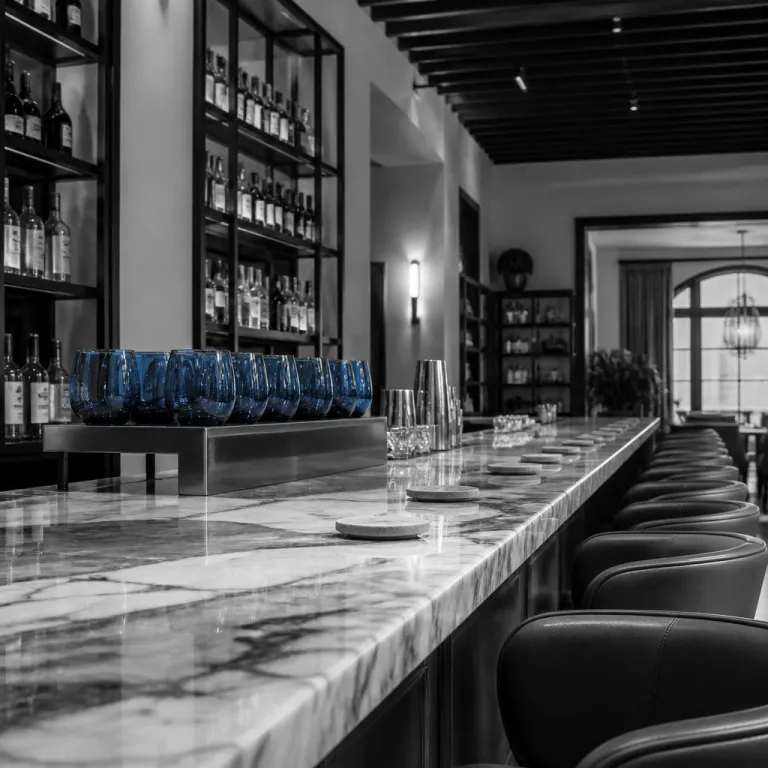
Why zombie glassware matters in hotel FF&E strategy
Zombie glassware sits at the intersection of bar design, guest experience, and FF&E performance. For hospitality architects and designers, the choice of each glass or set of glasses is no longer a decorative afterthought but a lever for revenue and brand storytelling. When you specify a tall, narrow zombie glass instead of a generic tumbler, you influence pour control, visual impact, and even guest dwell time at the bar.
Professionals who manage CAPEX now compare different cocktail glass options with the same rigor they apply to casegoods or lighting. A well curated family of cocktail glasses, including a dedicated zombie glass format, can support menu engineering, upselling, and operational efficiency across several outlets. Internal procurement benchmarks from international hotel groups typically show that glassware can represent 5–10% of annual bar FF&E replacement spend, so asset managers increasingly request data on glass breakage, shipping orders, and replacement cycles to align FF&E with long term value.
From a design narrative perspective, zombie glassware connects directly to tiki culture while remaining versatile enough for rum punches, mojitos, or signature long drinks. The typical height of around 18 cm creates a vertical stage where layered content in the glass remains clearly visible from a distance. When the clear glass profile is combined with a thin wall and a stable base, the result is a cocktail glass that feels premium in the hand yet robust enough for high volume service, as reflected in manufacturer datasheets for commercial long drink glasses.
From tiki heritage to brand signature at scale
The zombie cocktail emerged in mid century tiki bars, and its dedicated glassware followed quickly to support theatrical presentation. Today, specifying zombie glasses in a hotel portfolio is less about nostalgia and more about creating a recognizable brand ritual that guests enjoy and remember. A consistent zombie glass or set of zombie glasses across properties can become as iconic as a branded coffee cup or amenity bottle.
Manufacturers such as Libbey, headquartered in Toledo in the United States, have refined glassblowing and machine pressing to produce durable zombie glass formats for commercial use. Their publicly available product sheets typically indicate capacities in the 35–45 cl range and heights close to 18 cm for long drink glasses, which aligns well with contemporary mixology requirements. These indicative dimensions, drawn from Libbey specification sheets for long drink and zombie style glasses, allow bars to control alcohol units while still presenting a generous, photogenic drink in a slim zombie glass silhouette.
For design teams working on tropical or tiki inspired venues, the choice between highly themed tiki mugs and more understated zombie glassware is strategic. Tiki mugs deliver strong character but can limit menu flexibility, whereas a clear cocktail glass in a zombie profile works for both classic tiki recipes and lighter spritz style drinks. Sustainability and reporting obligations, such as those discussed for design and FF&E teams in CSRD and PEFCR frameworks for hospitality and food service, also push operators toward standardized, long lasting glasses rather than highly specialized novelty pieces that are harder to track and justify in lifecycle assessments.
Technical criteria for specifying zombie glassware in hotel projects
When a project team specifies zombie glassware, the first filter is always technical performance rather than aesthetics alone. Capacity, height, and wall thickness must align with the bar’s cocktail program, ice format, and backbar shelving. A typical zombie glass around 18 cm in height with a thin but reinforced rim balances elegance with resistance to chipping in daily service, according to commercial glassware test protocols.
Designers should request detailed product data sheets that include exact height, diameter, and volume, along with dishwasher safe certifications for commercial machines. In many hotel bars, zombie glasses run through high temperature cycles several times per day, so thermal shock resistance and stackability directly affect breakage rates and long term FF&E cost. Libbey and similar manufacturers generally validate that their zombie glass ranges are dishwasher safe for heavy duty use, which is essential for technical services teams managing maintenance budgets and for compliance with internal hygiene standards.
Procurement teams benefit from structured comparison tools that allow them to compare zombie glass options by price high to low, by price low to high, and by qualitative criteria such as clarity and tactile feel. A strategic FF&E procurement approach, as outlined in guidance on strategic FF&E procurement for hotels, encourages project teams to evaluate glass products not only on unit price but on lifecycle cost and guest impact. In practice, this means balancing a slightly high price for a premium clear glass finish against reduced replacement rates and higher cocktail margins, often illustrated in internal CAPEX models that compare a 10–15% higher purchase price with a 20–30% reduction in annual breakage.
Operational realities: shipping, stock, and breakage management
Behind every elegant zombie glass on a bar counter sits a complex logistics chain that FF&E suppliers and asset managers must control. Shipping fragile glasses across regions or into island resorts requires robust packaging, clear lead times, and contingency stock for breakage in transit. When a hotel group standardizes on a specific zombie glass, it gains leverage to negotiate consolidated shipping orders and to secure ready to ship inventory for refurbishments.
Many international suppliers now offer free shipping thresholds for the United States and selected European markets, which can influence how technical departments phase their orders. However, free shipping rarely means zero cost; it is usually embedded in the product price, so teams should compare landed cost per glass rather than headline figures. For remote destinations, longer transit days and higher risk of damage may justify sourcing a similar zombie glass from a regional distributor, even at a slightly high price per unit, especially when internal logistics data show that long distance shipments can increase in transit breakage by 3–5 percentage points.
On site, bar managers need a clear view of stock levels, breakage patterns, and peak season demand for zombie cocktails and other long drinks. Simple data such as the number of viewed items and actual sales per cocktail glass type can guide future FF&E orders and reduce dead stock. When the same zombie glasses are used across pool bars, rooftop lounges, and lobby outlets, central purchasing can optimize volumes and negotiate better conditions without compromising the design narrative, while asset managers can benchmark annual breakage rates, which often range between 8–15% for busy outlets according to internal hotel reporting.
Guest perception, menu engineering, and digital merchandising
Guests rarely articulate it, but the feel of a glass in the hand shapes their perception of the entire bar. A well balanced zombie glass with a thin rim and a stable base signals care, while a generic tumbler can make even a premium rum punch feel ordinary. The elongated profile of zombie glassware also frames the liquid content in a way that encourages guests to enjoy the visual layering before the first sip, which hospitality surveys often link to higher perceived value scores for signature cocktails.
From a menu engineering perspective, positioning signature drinks in distinctive zombie glasses allows operators to steer guests toward higher margin items. When guests view the bar from a distance, a row of tall, clear cocktails becomes a live merchandising tool that no printed menu can match. Digital channels reinforce this effect, as professional photos of cocktails in elegant cocktail glasses consistently outperform images of the same recipes in anonymous glassware, with many hotel marketing teams reporting higher click through and booking engagement on visuals that highlight distinctive barware.
E commerce platforms that supply hotels increasingly structure their catalogues so buyers can sort zombie glass products by high low price, by price high to low, or even alphabetically by product name. User reviews, especially from other hospitality operators, provide valuable feedback on real world durability, clarity, and dishwasher performance. When FF&E buyers track which zombie glass items become best sellers and which remain rarely viewed items, they can refine future specifications and align them more closely with guest expectations, while also validating manufacturer claims against peer reported experience.
Designing coherent glassware ecosystems across hotel portfolios
For multi property hotel groups, the challenge is not choosing a single beautiful zombie glass but orchestrating a coherent ecosystem of glasses. Architects and designers must align the zombie glass profile with wine glasses, rocks glasses, and water tumblers so that tabletops feel harmonious in both casual and high end outlets. This high low positioning across the glass family allows operators to flex between everyday service and special events without fragmenting the brand language.
One effective approach is to define a core set of cocktail glasses, including at least one zombie glass format, and then layer in a few localized variations for tiki bars or rooftop concepts. The core set remains consistent across the portfolio, simplifying shipping, storage, and replacement, while localized pieces add character where needed. Asset managers appreciate this model because it stabilizes FF&E budgets and reduces the risk of obsolete stock when concepts evolve, as shown in internal case studies where standardized glass families cut SKU counts by 20–30% without reducing guest satisfaction.
In project documentation, it helps to present glassware schedules that show each product with a clear image, technical data, and its role in the guest journey. Teams can then compare options not only on price but on how each glass supports specific touchpoints, from welcome drinks to late night cocktails. Case studies on furniture and FF&E, such as those addressing next generation hotel furniture for efficient human centric properties in specialized design guidance, illustrate how consistent yet flexible standards can scale across brands and regions and can be adapted to glassware specifications.
Sustainability, durability, and lifecycle thinking for zombie glassware
Sustainability expectations now extend to every FF&E category, and glassware is no exception. Durable zombie glass products that survive thousands of dishwasher cycles reduce waste, lower replacement orders, and cut the carbon footprint associated with manufacturing and shipping. For design and engineering teams, specifying robust glasses is therefore both an environmental and a financial decision.
Manufacturers like Libbey have invested in durable glass construction specifically for commercial use, using controlled glass molds and kilns to optimize strength without sacrificing clarity. Their collaboration with bars, restaurants, and retailers has refined the balance between a thin, elegant wall and the impact resistance required in busy hotel environments. When operators evaluate reviews from other professionals, they should pay close attention to comments about chipping, clouding, and long term clarity under heavy use, and compare these observations with manufacturer durability claims and internal housekeeping reports.
Lifecycle thinking also means planning for refurbishment cycles and concept changes without discarding entire inventories of zombie glasses. By choosing timeless, clear glass profiles rather than overly themed designs, hotels can repurpose the same cocktail glass across new menus and seasonal activations. This approach supports both environmental reporting and the long term ROI of the glassware line, aligning operational realities with the creative ambitions of architects and hospitality designers and with CSRD style expectations for documenting product lifespans.
Key figures and technical benchmarks for zombie glassware
- Typical zombie glass capacity for hotel bars is often around 40 cl, which balances alcohol control with perceived generosity for long drinks and layered cocktails (based on indicative Libbey product specifications for long drink and zombie style glasses).
- A common zombie glass height of approximately 18 cm allows for visually striking vertical layering while still fitting standard backbar shelves and underbar glass racks (based on indicative Libbey product specifications and bar equipment rack dimensions).
- Commercial zombie glasses are generally designed to be dishwasher safe in high temperature professional machines, which can run multiple cycles per day in busy hotel outlets (according to manufacturer technical guidance and commercial dishwasher operating manuals).
- Zombie glasses are most frequently used for zombie cocktails, mojitos, and rum punches, making them one of the most versatile long drink formats in contemporary hotel mixology (reported by hospitality operators and suppliers in internal beverage program reviews).
- Manufacturers that focus on durable glass construction for commercial use help hotels reduce breakage rates, which can otherwise account for a significant share of annual bar FF&E replacement budgets (industry procurement benchmarks and internal hotel data often cite 8–15% annual glassware loss in high volume venues).
FAQ about zombie glassware in hospitality projects
What drinks are typically served in zombie glasses in hotels ?
In hotel bars, zombie glasses are primarily used for classic zombie cocktails, mojitos, and rum punches. Many mixologists also use the same glass for signature long drinks that feature layered juices, syrups, and crushed ice. The tall, narrow shape helps showcase color gradients while keeping the drink cold for longer.
Are zombie glasses suitable for commercial dishwashers ?
Most zombie glasses specified for hospitality projects are designed to be dishwasher safe in commercial machines. Manufacturers such as Libbey explicitly test their products for repeated high temperature cycles and thermal shock. Project teams should still verify dishwasher safe certification in each product data sheet before final approval.
Where can hotel operators source zombie glassware ?
Hotel operators usually source zombie glassware through restaurant supply distributors, FF&E procurement specialists, or direct contracts with manufacturers. Online B2B platforms also offer curated selections where buyers can filter by capacity, height, and style. For large projects, it is advisable to secure long term availability commitments to ensure consistent replacement stock.
How does zombie glass design affect guest experience ?
The design of a zombie glass influences how guests perceive both the drink and the venue. A clear, well proportioned glass with a thin rim feels more refined and makes layered cocktails visually appealing. This perceived quality often supports higher menu pricing and stronger guest satisfaction scores.
What drinks are served in zombie glasses? Are zombie glasses dishwasher safe? Where can I buy zombie glasses?
This article has addressed the most common questions about zombie glassware in hotel projects, including typical drinks, dishwasher suitability, and sourcing options for operators, and has highlighted where manufacturer datasheets, procurement benchmarks, and sustainability frameworks can support specification decisions.