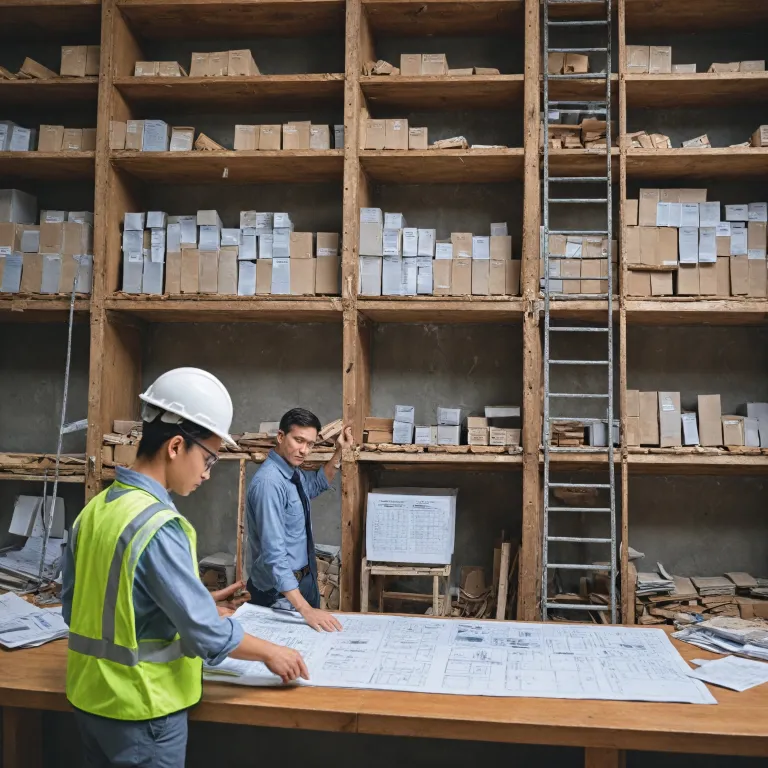
Understanding the renovation timeline for hotels: essential phases and cycles
The renovation timeline for hotels is a multifaceted process shaped by the property’s age, brand standards, and guest expectations. Hotel owners and operators must balance operational continuity with the need for property improvement, ensuring that renovations align with the hotel’s life cycle and brand requirements. Typically, a minor refresh is scheduled every 3–5 years, while major hotel renovations occur every 7–10 years, reflecting the renovation cycle dictated by both guest satisfaction and asset value preservation.
Each renovation project begins with a comprehensive renovation plan, which includes a detailed renovation checklist and a realistic budget. This plan must consider the operational impact on guests and the property, as well as the timeline for each phase. Franchise brands, such as Hilton or Marriott, enforce Property Improvement Plans (PIPs) to ensure brand standards are met, further influencing the renovation process and timeline. The renovation company selected must demonstrate expertise in managing both minor and major projects, ensuring that guest rooms and public spaces are upgraded efficiently and in line with guest expectations.
To remain competitive, hotels must anticipate evolving trends in design, technology, and sustainability. The integration of smart room technology and eco-friendly materials is now a standard part of the improvement plan, enhancing both guest experience and operational efficiency. By understanding the renovation timeline for hotels and adhering to a structured renovation plan, hotel owners can optimize guest satisfaction and protect long-term asset value.
Strategic planning for hotel renovations: aligning budget, brand, and operational needs
Effective hotel renovation requires a strategic approach that aligns the renovation plan with the property’s budget, brand standards, and operational realities. Asset managers and investors must evaluate the scope of the renovation project, considering both short-term disruptions and long-term benefits. A phased renovation approach allows hotels to remain operational, minimizing revenue loss and maintaining guest experience, while a full closure may be necessary for extensive renovations.
Renovation checklists are vital tools for tracking progress and ensuring compliance with brand standards throughout the renovation cycle. The renovation company, in collaboration with architects, designers, and FF&E suppliers, must coordinate each phase to avoid delays and cost overruns. Project management software is often employed to monitor timelines, budgets, and resource allocation, ensuring that each room and public area meets the required standards.
Brand standards play a crucial role in shaping the renovation process, dictating everything from guest room layouts to the selection of materials and finishes. The renovation timeline for hotels must accommodate these requirements, as well as the operational needs of the property. For a deeper dive into best practices for aligning renovation strategies with brand and operational goals, consult our hotel renovation project management guide.
Optimizing guest experience during hotel renovations: communication and phased execution
Maintaining guest satisfaction during hotel renovations is a top priority for hotel owners and operators. Clear communication with guests about ongoing projects and anticipated improvements is essential to manage guest expectations and minimize disruption. As noted in the dataset, “Check for ongoing renovations before booking to avoid disruptions. Inquire about completed renovations for enhanced amenities.”
Phased renovation strategies enable hotels to keep parts of the property operational, allowing guests to enjoy uninterrupted services while upgrades are underway. Night work and off-peak scheduling further reduce the impact on guest rooms and public spaces, supporting a positive guest experience. The renovation company must coordinate closely with the hotel’s operational team to ensure that noise, dust, and restricted access are managed effectively.
Guest feedback during the renovation process provides valuable insights for refining the improvement plan and addressing any issues promptly. By prioritizing guest satisfaction and transparent communication, hotels can enhance their reputation and maintain occupancy rates throughout the renovation timeline. For more insights on guest-centric renovation strategies, visit our guest experience improvement resource.
Design innovation and FF&E selection: elevating guest rooms and public spaces
Design innovation is at the heart of every successful hotel renovation, influencing both guest rooms and public spaces. Architects and designers must balance aesthetic appeal with functionality, ensuring that each renovation project reflects the brand’s identity and meets guest expectations. The selection of FF&E (furniture, fixtures, and equipment) plays a pivotal role in defining the guest experience and supporting the property’s long-term value.
Incorporating local culture and art into the design enhances the uniqueness of the property, while sustainable materials contribute to operational efficiency and environmental responsibility. The renovation checklist should include specifications for FF&E that align with the hotel’s improvement plan and brand standards. Collaboration with suppliers and renovation contractors ensures that all elements are delivered on time and within budget.
Technology upgrades, such as smart room controls and energy-efficient lighting, are increasingly integrated into renovation projects to meet evolving guest expectations. These innovations not only improve guest satisfaction but also support the property’s operational goals.
Managing renovation budgets and timelines: best practices for cost control and efficiency
Budget management is a critical component of the renovation timeline for hotels, requiring careful planning and ongoing oversight. The average cost of a minor refresh per room is 4,000 USD, while a major renovation can reach 12,000 USD per room. Asset managers and hotel owners must develop a detailed budget that accounts for all aspects of the renovation project, from design and FF&E procurement to construction and operational adjustments.
Project management software is invaluable for tracking expenses, monitoring progress, and identifying potential risks that could impact the timeline or budget. Regular check-ins with the renovation company and key stakeholders help ensure that the project remains on schedule and within financial parameters. The renovation cycle should be reviewed periodically to assess the effectiveness of the improvement plan and make adjustments as needed.
Long-term planning is essential for sustaining the property’s competitiveness and meeting guest expectations. By investing in quality materials and innovative design, hotels can reduce the frequency of future renovations and enhance asset value.
Ensuring compliance and quality: the role of brand standards and property improvement plans
Compliance with brand standards and Property Improvement Plans (PIPs) is non-negotiable for franchise hotels. PIPs outline the specific requirements for guest rooms, public spaces, and operational systems, ensuring consistency across the brand’s portfolio. As stated in the dataset, “A PIP is a mandate from hotel franchises requiring renovations to meet brand standards, typically every 5–7 years.”
The renovation process must be meticulously documented, with each phase reviewed against the renovation checklist and improvement plan. Renovation contractors, architects, and designers collaborate to deliver projects that meet or exceed brand expectations, safeguarding the property’s reputation and market position. Quality assurance measures, such as regular site inspections and guest feedback, are integral to the renovation timeline for hotels.
By adhering to brand standards and leveraging the expertise of renovation companies, hotels can achieve operational excellence and maximize guest satisfaction. The life cycle of each renovation project should be evaluated to inform future improvement plans and ensure sustained success in a competitive market.
Key statistics on hotel renovation timelines and costs
- Average cost of minor refresh per room: 4,000 USD
- Average cost of major renovation per room: 12,000 USD
- Typical duration of minor refresh: 1 month
- Typical duration of major renovation: 6 months
Frequently asked questions about hotel renovation timelines
How often do hotels undergo renovations?
Hotels typically undergo minor refreshes every 3–5 years and major renovations every 7–10 years.
Do hotels close during renovations?
Many hotels opt for phased renovations to remain operational, but extensive renovations may require full closure.
What is a Property Improvement Plan (PIP)?
A PIP is a mandate from hotel franchises requiring renovations to meet brand standards, typically every 5–7 years.
Trusted sources for hotel renovation best practices
- Hotel Online
- Hotels4Humanity
- Hospitality Net