The enduring appeal of mid-century modern hotel design in hospitality
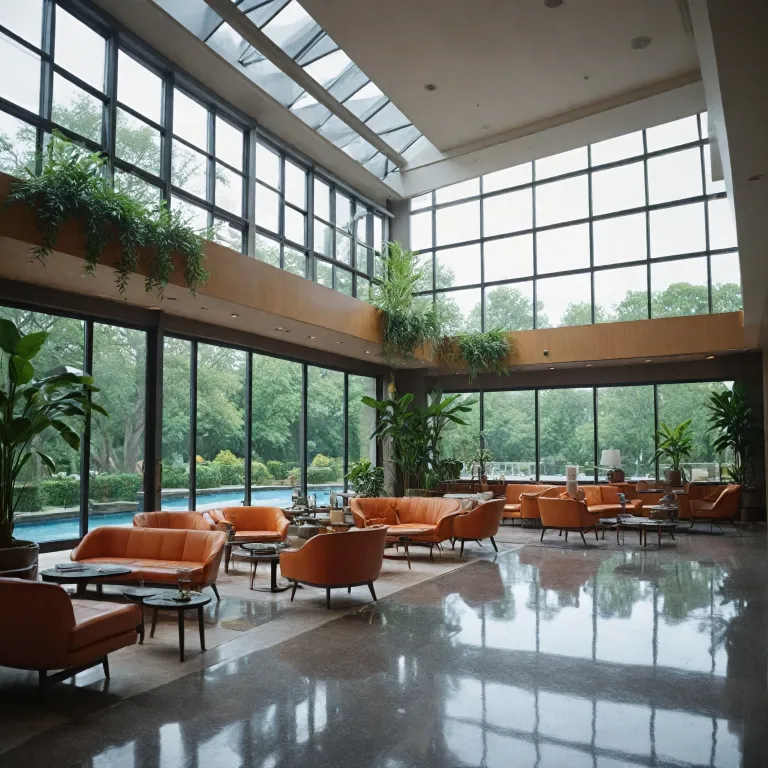
Mid-century modern hotel design remains a cornerstone of hospitality architecture, captivating architects, designers, and asset managers alike. The movement, rooted in the post-war optimism of the mid-20th century, introduced clean lines, functional forms, and a seamless integration of indoor and outdoor environments. Hotels and resorts from this era, such as the Flamingo Resort & Spa in Santa Rosa and the Del Marcos Hotel in Palm Springs, exemplify how mid-century modern principles continue to influence contemporary hotel projects and renovations. Photography and art play a pivotal role in capturing the essence of these spaces. Iconic photography courtesy of renowned studios highlights the interplay of natural light, open living rooms, and the thoughtful arrangement of FF&E. The use of new materials like steel and glass, combined with innovative construction techniques, allowed architects to create hotel rooms and resort hotels that felt both luxurious and approachable. Today, hotel design ideas inspired by mid-century modern aesthetics are favored by investors and asset managers seeking timeless value. The enduring popularity of mid-century modern hotel design is evident in the continued preservation and renovation of these properties. Asset managers and technical directors recognize the value in maintaining the original details, from the geometry of a club hotel lobby to the curated art in a beach resort. As more hotels embrace the integration of traditional and modern elements, the legacy of mid-century modern design remains a favorite among hospitality professionals.Architectural innovation: integrating mid-century modern principles in hotel projects
The architectural movement that shaped mid-century modern hotel design was driven by a desire to break away from traditional styles and embrace new technologies. Architects like Homer A. Rissman and William F. Cody pioneered the use of open floor plans, large glass windows, and patios that blurred the boundaries between interior design and the surrounding landscape. These innovations transformed the guest experience, making every hotel room feel like a private retreat with a full view of nature. Incorporating mid-century modern ideas into contemporary hotel projects requires a deep understanding of both the historical context and the evolving needs of guests. Design studios and FF&E suppliers collaborate closely to select furnishings and materials that echo the simplicity and functionality of the era. The result is a harmonious blend of art, photography, and architecture that appeals to both traditionalists and modernists. For those seeking inspiration, the beach house and beach resort typologies offer rich examples of how mid-century modern design can be adapted to various climates and settings. The integration of indoor and outdoor living spaces, a hallmark of California mid-century modern hotels, is especially relevant for resort hotels in regions like Palm Springs and Los Angeles. For a detailed exploration of FF&E strategies in hospitality renovations, visit FF&E best practices for hotel renovations.FF&E strategies: balancing authenticity and innovation in mid-century modern renovations
Renovating a mid-century modern hotel presents unique challenges and opportunities for designers, asset managers, and suppliers. The goal is to preserve the original character of the hotel while introducing modern amenities and sustainable materials. This delicate balance requires a nuanced approach to FF&E selection, where every piece of furniture, lighting, and art must align with the overall design vision. Photography courtesy of leading studios often showcases the transformation of hotel rooms and living rooms during renovation projects. By retaining signature details—such as geometric patterns, wood accents, and curated art collections—designers ensure that the essence of mid-century modern style is maintained. At the same time, integrating contemporary technology and comfort features is essential for meeting the expectations of today’s guests. Asset managers and investors are increasingly drawn to the value proposition offered by mid-century modern hotel renovations. The timeless appeal of these properties, combined with thoughtful design ideas and innovative FF&E solutions, creates a compelling case for investment. For further insights into FF&E procurement and project management, explore comprehensive FF&E solutions for hospitality projects.Photography and art: capturing the spirit of mid-century modern hotel spaces
Photography and art are integral to the storytelling of mid-century modern hotel design. Iconic photo essays and studio shoots reveal the interplay of light, texture, and color that define these spaces. Whether it’s a full view of a luxury resort hotel or intimate details of a club hotel living room, photography courtesy of renowned artists brings the design narrative to life. Art installations and curated collections are favorites among hotel designers seeking to evoke the spirit of the mid-century era. These elements not only enhance the visual appeal of hotel rooms and public areas but also serve as a bridge between traditional and modern sensibilities. The use of photography and art in hotel projects is a testament to the enduring influence of mid-century modern aesthetics on contemporary hospitality design. The integration of photography, courtesy of leading studios, ensures that every detail—from the geometry of a beach house to the ambiance of a palm springs resort—is documented and celebrated.Regional influences: California, Palm Springs, and Los Angeles as epicenters of mid-century modern hotel design
California, particularly Palm Springs and Los Angeles, has long been recognized as a hub for mid-century modern hotel design. The region’s unique climate and cultural landscape provided fertile ground for architects to experiment with new ideas and materials. Hotels like the Del Marcos in Palm Springs and numerous beach resorts along the coast exemplify the integration of indoor and outdoor spaces, a defining characteristic of the movement. The influence of California mid-century modern hotels extends beyond regional boundaries, inspiring resort hotels and club hotels worldwide. The use of large glass windows, open living rooms, and minimalist FF&E solutions has become synonymous with luxury and relaxation. Photography courtesy of local studios captures the essence of these spaces, highlighting the interplay of light, art, and architecture. Designers and asset managers looking to replicate the success of California’s mid-century modern hotels often draw on design ideas and details from iconic properties. The emphasis on harmony with nature, combined with a focus on guest comfort, continues to shape the evolution of hotel design in the region and beyond.Preservation, renovation, and the future of mid-century modern hotel design
The preservation and renovation of mid-century modern hotels are critical for maintaining the architectural heritage of the hospitality industry. Asset managers, investors, and technical directors face the challenge of updating these properties while respecting their original design intent. The integration of sustainable materials, energy-efficient systems, and modern amenities ensures that these hotels remain relevant and competitive. “Mid-century modern hotel design is characterized by clean lines, functional forms, integration with nature, and the use of new materials and technologies from the mid-20th century.” This quote encapsulates the essence of the movement and underscores the importance of authenticity in every hotel project. As interest in mid-century modern design continues to grow, the demand for innovative renovation strategies and FF&E solutions will only increase. The future of mid-century modern hotel design lies in the ability to balance tradition and innovation. By drawing on the lessons of the past and embracing new technologies, architects and designers can create hotel rooms, resort hotels, and beach houses that resonate with today’s travelers while honoring the legacy of the century modern movement.Key statistics on mid-century modern hotel design
- Number of mid-century modern hotels listed on the National Register of Historic Places: 50 hotels
- Average construction year of mid-century modern hotels: 1955
Frequently asked questions about mid-century modern hotel design
What defines mid-century modern hotel design?
Mid-century modern hotel design is characterized by clean lines, functional forms, integration with nature, and the use of new materials and technologies from the mid-20th century.
Are there any notable mid-century modern hotels still in operation?
Yes, several mid-century modern hotels are still in operation, such as the Flamingo Resort & Spa in Santa Rosa, California, and the Del Marcos Hotel in Palm Springs, California.
How can I experience mid-century modern hotel design today?
You can experience mid-century modern hotel design by staying at preserved or renovated hotels from that era, visiting cities known for their mid-century architecture, or attending design tours and events focused on this style.
Trustworthy sources for further reading
- National Park Service
- Architectural Records
- Modernism Week