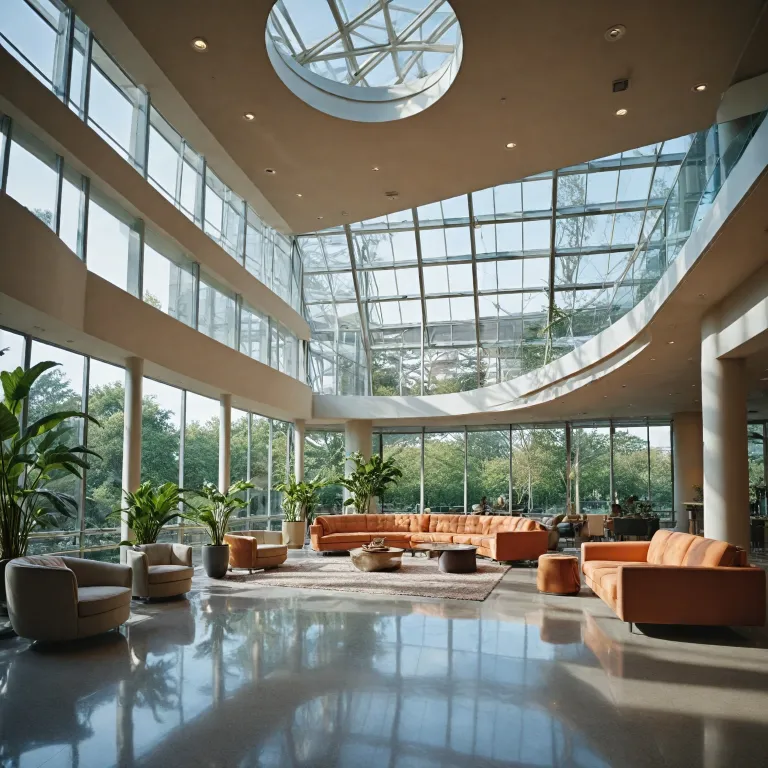
Visionaries redefining hotel and restaurant design in the hospitality industry
Within the hospitality industry, the impact of famous architects and designers is profound, shaping guest experiences and setting new benchmarks for hotel and restaurant design. The work of renowned figures such as Hernan Zanghellini, Wing T. Chao, Philippe Starck, and Bill Bensley demonstrates how design firms and individual designers transform spaces into immersive environments. These architects and designers have reimagined hotels and restaurants in cities like Chicago and San Francisco, infusing each project with unique character and a sense of place. Their approach to hospitality design emphasizes not only aesthetics but also the creation of memorable guest experiences, blending luxury with functionality.
Design firms specializing in hospitality design are instrumental in creating spaces that reflect the evolving needs of the hospitality industry. The integration of advanced technologies, sustainable materials, and bespoke furnishings ensures that every hotel, restaurant, and dining area delivers a distinctive hospitality experience. The director hospitality roles within these firms guide the vision and execution, ensuring that each project aligns with the brand’s identity and the expectations of discerning guests. The influence of famous architects in the hospitality industry is evident in the transformation of luxury hotels and restaurants worldwide, where the guest experience is elevated through thoughtful design and meticulous attention to detail.
By collaborating with hospitality brands, local artisans, and suppliers of FF&E, these designers and design firms create environments that are both innovative and rooted in local culture. The result is a portfolio of work that not only enhances the reputation of the hospitality industry but also sets new standards for future hospitality projects. The legacy of these architects is seen in the way they shape the future of hotel design, restaurant design, and the overall hospitality experience, ensuring that each space offers something truly unique.
Signature projects and the evolution of luxury hotels
The evolution of luxury hotels owes much to the creative vision of famous architects in the hospitality industry. Projects by Bill Bensley, who has completed over 200 hospitality projects in 50 countries, exemplify the power of unique design in creating unforgettable guest experiences. His imaginative approach to hotel design and resort spaces has redefined what it means to offer luxury in hospitality. Similarly, Philippe Starck’s work on iconic hotels such as the Royalton in New York and the Delano in Miami showcases how interior design and architecture can transform hotels into destinations in their own right.
In Chicago, design firms have played a pivotal role in revitalizing historic hotels and introducing contemporary elements that appeal to modern travelers. The work of Herzog & de Meuron on Basel’s Les Trois Rois hotel is a testament to the enduring appeal of blending old-world charm with modern luxury. Their approach to hospitality design demonstrates how thoughtful restoration and innovative design can coexist, offering guests a unique hospitality experience that honors the past while embracing the future. For those interested in exploring more about the evolution of luxury hotels and the role of design, the resource on luxury hotel renovation strategies provides valuable insights.
Designers like Kelly Wearstler and Jean Michel Gathy have also left an indelible mark on the hospitality industry, creating spaces that are both visually stunning and highly functional. Their work with leading hotel brands and restaurant groups highlights the importance of collaboration between designers, directors, and hospitality brands in shaping the future of hospitality. The integration of unique design elements, advanced technology, and sustainable practices ensures that luxury hotels continue to set new standards for guest experiences and hospitality design.
Innovative approaches to restaurant design and guest experiences
Restaurant design within the hospitality industry has seen a significant transformation, driven by the creativity and expertise of famous architects and designers. Adam D. Tihany, recognized as a pioneer in restaurant design, has contributed to the evolution of dining spaces by focusing on the interplay between form, function, and guest experience. His projects demonstrate how thoughtful design can enhance the ambiance and functionality of restaurants, making them integral to the overall hospitality experience.
Design firms specializing in restaurant design understand the importance of creating spaces that cater to diverse dining experiences. Whether in luxury hotels or standalone venues, the integration of unique materials, lighting, and spatial arrangements contributes to memorable guest experiences. In cities like San Francisco and Chicago, restaurant designers collaborate closely with chefs, directors, and hospitality brands to ensure that each dining space reflects the brand’s identity and meets the expectations of discerning guests. For a deeper understanding of how innovative design shapes restaurant experiences, the article on cutting-edge restaurant design trends offers practical examples and expert perspectives.
The hospitality industry’s focus on creating immersive dining experiences is evident in the work of designers like Martin Brudnizki and Philippe Maidenberg. Their ability to blend interior design with the operational needs of restaurants ensures that each project delivers a seamless hospitality experience. By prioritizing guest experience and integrating feedback from asset managers, investors, and FF&E suppliers, these designers set new benchmarks for restaurant design within the hospitality sector.
Shaping the future of hospitality through sustainable and localized design
The future of hospitality is being shaped by a growing emphasis on sustainability and the creation of localized guest experiences. Famous architects in the hospitality industry are leading the way by integrating eco-friendly materials, energy-efficient technologies, and culturally relevant design elements into their projects. This approach not only enhances the appeal of hotels and restaurants but also aligns with the values of modern travelers who seek authentic and responsible hospitality experiences.
Design firms and hotel designers are increasingly collaborating with local artisans and craftsmen to create bespoke furnishings and decor that reflect the unique character of each destination. This commitment to localized design ensures that every hotel, restaurant, and dining space offers a distinct hospitality experience, setting it apart from generic offerings. The director hospitality roles within these firms play a crucial part in guiding these initiatives, ensuring that sustainability and authenticity remain at the forefront of every project.
By embracing sustainable practices and prioritizing the guest experience, architects and designers are not only meeting the demands of the present but also shaping the future of hospitality. The integration of advanced technologies, such as smart room controls and energy management systems, further enhances the functionality and appeal of hospitality spaces.
The role of collaboration and leadership in hospitality design firms
Collaboration is at the heart of successful hospitality design, with architects, designers, directors, and hospitality brands working together to create spaces that exceed guest expectations. The leadership of director hospitality professionals ensures that each project is executed with precision, aligning design concepts with operational requirements and brand values. Design firms specializing in hospitality design bring together multidisciplinary teams, including interior designers, architects, and FF&E suppliers, to deliver cohesive and innovative solutions.
Famous architects in the hospitality industry, such as Bill Bensley and Kelly Wearstler, exemplify the power of collaboration in achieving outstanding results. Their ability to work closely with clients, contractors, and local communities ensures that each project reflects a shared vision and delivers a unique hospitality experience. The integration of feedback from asset managers, investors, and technical directors further enhances the quality and functionality of hotel and restaurant spaces.
By fostering a culture of collaboration and continuous improvement, hospitality design firms are able to adapt to changing market trends and guest preferences. This approach not only strengthens the reputation of the hospitality industry but also ensures that each project sets new standards for design, sustainability, and guest experience. The work of these architects and designers serves as a blueprint for future hospitality projects, inspiring the next generation of professionals to push the boundaries of what is possible in hotel and restaurant design.
Iconic designers and their influence on global hospitality experiences
The influence of iconic designers on the global hospitality industry is evident in the diversity and innovation of hotel and restaurant projects worldwide. Figures such as Kelly Wearstler, Jean Michel Gathy, and Martin Brudnizki have redefined the standards of luxury and comfort, creating spaces that resonate with guests and elevate the overall hospitality experience. Their work spans continents, from the vibrant hotels of San Francisco to the sophisticated dining venues of Chicago, each project reflecting a unique blend of creativity and expertise.
Designers and design firms specializing in hospitality design are adept at translating brand identities into physical spaces that engage and inspire guests. The integration of unique design elements, advanced technologies, and sustainable practices ensures that each project delivers a memorable guest experience. As the hospitality industry continues to evolve, the contributions of these designers will remain central to shaping the future of hotel and restaurant design.
"Notable architects include Hernan Zanghellini, Wing T. Chao, Philippe Starck, Philippe Maidenberg, Adam D. Tihany, Bill Bensley, Martin Brudnizki, Herzog & de Meuron, and Frank Gehry." This quote highlights the breadth of talent and expertise driving innovation in hospitality design. Their collective work serves as a testament to the transformative power of design in creating exceptional hospitality experiences for guests around the world.
Measuring impact: statistics and trends in hospitality architecture
The measurable impact of famous architects in the hospitality industry is reflected in the number and scale of projects completed worldwide. Hernan Zanghellini, for example, has designed over 750 restaurants, bars, and hotels across Asia, demonstrating the far-reaching influence of his work. Bill Bensley’s portfolio includes more than 200 hospitality projects in 50 countries, showcasing the global demand for unique and imaginative resort design. Wing T. Chao’s 37-year tenure at Disney resulted in over 100 projects, including landmark hotels and resorts that continue to set industry standards.
These statistics underscore the significant role that architects and designers play in shaping the hospitality industry. The ongoing evolution of hotel design, restaurant design, and hospitality spaces is driven by a commitment to innovation, sustainability, and guest experience. As the industry looks to the future, the contributions of these architects and design firms will continue to inspire new generations of professionals and set benchmarks for excellence in hospitality design.
The integration of advanced technologies, sustainable materials, and culturally relevant design elements ensures that each project not only meets but exceeds the expectations of guests, investors, and hospitality brands. The future of hospitality architecture is bright, with famous architects and designers leading the way in creating spaces that are both beautiful and functional, delivering unparalleled guest experiences around the world.
Key statistics on famous architects in hospitality industry
- Hernan Zanghellini has completed over 750 hospitality projects, including restaurants, bars, and hotels across Asia.
- Bill Bensley’s portfolio features more than 200 hospitality projects in 50 countries, emphasizing unique and imaginative resort design.
- Wing T. Chao led over 100 projects during his 37-year tenure at Disney, including landmark hotels and luxury resorts.
Frequently asked questions about famous architects in hospitality industry
Who are some famous architects in the hospitality industry?
Notable architects include Hernan Zanghellini, Wing T. Chao, Philippe Starck, Philippe Maidenberg, Adam D. Tihany, Bill Bensley, Martin Brudnizki, Herzog & de Meuron, and Frank Gehry.
What are some iconic hotel designs by Philippe Starck?
Philippe Starck designed the Royalton Hotel in New York City and the Delano in Miami, among others.
How has Bill Bensley influenced resort design?
Bill Bensley is known for his imaginative and unique resort designs, having completed over 200 hospitality projects in 50 countries.