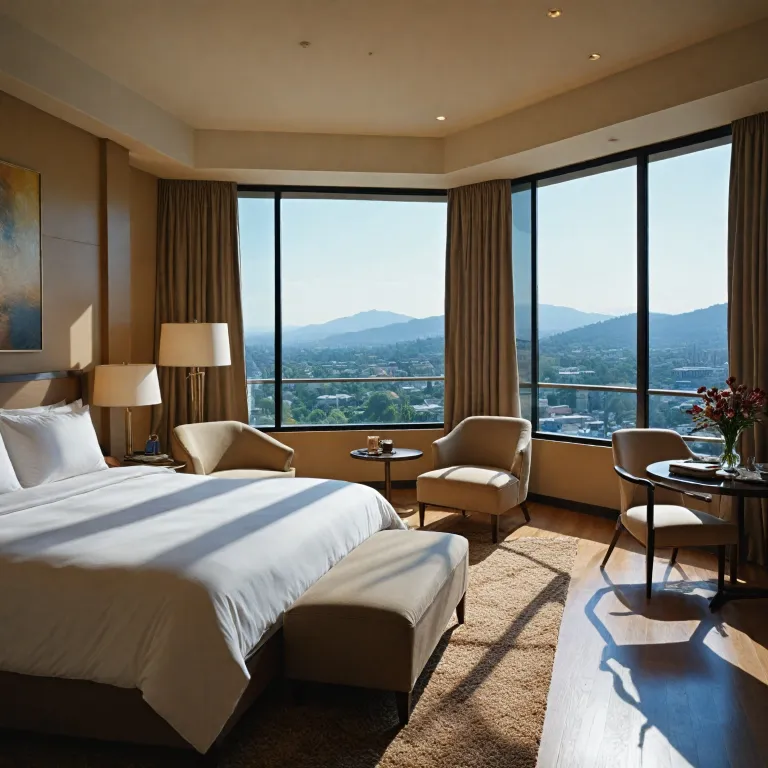
Integrating biophilic design and natural light for enhanced guest comfort
Biophilic design is transforming hotel room interiors by connecting guests with nature. Incorporating natural light through expansive windows and skylights creates a sense of openness and tranquility in hotel rooms. Designers are utilizing sustainable materials such as locally sourced wood, stone, and organic textiles to reinforce the connection to the environment and promote well-being. The thoughtful placement of indoor plants and green walls in room designs not only improves air quality but also adds a refreshing aesthetic. Maximizing natural light in hotel spaces reduces the need for artificial lighting, supporting energy efficiency and sustainability. These design ideas are particularly effective in small hotel rooms, where clever use of light and greenery can make spaces feel larger and more inviting. Furniture selection plays a crucial role in biophilic interiors. Wall mounted storage and multifunctional furniture help maintain an uncluttered space, allowing the design to focus on natural elements. The hospitality industry is increasingly prioritizing guest experience by integrating biophilic principles, which are proven to enhance relaxation and satisfaction. As hotels compete to create memorable environments, biophilic design remains a key trend in interior design.Smart technology and lighting solutions in hotel room design
The integration of smart technology is redefining hotel room design, offering guests personalized control over their environment. Automated lighting systems allow guests to adjust light intensity and color temperature, creating a tailored ambiance for relaxation or productivity. Smart thermostats and voice-activated controls further enhance the guest experience by providing intuitive, user-friendly interfaces. Hotels are adopting smart room technologies at an unprecedented rate, with a 35% increase reported in recent years. These innovations are not limited to luxury hotels; even small hotels are implementing smart solutions to differentiate their offerings. Lighting design is central to this evolution, as layered lighting schemes—combining ambient, task, and accent lighting—enable flexible use of hotel spaces. Furniture manufacturers are collaborating with designers to develop integrated solutions, such as bedside tables with wireless charging and built-in lighting controls. The use of sustainable materials in lighting fixtures supports the hospitality industry’s commitment to eco-friendly practices.Maximizing small hotel rooms with multifunctional furniture and storage
Space optimization is a critical challenge in hotel room interior design, especially for small hotels and boutique properties. Designers are embracing multifunctional furniture to create flexible living room areas within compact hotel rooms. Wall mounted desks, fold-away beds, and modular seating allow spaces to adapt to different guest needs throughout the day. Storage solutions are evolving, with under-bed drawers, built-in wardrobes, and concealed shelving helping to maintain a clean, uncluttered look. These decorating ideas not only enhance the visual appeal of hotel rooms but also improve functionality, supporting a seamless guest experience. The use of light colors and reflective surfaces amplifies natural light, making small spaces appear larger and more inviting. Sustainable materials remain a priority, with furniture manufacturers offering eco-friendly options that align with the hospitality industry’s sustainability goals. For asset managers and investors, efficient space planning and innovative storage are key differentiators in competitive markets.Celebrating local culture and art deco influences in hotel interiors
Integrating local culture into hotel room design adds authenticity and a sense of place, enriching the guest experience. Art deco motifs, regional artwork, and locally crafted furniture infuse hotel spaces with character and sophistication. These design ideas are particularly effective in luxury hotels seeking to create a unique identity. Collaborations with local artisans allow hotels to showcase traditional craftsmanship while supporting the community. Wall mounted art installations and bespoke decorative elements serve as focal points in room designs, enhancing the overall aesthetic. The use of sustainable, locally sourced materials further reinforces the commitment to responsible hospitality. Lighting design plays a pivotal role in highlighting cultural features, with accent lighting drawing attention to art pieces and architectural details. By celebrating local heritage, hotels can differentiate themselves in the hospitality industry and foster deeper connections with guests.Innovative floor plans and sustainable materials for future-ready hotel rooms
The evolution of hotel room design is marked by innovative floor plans that prioritize flexibility and sustainability. Open-plan layouts encourage seamless transitions between sleeping, living, and working spaces, catering to the diverse needs of modern travelers. Movable partitions and sliding doors offer privacy without sacrificing the sense of openness in hotel rooms. Sustainable materials are at the forefront of design trends, with recycled wood, low-VOC paints, and eco-friendly textiles becoming standard in new hotel projects. The hospitality industry is responding to a 50% growth in demand for sustainable hotel designs, reflecting shifting guest preferences. Designers are leveraging computer-aided design tools and virtual reality to visualize and refine floor plans, ensuring optimal use of space and resources. Furniture manufacturers are innovating with modular pieces that can be reconfigured to suit different room designs, enhancing operational flexibility for hotel owners. The integration of smart technology and sustainable materials positions hotels to meet future challenges while delivering exceptional guest experiences.Personalized guest experience through design and technology integration
Personalization is a defining feature of contemporary hotel room interior design ideas. By leveraging guest feedback and data, designers and hotel owners can tailor spaces to individual preferences, from lighting and temperature to room decor and amenities. Smart home devices and automation systems enable guests to control every aspect of their environment, fostering a sense of comfort and autonomy. Collaborative workshops between designers, hotel owners, and technology providers are driving innovation in guest-centric design. The hospitality industry is embracing a holistic approach, blending traditional aesthetics with cutting-edge technology to create memorable experiences. As one expert states, "Hotels are integrating smart room technologies, such as voice-controlled devices, personalized lighting, and automated climate control, to provide customized comfort for guests." This commitment to personalization not only enhances guest satisfaction but also strengthens brand loyalty and reputation. Asset managers and investors recognize the value of investing in design ideas that prioritize the guest experience. As hotels continue to evolve, the integration of design, technology, and sustainability will remain central to their success.Key statistics on hotel room interior design trends
- 35% increase in hotels adopting smart room technologies (Hospitality Technology Report 2025)
- 50% growth in demand for sustainable hotel designs (Green Hospitality Survey 2024)
Frequently asked questions about hotel room interior design ideas
What is biophilic design in hotel interiors?
Biophilic design involves incorporating natural elements like plants, natural light, and organic materials into hotel interiors to create a connection with nature.
How are hotels using technology to enhance guest experiences?
Hotels are integrating smart room technologies, such as voice-controlled devices, personalized lighting, and automated climate control, to provide customized comfort for guests.
Why is sustainability important in hotel interior design?
Sustainable design practices reduce environmental impact, promote local culture, and meet the growing demand from eco-conscious travelers.
Trusted sources for hotel room interior design ideas
- www.archdaily.com
- www.hospitalitynet.org
- www.dezeen.com