Authenticity in hotel design trends: materials, patina and the end of fake luxury
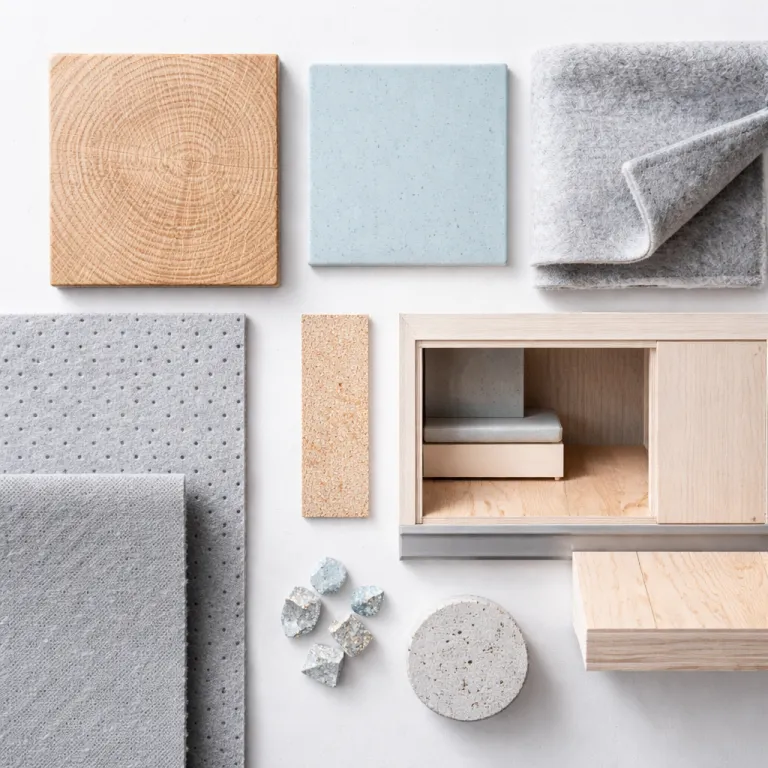
Authenticity has shifted from marketing slogan to hard design brief in hospitality design. For architects and interior design équipes, the most resilient hotel design trends now start with materials that age honestly and support a differentiated guest experience over time. That means specifying stone, timber and metals that can patinate gracefully in hospitality spaces instead of laminates that look tired after one high season.
Across boutique hotels and larger hotels, honed stone, cork, solid timber and full grain leather are replacing high gloss finishes that never felt credible to discerning guests. These materials are not just aesthetic choices; they are strategic tools for creating interiors where guests feel a tangible connection between design architecture, local culture and the story the hotel wants to tell. When you select materials that can be repaired, refinished and reused, you also protect long term asset value while aligning with eco friendly expectations in the hospitality industry, as seen in projects such as the Ace Hotel Kyoto by Kengo Kuma and Commune Design (opened 2020), where exposed concrete, cedar and handmade tiles are allowed to wear in rather than wear out and support strong occupancy performance.
For a boutique hotel repositioning, this authenticity lens should start at the arrival sequence and continue into every hotel room. In public spaces, hotels create a stronger guest experience when the stone on the bar front matches the terrazzo grain in the lobby floor and the patina of the handrail, so the place reads as one coherent narrative. In guestrooms, a wellness focused palette of natural materials, warm textiles and tactile switches helps guests feel grounded, while the absence of plastic veneers signals that the hotel design is built to last, not to be replaced with the next short lived trends or the next refurbishment cycle.
Resonance with local culture: sourcing, art budgets and the warm minimalism shift
Resonance is what happens when hospitality spaces feel specific to their city rather than to a brand guideline PDF. The most effective hotel design trends now use local culture as a design system, from locally quarried stone to regional textiles and collaborations with neighbourhood makers. This is not about folklore; it is about creating interiors where guests feel the city before they step outside and can recognise a distinct sense of place in every hospitality space.
For design teams, that resonance requires a real budget line for art, commissions and local sourcing, not just a vague promise in the concept deck. Allocating even 1 to 2% of construction cost to local artists and fabricators can transform a generic lobby into a hospitality design statement that performs strongly on social media without being designed only for the camera. When boutique hotels invest in local ceramics, custom metalwork and joinery, they create sense of place that supports rate premiums and repeat guest experiences, as seen in properties where locally commissioned art programmes have been linked to higher guest satisfaction scores in post stay surveys.
The warm minimalism shift is the visual language that often carries this resonance in both boutique hotel projects and larger hotels. Instead of cold beige minimalism, operators are moving toward warmer colour temperatures, textured paints, smoked timber and bronze toned metals that make guests feel welcome rather than intimidated, as detailed in many lobby design checklists such as the operator’s guide to refusing beige minimalism in lobby design. In guestrooms, this means specifying 2700–3000 K lighting, woven wallcoverings and layered textiles, so the hotel room supports both wellness and Instagram without sacrificing durability or operational efficiency, and aligns with guest preference data showing higher comfort ratings in warmer, layered interiors.
Resilience in wellness focused guestrooms: layouts, durability and invisible systems
Resilience in current hotel design trends is not only about robust materials; it is about layouts and systems that can flex with changing guest expectations. DLR Group’s hospitality research on wellness driven hotels highlights a significant rise in projects where guest rooms double as micro wellness spaces, and that shift is visible in how hotels create guest rooms that support movement, work and recovery. Their published insights note that wellness is now a core design driver in a growing share of new build and renovation briefs, with owners expecting measurable uplift in guest satisfaction and RevPAR. The challenge for design architecture teams is to integrate wellness without compromising housekeeping efficiency or long term maintenance.
Invisible wellness systems are now a baseline expectation in upper midscale and above, from air quality monitoring to acoustic design and circadian lighting. Recent hospitality trend reports describe how hotels are integrating wellness through lighting, sound, air quality and tactile comfort systems, and these tools must be coordinated early between design, MEP and operations. When wellness infrastructure is embedded in joinery and ceilings rather than added as gadgets, guests feel the benefits without seeing the hardware, and the hotel protects both aesthetics and ROI by avoiding costly retrofits.
Neuro aesthetic thinking is also entering mainstream hospitality design, with Hackrea’s analysis of hotel interiors noting a measurable rise in properties implementing neuro aesthetic principles and sensory design strategies. In practice, this means creating experiences where colour, texture and light are tuned to reduce stress and support sleep, especially in urban boutique hotels exposed to noise and light pollution. For asset managers, resilient wellness focused design is the intersection where durable materials, flexible furniture layouts and invisible systems extend lifecycle while still delivering a differentiated guest experience that can justify rate growth in competitive markets like Paris, as analysed in recent Paris hospitality renovation benchmarks that track ADR and occupancy shifts after design upgrades.
Maximalism with impact: calibrated boldness, media ready moments and operational reality
Maximalism has returned to hospitality, but the data shows it is a strategic, not chaotic, move. DesignMyNight’s trend reporting on experiential venues points to a clear increase in hotels adopting maximalist design, with their 2023 brief highlighting immersive interiors as a key driver of bookings and social media engagement, indicating that maximalism with impact is now a mainstream tactic. For architects and designers, the question is where maximalism supports the guest experience and where it simply adds cost and visual noise.
In arrival zones, bars and signature suites, maximalist interior design can create experiences that anchor the brand story and drive social media coverage. Statement colour, pattern and art in these spaces can be balanced by calmer hotel room palettes, so guests feel both stimulated and able to rest during their stay. The key is creating a hierarchy of intensity, where public interiors carry the strongest visual identity while back of house and circulation remain legible and easy to maintain, and where FF&E specifications reflect realistic cleaning and replacement cycles.
From an FF&E perspective, maximalism with impact means investing in a few high quality, durable pieces rather than filling the place with fragile décor. Patterned stone, custom rugs and sculptural lighting can carry the narrative, while seating and casegoods remain robust enough for heavy hospitality industry use. When hotels create these focal points with real materials and craftsmanship, they avoid the trap of trend chasing and instead align with the broader trends shaping guest expectations around authenticity, resonance and resilience, which in turn supports stronger review scores and repeat visitation.
Muted technology and biophilic design: when devices disappear into the joinery
Muted technology is one of the most significant hotel design trends for operators tired of rooms that age at the speed of consumer electronics. Guests still expect seamless connectivity, but they no longer want to sleep in a showroom of blinking devices and exposed cables. For design architecture teams, the task is to integrate technology into joinery, headboards and wardrobes so that the hardware disappears and the experience remains, while still allowing for future upgrades.
Smart lighting, integrated sound and discreet charging are now standard in many boutique hotels, yet the most advanced projects hide these systems behind timber panels and fabric wrapped walls. This approach aligns naturally with biophilic design, where natural materials, views and planting are used to create sense of calm and connection to nature in hospitality spaces. When technology is muted and biophilic elements are foregrounded, guests feel less cognitive load and more wellness, even in compact urban hotel rooms, and post stay surveys often record higher relaxation scores in these environments.
Invisible wellness systems also intersect with this muted technology approach, as air quality sensors, acoustic treatments and climate controls are embedded rather than displayed. Recent analyses of emerging hotel design trends describe how hotels are implementing wellness focused infrastructure using smart lighting systems, sustainable building materials and acoustic design elements, and these tools work best when they are not visually dominant. For asset managers and technical directors, this strategy reduces the risk of rapid obsolescence, since joinery and interiors can outlast several generations of devices while still supporting evolving guest experiences and technology standards.
Case studies, missed opportunities and how ownership shapes hotel design trends
Three types of projects already embody these hotel design trends; adaptive reuse boutique hotels in historic buildings, wellness focused urban hotels and resort properties that treat biophilic design as infrastructure rather than decoration. In adaptive reuse, the most successful hospitality design strategies retain original materials and volumes while inserting contemporary interiors that respect the building’s character. This approach not only creates sense of place but also aligns with eco friendly goals by reducing demolition and new construction, and case studies frequently report construction waste reductions and improved community perception.
Wellness focused urban hotels are using flexible layouts, sliding partitions and modular furniture to create guest rooms that shift between work, sleep and movement. These hotels create experiences where a single room can host yoga in the morning, laptop work in the afternoon and a quiet, dark sleep environment at night, supported by neuro aesthetic lighting and acoustic control. Analysts are rewarding these properties with higher performance expectations, while penalising hotels that still deliver rigid layouts, cold lighting and no meaningful wellness offer, and benchmarking reports increasingly highlight wellness as a differentiator in competitive city markets.
Ownership structure is a critical, often under discussed, driver of how deeply a property can engage with these trends shaping the market. As explored in depth in this analysis of how ownership models shape architecture, design and FF&E strategies, asset managers and investors who take a long view are more willing to fund durable materials, biophilic design and muted technology that protect value over time. Conversely, properties focused on short term exit timelines often under invest in hospitality design, leading to interiors that date quickly and are punished by both guests and analysts for missing the shift toward authenticity, resonance and resilience, as reflected in lower review scores and discounted valuations.
Key statistics shaping current hotel design trends
- DesignMyNight’s hospitality trend brief on immersive venues highlights a marked increase in hotels adopting maximalist design, indicating that maximalism with impact is moving from niche experiment to mainstream strategy in hospitality spaces and contributing to higher engagement on social channels.
- DLR Group’s published insights on wellness focused hotel design document sustained growth in projects where wellness is integrated into guestrooms and public areas, confirming that wellness is now a core pillar of hotel design rather than an optional spa add on, and linking this shift to improved guest satisfaction metrics.
- Hackrea’s reporting on neuro aesthetic interiors notes a clear rise in hotels implementing neuro aesthetic principles, showing that guest experience is increasingly informed by neuroscience and sensory design rather than purely visual styling, with properties reporting calmer, more restorative stays.
- Industry surveys referenced by WATG and other design firms show that guests are more likely to choose hotels using sustainable materials and eco friendly systems, reinforcing the business case for biophilic design and authentic, enduring materials and supporting higher intent to return.
- Global trend analyses highlight that hotels offering immersive, experience driven interiors and strong local culture narratives achieve higher guest satisfaction scores, which directly supports rate premiums and improved asset performance, especially in competitive urban markets.
FAQ: hotel design trends for architects, operators and investors
What is maximalism in hotel design and where does it work best ?
Maximalism in hotel design involves bold colours, vibrant patterns and statement décor to create impactful interiors, and it performs best in public spaces such as lobbies, bars and signature suites where hotels create memorable experiences and strong social media moments. Back of house and standard guest rooms usually benefit from a more restrained, wellness focused palette that supports rest and operational efficiency. The most effective strategies use maximalism with impact in targeted zones rather than across the entire property, aligning visual drama with clear operational and brand goals.
How are hotels integrating wellness into everyday guest experience ?
Hotels are integrating wellness through lighting, sound, air quality and tactile comfort systems, embedding these elements into ceilings, joinery and FF&E rather than adding visible gadgets. This includes circadian lighting, acoustic treatments, improved air filtration and ergonomic furniture that supports both work and rest in the same hotel room. Wellness focused design is now a core expectation, with many guests actively choosing properties that emphasise well being in both public and private spaces and reporting higher satisfaction when these features are present.
What defines a neuro aesthetic environment in hospitality design ?
Neuro aesthetic environments in hotels are designed to lower stress and promote mental clarity through calming design elements such as balanced colour palettes, controlled lighting, acoustic comfort and intuitive layouts. Hackrea describes these spaces as environments where every sensory input is tuned to support relaxation and focus, rather than overstimulation. For architects and designers, this means coordinating materials, lighting and spatial sequences so that guests feel both oriented and at ease from arrival to checkout, and can transition smoothly between social, work and sleep modes.
How can local culture be integrated without slipping into cliché ?
Integrating local culture effectively requires working with local artists, craftspeople and suppliers to create bespoke interiors rather than relying on generic motifs or souvenirs. This can include locally sourced materials, commissioned artworks and collaborations with neighbourhood brands that align with the hotel’s positioning. When done well, these choices create sense of place that feels authentic to guests and supports both rate premiums and community relationships, while avoiding stereotypes and overused visual tropes.
Why are muted technology and hidden devices becoming so important in hotel rooms ?
Muted technology is gaining importance because guests want seamless digital experiences without visual clutter or rapid obsolescence in their rooms. By integrating devices into joinery and using discreet interfaces, hotels protect the visual integrity of interiors while still delivering connectivity and control. This approach also allows FF&E and finishes to outlast several generations of hardware, improving ROI and supporting more sustainable renovation cycles, while aligning with broader wellness and biophilic design goals.