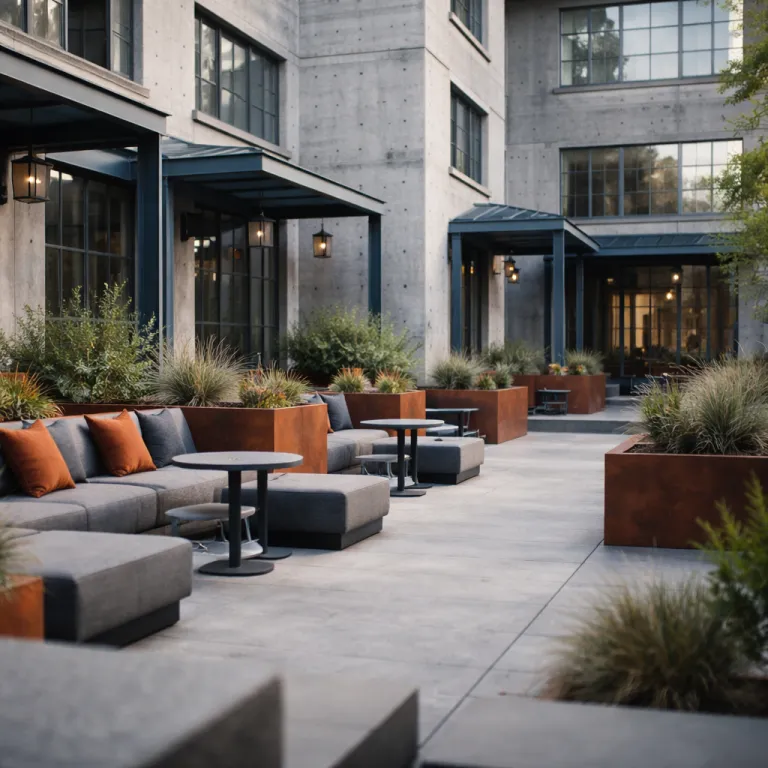
Why warm atmospheric palettes now define hotel design trends
Across the hospitality industry, cautious beige minimalism is finally losing its grip. Hotel design teams are pivoting toward warm, grounded palettes that make guest rooms, lobbies, and shared spaces feel atmospheric rather than anonymous, and this shift is redefining how guests read quality the moment they cross the threshold. The emerging hotel design trends for 2026 favour mineral greens, aubergine-infused neutrals, caramel and tobacco tones, and silvery blues that sit against real materials rather than flat painted interiors, which means every decision about stone, timber, and metal now carries both aesthetic and operational weight.
These warmer hotel interiors work because they are anchored in tactility, not nostalgia. When honed stone, timber, boucle, and brushed metal are specified with discipline, the guest experience moves from generic comfort to a layered interior design narrative that feels modern, rooted, and quietly luxurious, and this is where design-led hotels are now competing hardest. Recent hospitality projects by studios such as WATG and DLR Group show how colour is used to frame volumes and sightlines, while the materials and furniture do the heavy lifting for durability, maintenance, and long-term ROI in both guest rooms and public spaces, as outlined in WATG’s “Interior Design Trends: Authenticity, Resonance, Resilience” and DLR Group’s “What Is Shaping Hospitality Design Trends.”
For asset managers and technical directors, this evolution in hotel design trends is not just about moodboards. It is about aligning hospitality interiors with measurable outcomes such as guest satisfaction, sleep tourism performance, and length of stay, while still keeping CAPEX under control and FF&E refresh cycles realistic. When the palette is specified correctly, the same warm materials can support personalization, smart technology integration, and eco-friendly positioning, which allows hotels to speak credibly to both design-conscious hospitality audiences and increasingly demanding guests.
Material strategies that make richer palettes feel operationally robust
The current wave of hospitality design relies on materials that age gracefully, not those that look perfect only in a photo. Honed stone, cork, timber, and leather bring depth to hotel interior schemes, but they also introduce questions about slip resistance, cleaning cycles, and replacement strategies that the hospitality industry can no longer ignore. Designers and engineering consultants must now specify materials with a clear understanding of how spaces work under real occupancy, from breakfast rushes to late-night bar service, and how these choices affect long-term maintenance budgets.
Warm veined marbles in caramel, amber, and terracotta tones are replacing colder blue-grey stones in many hotels. Used on bar fronts, reception desks, and bathroom vanities, these stones can make interiors feel instantly more atmospheric, yet they demand careful detailing at junctions, edges, and transitions to softer materials such as boucle or timber so that guest experience remains comfortable and intuitive. The deep green veined marble plus brushed gold pairing has become almost a visual shorthand for modern luxury, but its overuse risks making new projects feel derivative unless balanced with unexpected textures, eco-friendly finishes, or locally sourced materials documented in the specification.
For FF&E suppliers, the shift toward patinating materials changes lead times, stock strategies, and warranty conversations. Leather banquettes, brushed metal hardware, and timber casegoods must be specified at a high quality level to avoid premature wear that undermines both design intent and operational budgets, and this is especially critical in high-turnover guest rooms. When interior design teams collaborate early with manufacturers, they can align furniture detailing, smart integration, and maintenance protocols so that hospitality interiors retain their intended feel long after opening, as seen in recent lifestyle hotel rollouts in Europe and the Middle East and in Versital’s “Interior Design Trends for Hospitality” guidance on durable finishes.
Writing palette specifications that survive value engineering
Many hotel design trends die in the value engineering phase, not on the drawing board. The difference between a lobby that feels richly atmospheric and one that feels like a downgraded version of the render often lies in how precisely the palette and materials are documented in the specification. For asset managers and investors, the goal is to protect the design intent while still allowing controlled substitutions that keep the project on budget and on programme, using clear criteria rather than subjective impressions.
A robust hospitality interior specification does more than list colours and finishes. It defines performance criteria for each material, from Martindale rub counts on upholstery to slip ratings on stone, and it links these criteria directly to guest experience metrics such as acoustic comfort, sleep tourism quality, and perceived cleanliness in guest rooms and corridors. Industry guidance from organisations such as the American Hotel & Lodging Association and WELL Building Standard emphasises how these technical benchmarks support both wellbeing and long-term asset performance, especially when combined with commissioning and post-occupancy evaluation.
To keep design hospitality ambitions intact, project teams should structure specifications around zones and use cases rather than just product lists. Public spaces, back-of-house areas, and guest rooms each need different thresholds for wear, cleaning, and personalization, and these thresholds should be explicit so that substitutions remain aligned with the original hospitality design strategy. This approach also helps technical services teams and hotel operators understand where smart technology, eco-friendly materials, and high-quality furniture are non-negotiable for long-term performance.
| Zone | Key material criteria | Typical benchmark | Maintenance / warranty notes |
|---|---|---|---|
| Lobby & reception | Upholstery durability, stone slip resistance | >50,000 Martindale rubs; slip rating R10–R11 | Daily cleaning; 5–7 year upholstery refresh cycle |
| Guest rooms | Acoustic control, stain-resistant textiles | Wall STC aligned with brand standard; easy-clean finishes | Planned soft-goods replacement every 7–10 years |
| Bathrooms & spas | Non-slip flooring, moisture resistance | Slip rating R11–R12 in wet zones | Frequent grout checks; sealed joints under performance warranty |
| Bars & F&B | Scratch- and heat-resistant surfaces | High-abrasion worktops; protected edges | Scheduled resealing; documented repair protocols |
Where boucle, leather, and smart details work – and where they fail
Textural comfort is central to current hotel design trends, but not every material belongs in every zone. Boucle, for example, photographs beautifully and gives interiors a soft, tactile feel, yet in high-traffic lobby seating it can trap dirt, pill quickly, and fight with the cleaning regimes that the hospitality industry now requires. Leather tells a different story; it patinates elegantly in bar lounges and guest rooms, but can crack or stain in humid spa areas where guests move between water and upholstered furniture.
For design hotels that trade heavily on visual identity, the temptation is to push these materials everywhere. A more disciplined hospitality design strategy uses boucle in low-traffic niches, headboards, or accent chairs in suites, while reserving tightly woven textiles and performance blends for lobby sofas, banquettes, and spaces where guests work or dine. Leather is best deployed on touch points that benefit from patina, such as armrests, bar stools, and desk chairs in guest rooms, while public area pieces rely on engineered leathers or coated fabrics that can handle aggressive cleaning without losing their modern character.
Smart details add another layer of complexity. Integrated lighting, embedded charging, and sensor-based controls can elevate guest experience when they are intuitive, but they also introduce maintenance risks if specified without input from technical services and operations teams. Successful interior design schemes now treat smart components as part of the FF&E package, not as afterthoughts, ensuring that cable routing, access panels, and replacement strategies are resolved before guests ever see the finished spaces.
Designing for sleep tourism, personalization, and future hospitality
Sleep tourism has moved from niche concept to mainstream expectation, and hotel design trends are responding with quieter, darker, and more cocooning guest rooms. Acoustic separation, blackout strategies, and layered lighting now sit alongside mattress specifications and pillow menus as core components of hospitality design, and these elements must be integrated from the earliest planning stages. When interiors are tuned for rest, guests report higher satisfaction and are more likely to return, which directly impacts the hotel industry’s long-term performance.
Personalization is the second major driver reshaping hospitality interiors. Guests expect spaces that can adapt to different experiences throughout the day, from focused work to social gatherings, and this means flexible furniture layouts, adjustable lighting, and smart controls that remember preferences across stays. In practice, this requires interior design teams to think of guest rooms as spaces where guests work, sleep, and relax in equal measure, with zoning, storage, and technology all calibrated to support these overlapping needs without visual clutter.
Looking toward future hospitality, the most resilient design trends are those that balance eco-friendly commitments with high-quality, long-lasting materials and clear operational logic. Biophilic gestures, such as real planting and natural light, must be backed by irrigation plans, maintenance budgets, and durable finishes that can handle humidity and cleaning products. As one expert summary from DLR Group puts it, “Design incorporating natural elements,” “Reduces environmental impact,” and “Improves guest convenience” – these principles only translate into real-world value when architects, designers, and hotel owners align on a shared strategy that respects both the guest and the asset.
Key quantitative signals shaping hotel design trends
- According to Booking.com’s “Sustainable Travel Report 2023,” 74% of surveyed travellers say they want to stay in properties with sustainable practices, indicating that eco-friendly positioning in hotel design and operations is now a mainstream expectation rather than a niche differentiator.
- Research from Statista and major hotel groups suggests that smart room installations in the hospitality industry have increased by roughly half compared with pre-2019 baselines, showing that guests now associate modern hotel interiors with integrated technology and responsive environments; Statista’s “Smart Homes and Smart Buildings: Hotel Room Technology” datasets highlight this upward trajectory.
- Global hotel design trends follow a recurring cycle where new concepts emerge, are implemented, evaluated through guest feedback, and then refined, which means palette and material decisions should be tested and iterated rather than fixed once and for all, as highlighted in recent WATG “Interior Design Trends” briefings and Versital’s “Interior Design Trends for Hospitality” reports.
Frequently asked questions about warm atmospheric hotel design trends
What is biophilic design in the context of hotel interiors ?
Biophilic design in hotels means incorporating natural elements such as plants, daylight, water features, and organic materials into interiors to support guest wellbeing. In guest rooms and public spaces, this can translate into real greenery, views to nature, timber and stone finishes, and patterns that echo natural forms rather than purely geometric motifs. When executed with robust maintenance planning, biophilic strategies enhance guest experience, support sleep tourism, and strengthen the perceived eco-friendly credentials of the property.
Why is sustainability now central to hotel design strategies ?
Sustainability has become central because it reduces environmental impact while also protecting long-term asset value. Energy-efficient systems, durable materials, and responsible sourcing lower operating costs and extend refurbishment cycles, which matters directly to owners and asset managers. At the same time, guests increasingly choose hotels that align with their values, so visible eco-friendly choices in interiors, amenities, and operations can improve both occupancy and guest loyalty.
How does smart technology enhance the guest experience in modern hotels ?
Smart technology enhances guest experience by making hotel spaces more responsive, intuitive, and comfortable. Examples include app-based check-in, keyless entry, adaptive lighting, climate control that remembers preferences, and integrated charging at every key touch point in guest rooms and public areas. When these systems are designed with clear user journeys and robust back-end support, they reduce friction for guests and free staff to focus on higher-value hospitality interactions.
Which hotel zones benefit most from investment in high quality materials ?
High-quality materials deliver the greatest ROI in zones with intense guest contact and strong brand visibility. Lobbies, reception desks, bars, and guest room bathrooms are the primary candidates, because they shape first impressions, social media photos, and long-term perceptions of cleanliness and comfort. Investing in durable stone, timber, and upholstery in these areas reduces maintenance interventions and supports consistent guest satisfaction over the full life of the renovation.
How can hotel teams keep design trends relevant without constant renovation ?
Hotel teams can stay relevant by building flexibility into the initial design rather than chasing every new trend with fresh CAPEX. This means specifying timeless base materials, modular furniture layouts, and lighting schemes that can shift mood with minimal physical change, while using art, textiles, and accessories to refresh the narrative over time. Regularly reviewing guest feedback and operational data allows management to adjust details and experiences without undermining the core hospitality interior strategy.
References
- Versital – “Interior Design Trends for Hospitality.”
- WATG – “Interior Design Trends: Authenticity, Resonance, Resilience.”
- DLR Group – “What Is Shaping Hospitality Design Trends.”
- Booking.com – “Sustainable Travel Report 2023.”
- Statista – “Smart Homes and Smart Buildings: Hotel Room Technology.”