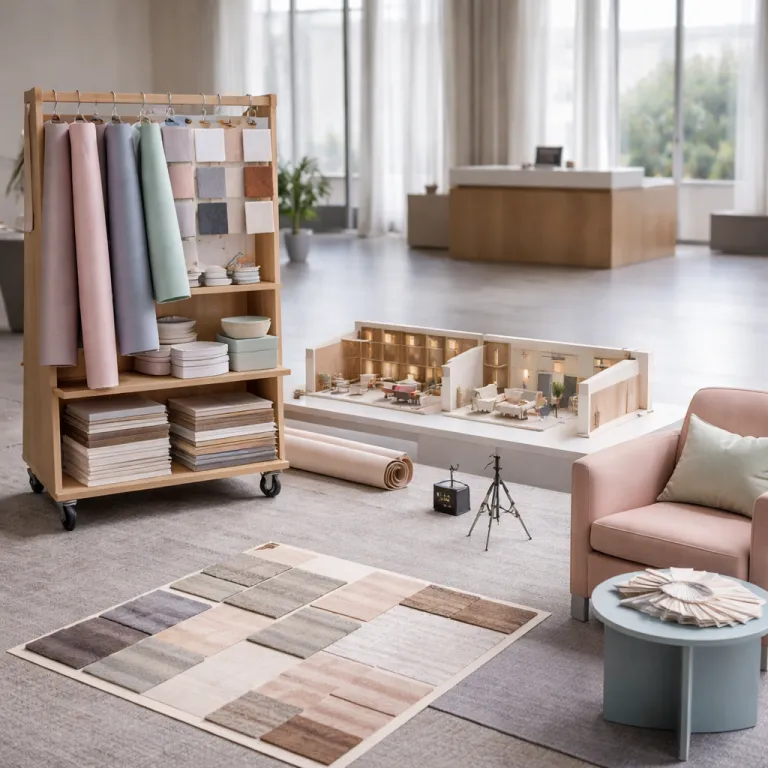
The lobby as the most under-monetised space in the hotel
The hotel lobby is usually the highest traffic and lowest monetised space in the entire property. When architects and designers treat these public areas as circulation and waiting zones only, they leave multi functional revenue on the table that no revenue director can afford to ignore. In a market where rooms are optimised to the centimetre, the lobby and adjacent lounge areas often remain visually impressive but commercially underperforming spaces.
Across hotels of every brand tier, the same pattern repeats in lobbies that still prioritise the check in counter over functional seating, flexible furniture and clear business models. A multifunctional hotel lobby revenue strategy starts by accepting that the lobby is not a décor statement but a commercial asset that must carry its share of the GOP, especially when in room revenue is under pressure. The thesis is simple and data backed ; multi functional lobbies that integrate co working, café and gallery style retail generate around 42 % more non room revenue than traditional hotel lobbies built around a single front desk.
That uplift is not a styling trick, it is a spatial and operational reprogramming of the hotel lobby into a sequence of clearly defined revenue areas. Designers who understand hospitality economics carve the lobby into zones that serve different guests and non resident users across the day, from remote workers at 09.00 to local neighbours at 21.00. For asset managers and hotel owners, the question is no longer whether the lobby should be transformed, but how fast they can move from static living rooms to high performing, multi functional spaces.
In practice, this means treating the lobby as a portfolio of micro businesses rather than a single public space. One area might be optimised for grab and go F&B with an average transaction value above 10,5 USD, while another focuses on higher margin cocktails and small plates for hotel guests and locals after 20.00, when around 50 % of lobby market sales typically occur. A third cluster of seating and tables can be calibrated for day use co working, with power, acoustics and natural light designed to support remote workers who will pay for time, coffee and light food if the experience is right.
Owners who still see the lobby as a cost centre need to look at the data coming from industry wide case studies and from their own POS systems. Average monthly revenue from lobby markets around 5 000 USD is now common for properties that have reprogrammed their public areas with clear offers and visible product. When hotel groups align design, operations and brand positioning, the lobby becomes a resilient revenue hedge against seasonality in rooms and volatility in corporate business.
For design teams, the implication is clear ; lobby design decisions about circulation, ceiling height, furniture density and materiality are now revenue decisions. A high hotel ceiling that looks spectacular but kills acoustic comfort for laptop users will quietly erode potential space revenue from co working and meetings. Conversely, a slightly tighter volume with carefully layered lighting, biophilic design elements and well specified hotel furniture can enhance guest dwell time and increase spend without adding a single extra square metre.
Three lobby revenue models that change the GOP line
When revenue directors talk about multifunctional hotel lobby revenue, they are really talking about three distinct but complementary models. The first is day use co working, where the lobby and adjacent lounge areas become functional workspaces for hotel guests and local remote workers. The second is F&B programming that treats the lobby as an all day café bar with clear offers and price points, not a vague promise of “light snacks”.
The third model is curated retail, from lobby markets to rotating pop up stores that plug into underused spaces near circulation routes. These three models can coexist in the same hotel lobby when architects and interior designers plan the space as a matrix of uses rather than a single open volume. For investors and asset managers, the key is to brief the design équipe with explicit revenue KPIs for each area, not just a generic request for a welcoming lobby design.
Co working in hotel lobbies works when the furniture, power and zoning are treated with the same seriousness as meeting rooms. That means specifying seating that supports four hour laptop sessions, integrating generous natural light, and designing acoustic buffers between work focused spaces and high energy bar areas. Remote workers will not pay for a day pass if the guest experience is compromised by noise spill from the reception queue or by a lack of privacy.
F&B programming in the lobby should be built around clear day parts and visible product, supported by mobile F&B carts that can flex with demand. A multi functional bar counter can serve breakfast coffee to hotel guests in the morning, casual lunch to business travellers at midday, and cocktails to both in house and external guests in the evening. When the design supports this choreography, the lobby becomes a living room for the neighbourhood and a serious contributor to space revenue, not just a backdrop for check in photos.
Curated retail in public areas is where many hotel groups are still timid, despite average lobby market revenues that now rival some small outlets on the high street. Integrating retail spaces into the lobby does not mean cluttering circulation with racks ; it means designing precise niches and walls that can host limited edition drops, local collaborations and seasonal offers. For a deeper dive into how investors evaluate these design arguments, the pre IHIF Berlin briefing on the five design debates that actually move capital allocation offers a useful benchmark at this analysis of investor facing design arguments.
Across these three models, the common thread is that hotel furniture, lighting and layout must be specified for operational intensity, not just aesthetics. High quality seating with integrated power, durable finishes and flexible configurations allows teams to flip spaces between breakfast, co working and events without compromising the guest experience. When architects, designers and directions techniques align on these requirements from the start, the lobby becomes a platform for new business lines rather than a fixed cost.
Answering the brand and operations pushback
Every revenue director who proposes a multifunctional hotel lobby revenue strategy will hear the same objections from brand, security and operations. Brand guardians worry that transformed lobbies will dilute the visual identity and confuse guests who expect a classic front desk moment. General managers fear that multi functional spaces will overload their équipes with complex F&B, retail and event operations in already stretched public areas.
Security teams raise legitimate concerns about controlling access when hotel lobbies attract non resident remote workers and local visitors throughout the day. These counter arguments are real, but they are design and process problems, not reasons to keep the lobby frozen in a twentieth century model. The properties that are quietly winning this shift are those where architects, interior designers and operations leaders sit together early and map flows, sightlines and staffing models into the lobby design.
Brand standards are not immovable walls ; they are starting points that can be reinterpreted through materiality, furniture and lighting while still delivering new revenue. A hotel lobby can maintain a strong brand signature at the reception island while allowing adjacent lounge areas to feel like flexible living rooms for co working, casual meetings and small events. When lobby design uses consistent finishes, coherent signage and layered lighting, guests understand the offer intuitively and the brand narrative remains intact.
Operational load is addressed by designing for efficiency, not by avoiding new business models. That means specifying service stations, storage and back of house connections that allow F&B teams to run lobby bars and mobile carts without crossing key guest flows. It also means using technology providers to support ordering, payment and access control so that “A lobby serving multiple purposes like retail, dining, and workspaces.” does not translate into chaos at the front desk.
Security concerns in high hotel traffic environments can be mitigated through clear zoning, sightlines and access control that are integrated into the architecture, not bolted on later. Remote workers can be seated in areas with direct visual supervision from the bar or reception, while guest only corridors and lifts remain clearly separated. When lobby spaces are planned with these layers in mind, hotel guests feel protected, staff feel in control and the lobby can welcome external business without compromising safety.
For revenue and commercial directors, the winning argument is to show how the GOP line shifts when the lobby works as a revenue centre. The uplift does not sit only in F&B or rooms, but in the ancillary column that usually gets little attention in budget meetings. A detailed case for this shift, including the 42 % non room revenue uplift, is laid out in the analysis on whether your lobby is a revenue centre or a liability, available at this lobby revenue benchmark.
Briefing designers so revenue KPIs shape the space
The most common failure point in multifunctional hotel lobby revenue projects is the initial brief. Too often, architects and interior designers receive a narrative about atmosphere and brand, but no hard numbers about target revenue per square metre in the lobby. Without those KPIs, even the best lobby design will default to visual impact rather than calibrated space revenue performance.
A robust brief for hotel lobbies should specify the expected mix of guests and non resident users across the day, the desired split between F&B, co working and retail, and the operational constraints of the property. Asset managers and investors need to articulate whether the lobby should primarily support extended stay guests who treat it as an extension of their rooms, or whether the priority is to attract local business traffic and remote workers. These choices directly influence the proportion of lounge areas, the density of seating and the type of hotel furniture that will be specified.
Design teams should be asked to model different layouts showing how many covers, desks and retail bays each option delivers, with clear assumptions about dwell time and average spend. This is where FF&E suppliers and bureaux d’études can add real value, by proposing furniture packages that balance aesthetics, durability and revenue potential. A seating cluster that looks like a residential living room might photograph well, but if it cannot comfortably host both a coffee meeting and a laptop session, it will underperform as a functional business asset.
Natural light and biophilic design are not just wellness talking points ; they are revenue drivers in public areas where dwell time matters. Guests and local users will always choose a bright, green edged corner over a dark internal zone, so those high value spaces should be allocated to co working and café seating, not to transient circulation. When designers align these qualitative factors with quantitative targets, they genuinely enhance guest satisfaction while lifting spend.
For revenue directors who want to embed this thinking across portfolios, an industry wide perspective on how hotel news and macro trends reshape architecture and renovation strategies is essential. The analysis on how current hotel industry developments are reshaping design and asset decisions provides a useful framework at this briefing on design and renovation strategy. Used well, such frameworks help hotel groups brief their design équipes with clarity so that every square metre of the lobby is accountable.
When owners, managers and designers align around the idea that “A lobby serving multiple purposes like retail, dining, and workspaces.” is now the baseline expectation, the conversation shifts from whether to transform to how to phase and fund the transformation. Local partnerships with cafés, retailers and event organisers can de risk the investment and bring fresh content into the lobby without overloading the in house équipe. Over time, the properties that treat their lobbies as adaptive, multi functional spaces will build stronger brands, more resilient revenue and a guest experience that feels genuinely contemporary.
Key figures on multifunctional hotel lobby revenue
- Average monthly revenue from lobby markets of around 5 000 USD has been reported for hotels that integrate retail spaces into their lobbies, showing that even compact areas near circulation can become meaningful profit centres when properly designed and merchandised (source ; GrabScanGo, global sample).
- Approximately 50 % of lobby market sales occur between 20.00 and 02.00, which confirms that well programmed lobby bars and grab and go offers can monetise late evening traffic long after traditional F&B outlets have closed (source ; GrabScanGo, lobby market performance data).
- An average transaction value of 10,5 USD in lobby markets demonstrates that small impulse purchases in hotel lobbies can compound into significant annual revenue when guest flows are high and product is visible (source ; GrabScanGo, lobby retail benchmarks).
- Multifunctional hotel lobbies that integrate co working, café and retail functions generate around 42 % more non room revenue than traditional check in focused lobbies, according to recent hospitality design research, which underlines the financial impact of reprogramming public spaces.
- Industry analyses indicate that the shift toward multifunctional lobbies moved from early trend to widespread adoption within a few years, and is now approaching standard practice for new build and major renovation projects in urban and resort hotels worldwide.