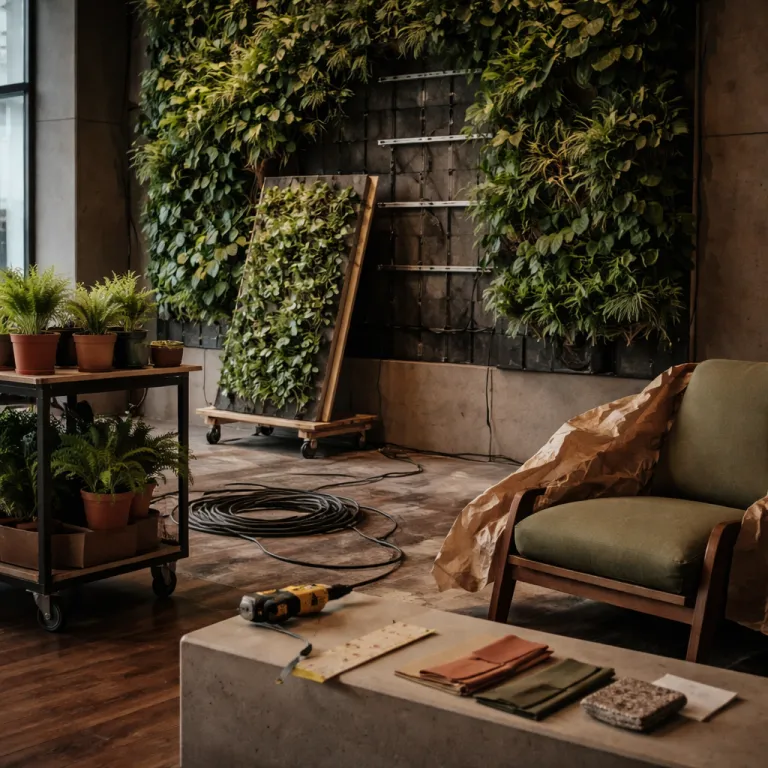
From moodboard to metric: defining biophilic hotel design in the P&L
Biophilic hotel design only matters for a revenue director when it moves numbers. When hotel designers and asset managers treat biophilic design as a measurable system of natural elements rather than a styling exercise, it starts to influence RevPAR, F&B capture and repeat bookings in a way that is visible in monthly reports. The core question is simple yet demanding: which specific biophilic designs in a hotel or resort will guests actually pay more for, and for how long.
At specification level, biophilic hotel design means committing to living walls, water features, natural lighting strategies and tactile natural materials that reconnect guests with nature in a consistent way. A controlled study by the University of Exeter on office greenery (2014, n = 168 office users, three experimental conditions over several weeks, randomised allocation and repeated measures; published in the Journal of Experimental Psychology: Applied, doi:10.1037/xap0000044) found that introducing plants into previously sparse interiors reduced self-reported stress by around 15 % and improved perceived productivity. A hospitality daylighting study led by Cornell University researchers (2015, n = 313 guests across multiple properties, pre and post refurbishment surveys with Likert scale ratings; summarised in the Cornell Hospitality Report series) reported satisfaction gains of roughly 20 % in rooms with strong natural light and views. These findings come from office and mixed hospitality contexts, so they should be read as indicative rather than strictly causal for every hotel, but they align with the direction of travel seen in guest feedback. For hospitality investors and technical directors, the task is to translate these well documented benefits into a CAPEX line that can be defended against competing priorities such as back of house upgrades or extra keys.
Urbanization has pushed guests away from nature, so hotels and hotel resorts are now expected to provide that missing contact with natural light, plants and water as part of their hospitality promise. When a design hotel or resort integrates nature inspired biomorphic patterns, generous natural light and biophilic elements into the lobby design, corridors and F&B zones, guests tend to stay longer on site and spend more per visit, even if the exact uplift will vary by market and concept. For a revenue and commercial director, the strategic pivot is to treat every biophilic hotel intervention as a micro investment with a clear payback period, not as a diffuse wellness gesture.
What biophilic means in the spec book: elements, layouts and FF&E
On paper, biophilic hotel design starts with three levers: natural elements, natural lighting and spatial layouts that prioritise views to nature. In practice, this means specifying stone, timber, lime based plasters and woven textiles in the interior design, then aligning them with plants, living walls and water features that are visible from the main guest flows. When architects and designers treat biophilic design as a performance brief rather than a style, they start to ask how each material and layout decision will affect dwell time and perceived quality.
In a hotel lobby, the most effective biophilic designs usually combine living walls with layered planting, controlled natural light and warm artificial lighting that respects circadian rhythms. A biophilic hotel that uses nature inspired biomorphic patterns in rugs, screens and joinery, then repeats those patterns in resort design for outdoor paths and pool decks, creates a continuous narrative that guests intuitively read as calm and high quality. This is where hotels and resorts can justify a price premium on rooms with views to nature, because the interior and exterior designs are aligned rather than competing.
For FF&E suppliers, the shift is from selling individual biophilic elements to curating systems: planters integrated into banquettes, furniture scaled to frame natural light, and colour palettes that echo local landscapes without sliding into cliché. Revenue directors should sit in these early workshops, because the way a lobby design frames plants and daylight will directly influence how long guests feel comfortable staying with a laptop or a second drink. For teams benchmarking unique hotel interiors and nature inspired concepts, resources that analyse global innovation in hospitality design help separate durable strategies from short lived trends.
The lobby as a profit centre: quantifying dwell time and repeat bookings
When a hotel lobby is treated as a circulation space, it earns nothing; when it is treated as a biophilic living room, it becomes a profit centre. Internal benchmarking by Mingsun Group in its Hotel Lobby Design Guide (2019, 42 urban and resort properties across Asia and Europe, approximately 8,400 guest survey responses and anonymised POS data over 12 months, mixed methods with on site observation and transactional analysis) shows that 36 % of guests spend time in biophilic lobbies compared with 25 % in conventional ones, with 22 % longer dwell times and 19 % higher repeat booking rates. These figures describe robust associations within that sample rather than universal cause and effect, but they still indicate a structural shift in behaviour rather than a marginal gain. For a revenue director, biophilic hotel design in the lobby is therefore a lever to increase F&B revenue per occupied room and to stabilise demand through higher loyalty.
To make the case in a pro forma, start by mapping the current guest journey through the lobby, then model how biophilic design interventions will change that journey. If living walls, layered plants and better natural lighting encourage guests to sit rather than pass through, you can forecast incremental coffee, cocktail and snack sales per guest based on realistic capture rates. A simple illustration: if a 150 room hotel currently captures €4 of lobby F&B spend per occupied room and a biophilic refurbishment increases dwell time enough to lift that to €5, the extra €1 per room at 75 % annual occupancy equates to roughly €41,000 of incremental revenue per year. When hotel designers align lobby design with adjacent bar and café layouts, the result is a nature inspired hospitality hub where guests feel well enough to extend their stay and pay for more services.
One practical tool is a lobby design checklist that forces the team to quantify each biophilic element: number of seats with direct natural light, percentage of floor area with views to plants, and proportion of FF&E finished in natural materials. Hotels and resort properties that track these metrics alongside ADR and F&B revenue can correlate specific interior design moves with financial outcomes over time. For operators and asset managers, a simple ROI sensitivity table helps frame decisions: for example, a €120,000 lobby biophilic package with annual operating costs at 8 %, 10 % or 12 % of initial CAPEX and incremental F&B revenue scenarios at €30,000, €40,000 or €50,000 per year will show payback periods ranging from roughly 2.4 to 5 years, depending on how strongly guest behaviour actually shifts. The discipline is to invest in biophilic designs that change guest behaviour, not in decorative gestures that only change the photos.
Hidden costs and common mistakes: where biophilic CAPEX goes to waste
Biophilic hotel design fails financially when maintenance is an afterthought and when the biophilic strategy is driven by photography rather than operations. Living walls look spectacular in renderings, but without a robust irrigation system, access for maintenance and a realistic plant replacement schedule, they quickly degrade and drag down perceived quality. Revenue directors need to insist that every biophilic design feature in a hotel or resort comes with a full life cycle cost model, not just a supply quote.
Maintenance costs that are often ignored include specialist cleaning for water features, pruning and replanting cycles for interior plants, and the energy load of supplemental grow lighting where natural light is insufficient. A typical pro forma might assume that a €120,000 lobby biophilic package (living wall, planting, natural materials and lighting adjustments) carries annual operating costs of 8–10 % of initial CAPEX for horticultural services, water treatment and energy. When hotels and resorts underestimate these costs, they either cut back on maintenance and let the biophilic elements decline, or they overshoot the operating budget and blame the concept rather than the specification. The result is a lobby or restaurant that no longer feels nature inspired or well maintained, which erodes the very benefits that justified the CAPEX.
Another frequent error is overspending on photogenic installations that do not change guest behaviour: a single dramatic tree in a hotel lobby atrium, for example, without comfortable seating, acoustic control or natural materials at hand level. In such cases, guests still pass through quickly, so dwell time and F&B spend remain flat despite the visual impact. The more effective strategy is to invest in layered biophilic designs that combine plants, biomorphic patterns, natural elements and carefully tuned colour palettes at the scale where guests sit, touch and stay.
Three projects, three outcomes: how biophilic design shapes revenue
Consider an urban design hotel that reworked its ground floor into a biophilic lobby bar with generous natural lighting, dense planting and timber lined ceilings. By relocating check in to the side, adding living walls behind the bar and using nature inspired biomorphic patterns in rugs and screens, the hotel created a sequence where guests naturally lingered between arrival and elevator. Over the following trading periods, F&B revenue per guest increased, and repeat bookings rose in line with the 19 % uplift seen in wider biophilic hotel benchmarks, even though the exact contribution of design versus other commercial levers is difficult to isolate.
A coastal hotel resort took a broader approach, extending biophilic design from lobby to spa and outdoor terraces with continuous views to nature and consistent natural materials. Here, resort design decisions such as shaded pergolas, stone paving and integrated planters encouraged guests to remain on property rather than seeking external venues, which improved ancillary spend and overall RevPAR. The key was that biophilic elements were not confined to a single feature wall but embedded in every part of the interior design and landscape sequence.
By contrast, a city centre hotel biophilic refurbishment focused almost entirely on a dramatic atrium tree and a sculptural water feature without addressing seating comfort, acoustics or natural light at eye level. Guests continued to move quickly through the lobby, using it as a transit zone rather than a living space, so dwell times and bar revenue barely shifted despite the high CAPEX. The lesson for asset managers and investors is clear: biophilic hotel design delivers measurable benefits only when it is operationally integrated, financially modelled and maintained as rigorously as any other revenue generating asset.
Key quantitative statistics on biophilic hotel design and guest outcomes
- Biophilic design in hotels is associated with a 15 % reduction in guest stress levels, based on controlled environmental psychology experiments such as the University of Exeter office greenery study (2014, n = 168, three phase longitudinal design with control and intervention conditions, Journal of Experimental Psychology: Applied, doi:10.1037/xap0000044), which suggest that similar mechanisms can support longer dwell times and higher on property spend.
- Hotels that implement coherent biophilic designs report a 20 % increase in guest satisfaction, consistent with hospitality daylighting research by Cornell University (2015, n = 313 guests across multiple hotels, pre and post refurbishment surveys using standardised comfort scales, summarised in the Cornell Hospitality Report series) that links natural light and views to higher comfort scores, improved review ratings and repeat bookings.
- In comparative studies summarised by Mingsun Group’s Hotel Lobby Design Guide (2019, 42 properties, 12 month observation window, structured guest questionnaires, on site observation and POS data analysis across urban and resort hotels), 36 % of guests spend time in biophilic lobbies, versus 25 % in conventional hotel lobbies with minimal natural elements.
- The same Mingsun dataset indicates that biophilic hotel lobbies generate 22 % longer guest dwell times, creating more opportunities for incremental F&B revenue and upselling, although the exact uplift varies by concept, season and competitive set.
- Across the sample, properties with strong biophilic design strategies see 19 % higher repeat booking rates, turning nature inspired interiors into a loyalty engine rather than a purely aesthetic gesture, while still leaving room for other factors such as service quality and pricing to play a role.
Frequently asked questions on biophilic hotel design
What is biophilic design in a hotel context ?
Biophilic design in a hotel context is the deliberate integration of natural elements, natural light, plants and nature inspired patterns into interior and architectural layouts to reconnect guests with nature. It goes beyond decoration, using materials, views and spatial sequences to support guest well being and perceived quality. When applied consistently from lobby to rooms, biophilic design becomes a strategic tool for hospitality brands to increase satisfaction, dwell time and revenue.
Why is biophilic design important in hotels and resorts ?
Biophilic design is important in hotels and resorts because it addresses the stress and sensory fatigue created by dense urban environments and constant digital exposure. Studies show that well executed biophilic hotel design can reduce guest stress levels by around 15 % and increase satisfaction by about 20 %, which directly influences reviews and repeat bookings, even if the precise impact will differ by property. For operators, this means that investments in natural elements, plants and natural lighting are not just aesthetic choices but levers for higher ADR and stronger loyalty.
How do hotels implement biophilic design effectively ?
Hotels implement biophilic design effectively by combining natural materials, maximised natural light, indoor plants and living walls with layouts that prioritise views to nature from key guest touchpoints. Successful projects treat biophilic elements as part of the core interior design and FF&E specification, not as add ons, and they budget for maintenance such as irrigation, plant replacement and specialist cleaning. When architects, designers and technical directors collaborate with sustainability consultants and operations teams from the outset, biophilic strategies remain both visually strong and operationally viable.
What are the main benefits of biophilic hotel design for revenue directors ?
The main benefits of biophilic hotel design for revenue directors are longer guest dwell times, higher F&B capture, improved review scores and increased repeat booking rates. Data from biophilic hotel lobbies indicates that guests spend more time in spaces with plants, natural light and nature inspired materials, which translates into more orders and a stronger emotional connection to the property. Over time, this allows hotels and resorts to sustain higher ADR and to differentiate in competitive urban and resort markets without relying solely on discounting.
How should maintenance costs be planned for biophilic elements ?
Maintenance costs for biophilic elements should be planned as part of the initial CAPEX and operating budget, not treated as incidental expenses. This includes irrigation systems for living walls, scheduled plant replacement, cleaning of water features, and potential energy use for supplemental lighting where natural light is limited. By modelling these costs over the full life cycle of the design, asset managers and operators can ensure that biophilic features remain fresh, healthy and aligned with the high quality experience that guests are willing to pay for.
References
- Mingsun Group, Hotel Lobby Design Guide, 2019, internal benchmarking study of 42 hotels and resorts using guest surveys, observational data and POS transaction analysis across a 12 month period.
- Nieuwenhuis, M., Knight, C., Postmes, T., & Haslam, S. A., University of Exeter, environmental psychology research on office greenery and stress reduction, 2014, controlled multi condition study (n = 168) with randomised allocation and repeated measures design, published in the Journal of Experimental Psychology: Applied, doi:10.1037/xap0000044.
- Cornell University, hospitality daylighting and guest satisfaction study, 2015, multi property survey (n = 313) on natural light, comfort and review scores using pre and post refurbishment questionnaires, summarised in the Cornell Hospitality Report series on daylight, views and hotel guest experience.