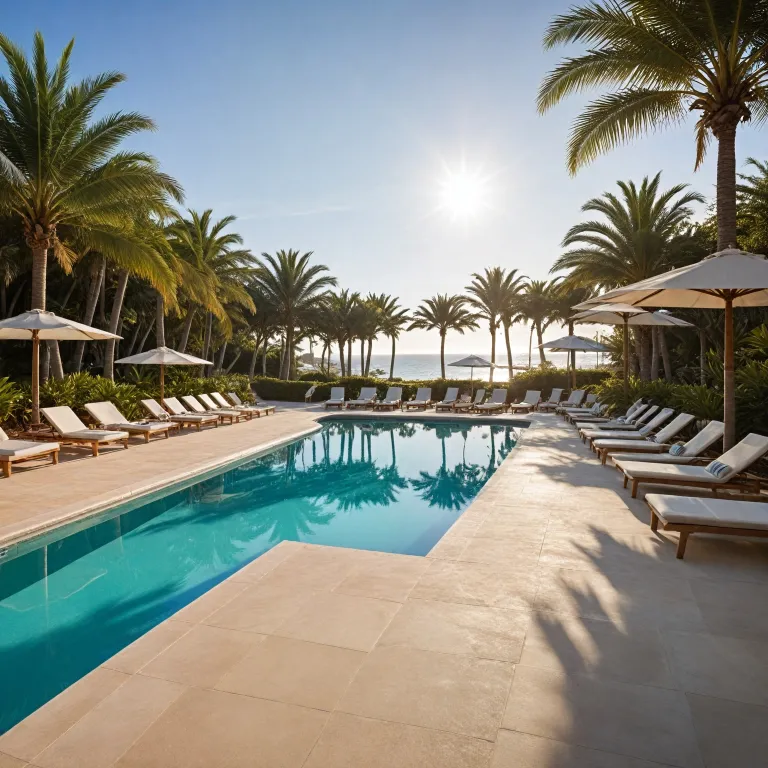
Why beach entry pools matter for contemporary hospitality projects
Beach entry pools have moved from residential trends into serious hospitality strategy. For architects and designers, the gradual entry transforms a standard swimming pool into a layered guest experience that blends landscape, architecture and water. Asset managers and investors increasingly view each entry pool as a differentiating asset rather than a decorative amenity.
A beach entry pool uses a gentle slope from the pool deck into the water, eliminating steps and ladders while creating a natural pool beach effect. This sloped entry area becomes a multifunctional shallow zone that supports family use, inclusive access and premium revenue models. For technical directors, the shift from a compact edge pool to extended beach entries changes structural loads, hydraulics and FF&E specifications.
Manufacturers such as Thursday Pools and builders like Anthony & Sylvan Pools now offer standardized fiberglass pools with integrated beach entry. These fiberglass pool solutions compress construction time on operational sites and reduce disruption to adjacent guestrooms. For resorts repositioning an underperforming backyard or courtyard, a fiberglass beach entry swimming pool can unlock new pool ideas without a full structural rebuild.
From a design perspective, the open transition between deck, slope and swimming area supports seamless circulation and universal access. A well resolved pool design aligns the tanning ledge, walk pool routes and adjacent seating to minimize conflict between active swimmers and quiet loungers. When multiple entry pools are planned across a portfolio, consistent pool designs also simplify maintenance training and spare parts management.
Spatial planning, slope geometry and accessibility standards
Planning a beach entry pool starts with rigorous control of space, slope and depth. Because the entry swimming zone requires a gradual slope, these swimming pools typically need more horizontal area than traditional basins. For compact urban plots, the pros cons balance between generous beach entries and total water surface becomes a key feasibility question.
Average beach entry pools are often around 5 metres in width with a typical maximum depth close to 1,8 metres. Within this envelope, the shallow entry pool section must be long enough to provide safe footing yet short enough to preserve a true swimming area. Designers should model several pool designs to test how guests move from the open deck across the slope into deeper water.
Accessibility is a central argument for the beach entry typology in hospitality. The absence of steps allows wheelchair users, seniors and children to enter the swimming pool progressively, supported by handrails or textured finishes on the slope. When multiple entry pools are present, consistent detailing of the walk pool route and edge pool transitions simplifies staff supervision and lifeguard sightlines.
Fiberglass pools with pre engineered entry fiberglass modules offer predictable slope geometry that aligns with accessibility guidelines. For custom concrete swimming pools, mock ups of the beach entry and tanning ledge are essential to validate comfort, drainage and slip resistance. Technical directors should also reserve sufficient deck space behind the pool beach for circulation, service access and emergency equipment.
Material choices, fiberglass innovation and FF&E implications
Material selection for beach entry pools directly affects lifecycle cost, maintenance and guest perception. Traditional concrete and plaster allow fully bespoke pool design, but they demand longer construction windows and more complex waterproofing at the slope. In contrast, a fiberglass pool with integrated beach entry offers controlled quality and faster installation, which is critical on operating hotel sites.
Manufacturers now provide fiberglass beach entry shells where the tanning ledge, shallow slope and deeper swimming area are molded as a single unit. These fiberglass pools reduce the risk of cracking at the transition between deck and entry pool zone. For asset managers, the predictable performance of entry fiberglass systems simplifies long term capital planning and warranty negotiations.
FF&E strategies must adapt to the unique geometry of beach entries. Sun loungers, low tables and movable shade elements can be partially placed on the tanning ledge, extending the functional deck into the water. However, all furniture in this area must be specified for permanent water exposure, with attention to corrosion, slip resistance and cleaning cycles in both singular pool and multi pool environments.
Lighting and edge detailing are equally critical. Linear LEDs along the slope help guests read depth changes at night, while carefully profiled coping at the pool beach reduces trip hazards. When specifying multiple entry pools across a resort, standardizing luminaires, handrails and finishes improves spare parts logistics and supports consistent guest expectations.
Guest experience, zoning and revenue optimisation around beach entries
For hospitality brands, the main value of beach entry pools lies in guest experience and revenue per square metre. The shallow area at the entry swimming zone naturally attracts families, less confident swimmers and social groups. This creates a gradient of activity from the animated pool beach to quieter deep water zones further from the entry.
Design teams can exploit this gradient by zoning the pool deck and adjacent landscape. High value cabanas and daybeds can be positioned near the tanning ledge, where guests enjoy easy access to water without fully swimming. Further away, standard loungers can line the open deck, while a separate edge pool or spa offers a calmer retreat for adults.
Backyard scale boutique hotels can still benefit from this logic, even with a single compact entry pool. By aligning the walk pool route, bar service points and shaded seating, operators can increase dwell time and secondary spend. Carefully placed steps at the far side of the swimming pool allow confident swimmers to bypass the busy beach entries when lanes are programmed for exercise.
Programming also matters. Aqua fitness, children’s activities and sunset events work particularly well in the shallow slope area, where staff can stand comfortably. When multiple beach entry pools exist on one property, each pool design can target a specific segment, from family friendly to adults only, while maintaining a coherent brand language in materials and lighting.
Technical risks, pros and cons, and renovation strategies
Despite their appeal, beach entry pools present specific technical challenges that must be addressed early. The extended slope increases the interface between deck, structure and water, which can amplify waterproofing risks if detailing is weak. For existing properties, the pros cons analysis must weigh demolition, structural reinforcement and hydraulic upgrades against the marketing value of a new entry pool.
One recurring issue is sand or loose material migrating from the pool beach concept into the filtration system. Many operators now prefer hard finished slopes with carefully selected non slip textures rather than literal sand. This allows guests to enjoy the visual language of beach entries while maintaining water clarity and manageable cleaning routines across all swimming pools on site.
Renovation projects often consider fiberglass pool inserts as a way to retrofit an outdated basin. A fiberglass beach entry shell can sometimes be installed within an existing concrete structure, provided that depth, width and bearing conditions are compatible. This hybrid approach can transform a tired backyard style swimming pool into a contemporary walk pool experience with limited downtime.
Technical directors should also evaluate structural loads on the extended deck, especially where heavy FF&E or event staging is planned near the tanning ledge. Coordination with façade and glazing consultants is essential when the pool design interfaces with large format glass ; for example, projects using advanced vault glass systems for safety and transparency, as discussed in specialist hospitality design guidance on structural glass around pools. A clear pros cons matrix, including operational risk and insurance implications, supports informed investment decisions.
Operational performance, sustainability and portfolio level thinking
Once a beach entry pool is in service, operational performance becomes the real test of design quality. Lifeguards and attendants must be able to read the slope, ledge and deeper water zones at a glance. Clear demarcation of the shallow area, combined with consistent rules across all entry pools on a property, reduces incidents and guest confusion.
From a sustainability perspective, the larger surface area of beach entries can increase evaporation if shading and wind protection are neglected. Designers should integrate trees, pergolas or tensile structures to protect both the pool deck and the water surface. Efficient circulation systems and variable speed pumps help offset the additional volume associated with extended swimming pool footprints.
At portfolio scale, investors and asset managers can benchmark the performance of properties with and without beach entry pools. Metrics may include average daily rate uplift for pool view rooms, F&B revenue around the pool beach and guest satisfaction scores related to swimming pools. These data points inform whether future backyard style resorts should prioritize an entry fiberglass solution, a custom concrete edge pool or a mix of pool designs.
Strategically, beach entries align with broader trends toward inclusive, resort like amenities in both urban and resort hotels. When combined with thoughtful FF&E, robust materials such as fiberglass pools and disciplined maintenance, the beach entry pool becomes a long term brand signature rather than a short lived novelty. “Beach entry pools, also known as zero-entry pools, feature a gradual slope from the deck into the water, mimicking a natural beach shoreline.”
Design guidelines for architects, engineers and FF&E teams
For project teams, a structured set of guidelines helps translate the beach entry concept into buildable reality. Architects should begin with a clear diagram of circulation, showing how guests move from guestrooms to the open deck, across the slope and into the swimming area. This diagram should distinguish between family routes, service access and emergency egress around all swimming pools.
Engineers then refine the geometry of the entry swimming zone, confirming that the slope, depth transitions and tanning ledge comply with local codes. Hydraulic engineers must size inlets and skimmers to manage the extended waterline of the pool beach and any adjacent edge pool features. When fiberglass pool shells are used, early coordination with manufacturers such as Thursday Pools ensures that entry fiberglass modules align with structural grids and MEP penetrations.
FF&E consultants should develop typologies for furniture on the deck, on the tanning ledge and in the shallow area. Materials must tolerate immersion, chlorinated water and UV exposure, while maintaining comfort and elegance. For properties with multiple entry pools, a coherent palette of finishes and furniture supports brand recognition and simplifies procurement.
Finally, design teams should document a clear pros cons summary for each pool design option, including custom concrete, fiberglass beach shells and hybrid solutions. This allows investors and asset managers to compare upfront cost, programme duration and long term maintenance. Well prepared guidelines ensure that every new entry pool or renovated backyard basin delivers both aesthetic value and measurable operational returns.
Key quantitative insights on beach entry pools
- Average width for many beach entry pools is approximately 5 metres, which influences space planning and deck layout.
- Typical maximum depth for a standard beach entry swimming pool is around 1,8 metres, balancing family use with adult swimming comfort.
- The gradual slope of the entry area requires additional horizontal space compared with traditional step entries, which can challenge compact urban plots.
Frequently asked questions about beach entry pools in hospitality
What is a beach entry pool in a hotel context ?
A beach entry pool in hospitality is a swimming pool where the deck transitions into the water through a gentle slope rather than steps or ladders. This creates a shallow area that functions like a natural shoreline, supporting inclusive access and relaxed lounging. The configuration is particularly valued in family resorts and lifestyle hotels seeking a resort like atmosphere.
Are beach entry pools suitable for small hotel backyards or courtyards ?
Beach entry pools generally require more horizontal space than traditional basins because of the gradual slope. In very small backyards or tight courtyards, this can reduce the remaining area for deeper swimming or deck seating. Designers must carefully test layouts to ensure that the entry zone, circulation and operational clearances still function effectively.
Do beach entry pools cost more than conventional hotel pools ?
Yes, beach entry pools often involve higher initial costs due to additional excavation, structural reinforcement and more complex waterproofing at the slope. However, standardized fiberglass shells with integrated beach entries can mitigate some of these premiums. Many investors accept the higher capex because of the potential uplift in guest satisfaction and revenue around the pool area.
How do fiberglass beach entry pools impact renovation timelines ?
Fiberglass beach entry shells can significantly shorten renovation timelines compared with fully bespoke concrete solutions. Pre formed units arrive on site ready to install, reducing wet trade duration and curing periods. This is particularly advantageous for hotels that must keep adjacent guestrooms and F&B outlets operational during works.
What operational challenges do beach entry pools create for hotel teams ?
Operationally, beach entry pools demand careful management of slip resistance, water clarity and crowding in the shallow zone. Lifeguards must monitor a larger interface between deck and water, while housekeeping teams handle more wet deck surfaces. Clear signage, robust finishes and well defined zoning help mitigate these challenges and maintain a premium guest experience.