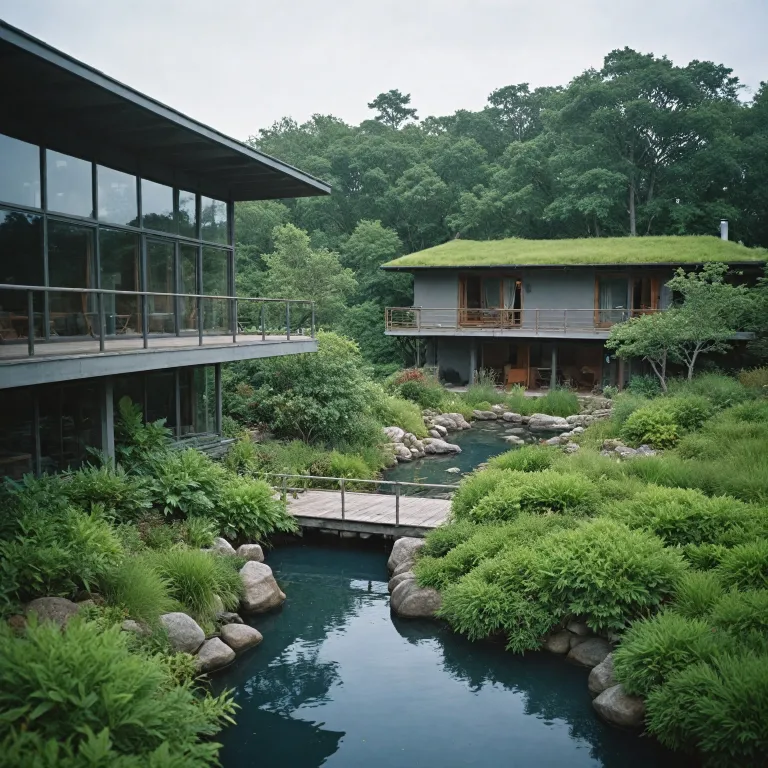
Integrating sustainable architecture in hotel design for environmental impact reduction
Eco-friendly hotel architecture has become a cornerstone in the hospitality industry, responding to the urgent need for sustainability and environmental stewardship. Hotels are significant contributors to global resource consumption, making the adoption of sustainable architecture and green building practices essential. By prioritizing energy-efficient systems, water conservation, and the use of renewable energy, hotels can significantly reduce their environmental impact while enhancing the guest experience. Sustainable design strategies, such as natural ventilation, daylight optimization, and the integration of biophilic elements, create a harmonious relationship between the building and nature. These approaches not only lower energy consumption but also foster a sense of well-being among guests, aligning with the growing demand for eco conscious travel.
Architects and designers specializing in sustainable architecture play a pivotal role in shaping the future of eco friendly hotels. Their expertise ensures that each hotel project incorporates sustainable materials, energy-efficient HVAC systems, and innovative waste management solutions. The hospitality industry is increasingly adopting best practices that emphasize the use of locally sourced materials, green roofs, and rainwater harvesting systems. These measures contribute to the overall sustainability of hotel buildings and set new standards for environmental responsibility. The concept of boutique hotel design has also evolved, with many properties embracing eco friendly principles to attract environmentally aware guests and investors.
Environmental consultants and hotel developers collaborate closely to assess the environmental impact of each project, ensuring compliance with sustainability goals. The integration of smart technologies for energy management and the adoption of net-zero energy building designs are becoming standard in sustainable hotels. As a result, the hospitality industry is witnessing a paradigm shift towards eco conscious operations, where every aspect of hotel design and renovation is evaluated through the lens of sustainability. This holistic approach not only benefits the environment but also enhances the long-term value and appeal of hotel properties.
Innovative materials and technologies shaping sustainable hotel architecture
The selection of materials is a critical factor in eco-friendly hotel architecture, directly influencing the sustainability and environmental impact of each project. Sustainable hotels are increasingly utilizing recycled, renewable, and locally sourced materials to minimize their carbon footprint. These materials, such as bamboo, reclaimed wood, and low-VOC paints, contribute to healthier indoor environments and reduce the overall environmental burden. The hospitality industry recognizes that sustainable design extends beyond aesthetics, requiring a thoughtful approach to material selection and lifecycle analysis.
Advanced technologies are transforming the way hotels manage energy consumption and waste. Energy-efficient lighting, smart thermostats, and building automation systems enable precise control over energy use, resulting in significant cost savings and reduced greenhouse gas emissions. Water-saving fixtures, greywater recycling, and rainwater harvesting systems are now standard features in many eco friendly hotels, addressing the critical issue of water scarcity. The integration of renewable energy sources, such as solar panels and geothermal systems, further enhances the sustainability of hotel operations.
Asset managers and investors are increasingly prioritizing sustainability in their decision-making processes, recognizing the long-term benefits of eco friendly hotel architecture. The adoption of green building certifications and participation in sustainability programs signal a commitment to environmental stewardship and responsible hospitality. For technical directors and FF&E suppliers, the challenge lies in sourcing products that meet stringent sustainability criteria without compromising on quality or guest comfort. The hospitality industry’s shift towards sustainable architecture is driving innovation across the supply chain, fostering collaboration among all stakeholders.
Biophilic design and guest experience in eco friendly hotels
Biophilic design principles are increasingly integrated into eco-friendly hotel architecture, enhancing the connection between guests and nature. This approach leverages natural elements such as living walls, green roofs, and indoor gardens to create restorative environments that promote well-being. Sustainable hotels that embrace biophilic design not only reduce their environmental impact but also offer unique guest experiences that differentiate them in a competitive market. The hospitality industry recognizes that the guest experience is central to the success of any hotel, and sustainable design plays a vital role in shaping perceptions and satisfaction.
Energy efficiency and water conservation are seamlessly woven into the guest journey, with intuitive controls for lighting, temperature, and water use. Guests are increasingly seeking out hotels that demonstrate a genuine commitment to sustainability, valuing transparency and authenticity in environmental practices. The concept of the eco conscious boutique hotel has gained traction, offering personalized experiences that align with guests’ values and expectations. By incorporating sustainable architecture and green building practices, hotels can create memorable stays that foster loyalty and positive word-of-mouth.
Environmental consultants and designers collaborate to ensure that every aspect of the hotel, from FF&E selection to waste management, supports sustainability goals. The integration of renewable energy and energy-efficient systems not only reduces operational costs but also enhances the overall guest experience.
Operational strategies for maximizing sustainability in hotel management
Effective management of eco-friendly hotels requires a comprehensive approach to sustainability, encompassing both operational practices and long-term planning. Hotel operators are implementing best practices such as energy monitoring, waste reduction, and water conservation to minimize their environmental impact. The adoption of energy-efficient systems, including LED lighting and high-performance insulation, contributes to lower energy consumption and operational costs. Sustainable hotels also prioritize staff training and guest education, fostering a culture of environmental responsibility throughout the property.
Asset managers and technical directors play a crucial role in overseeing the implementation of sustainability initiatives, ensuring that hotel operations align with environmental goals. The integration of smart technologies for energy management enables real-time monitoring and optimization of building performance. This data-driven approach allows hotels to identify opportunities for improvement and track progress towards sustainability targets. The hospitality industry is increasingly recognizing the value of transparent reporting and third-party certifications, which provide assurance to guests and investors alike.
Waste management is another critical aspect of sustainable hotel operations, with many properties adopting composting, recycling, and food waste reduction programs. The use of eco friendly cleaning products and sustainable FF&E further supports the overall sustainability of the hotel.
Economic and environmental benefits of sustainable hotel architecture
Investing in eco-friendly hotel architecture yields significant economic and environmental benefits for all stakeholders in the hospitality industry. While the initial costs of sustainable design and construction may be higher, the long-term savings from reduced energy consumption and operational efficiencies are substantial. Sustainable hotels often experience lower utility bills, increased asset value, and enhanced marketability, attracting eco conscious guests and investors. The adoption of renewable energy sources and energy-efficient technologies further contributes to cost savings and resilience against rising energy prices.
The environmental impact of hotels is significantly reduced through the implementation of green building practices and sustainable materials. By minimizing waste, conserving water, and reducing greenhouse gas emissions, hotels demonstrate their commitment to environmental stewardship and corporate social responsibility. The hospitality industry is setting new benchmarks for sustainability, with many properties achieving net-zero energy status and leading the way in climate change mitigation. The integration of sustainable architecture and design not only benefits the environment but also enhances the reputation and competitiveness of hotels in a crowded marketplace.
Guests are increasingly making choices based on the environmental credentials of hotels, rewarding those that prioritize sustainability with repeat business and positive reviews. The concept of the friendly hotel has evolved to encompass a holistic approach to sustainability, where every aspect of the guest experience is considered through an eco friendly lens. As the demand for sustainable hotels continues to grow, the industry must remain agile and innovative, embracing new technologies and best practices to meet the evolving expectations of guests and stakeholders.
Collaboration and future trends in eco friendly hotel development
The future of eco-friendly hotel architecture lies in collaboration and continuous innovation across the hospitality industry. Architects, designers, hotel developers, and environmental consultants must work together to push the boundaries of sustainable design and construction. Partnerships with local communities, sustainable material suppliers, and environmental organizations are essential for achieving meaningful progress in reducing the environmental impact of hotels. The integration of smart technologies, biophilic design, and renewable energy sources will continue to shape the evolution of sustainable hotels.
Emerging trends such as net-zero energy building designs, circular economy principles, and regenerative hospitality are redefining the standards for eco friendly hotel architecture. The hospitality industry is embracing a holistic approach to sustainability, where every decision is evaluated for its environmental, social, and economic impact. Asset managers and investors are increasingly seeking opportunities in sustainable hotels, recognizing the long-term value and resilience of eco conscious properties. The role of FF&E suppliers and technical directors is also evolving, with a focus on sourcing and implementing products that meet rigorous sustainability criteria.
As the industry moves forward, the importance of transparent communication and stakeholder engagement cannot be overstated. Guests, staff, and local communities all play a role in supporting the sustainability goals of hotels. By fostering a culture of innovation and collaboration, the hospitality industry can continue to lead the way in sustainable architecture and design, setting new benchmarks for environmental responsibility and guest experience. As stated in the dataset, "An eco-friendly hotel implements sustainable practices to minimize its environmental impact, such as using renewable energy, conserving water, and sourcing materials locally."
Key statistics on sustainable hotel architecture
- 60% of hotels have implemented energy-efficient systems (Global Sustainable Tourism Council).
- Hotels have achieved a 30% reduction in water usage through sustainable practices (World Tourism Organization).
Frequently asked questions about eco-friendly hotel architecture
What defines an eco-friendly hotel?
An eco-friendly hotel implements sustainable practices to minimize its environmental impact, such as using renewable energy, conserving water, and sourcing materials locally.
How do green hotels benefit the environment?
Green hotels reduce resource consumption, lower greenhouse gas emissions, and promote biodiversity through sustainable design and operations.
Are eco-friendly hotels more expensive to build?
While initial construction costs may be higher due to sustainable materials and technologies, eco-friendly hotels often experience long-term savings through energy efficiency and operational cost reductions.
Trusted sources for sustainable hotel architecture
- Global Sustainable Tourism Council
- World Tourism Organization
- Green Building Council