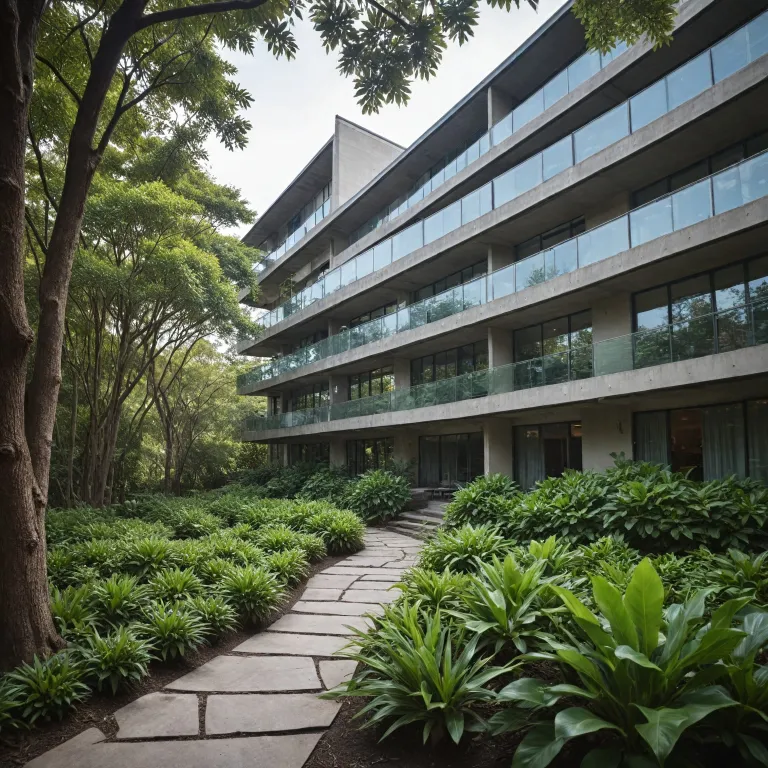
Integrating green building certifications into hotel architecture and design
Hotels with green building certifications are redefining the standards of hospitality architecture and design. The pursuit of LEED, Green Key, and Green Seal certifications is now integral to the planning and construction of both new hotels and renovation projects. These certifications demand rigorous attention to energy efficiency, water conservation, sustainable materials, and indoor air quality, influencing every stage from concept to completion.
Architects and designers are increasingly collaborating with technical directors, asset managers, and FF&E suppliers to ensure that every element—from low emitting materials to water efficient fixtures—meets the criteria for green building certification. The integration of energy efficient systems, such as LED lighting and advanced HVAC, is essential for achieving LEED Silver, Gold, or even Platinum status. These efforts not only reduce the environmental footprint of hotels but also enhance guest comfort and operational efficiency.
In cities like Nashville and Washington, the demand for certified hotels is accelerating. For example, the Marriott Marquis in Washington stands as a benchmark for LEED certified hotels, showcasing how thoughtful design and construction can achieve both sustainability and luxury. The use of locally sourced, sustainable materials and the implementation of construction waste management protocols are now standard practices in the industry.
FF&E and materials selection for certified hotels: balancing aesthetics and sustainability
Furniture, fixtures, and equipment (FF&E) selection is pivotal in achieving green building certifications for hotels. Designers and suppliers must prioritize materials that are not only aesthetically pleasing but also environmentally responsible and low emitting. The use of recycled, rapidly renewable, and regionally sourced materials is a hallmark of LEED certified hotels, contributing to both sustainability and indoor air quality.
Asset managers and investors are increasingly aware of the long-term value that sustainable FF&E brings to certified hotels. Water efficient appliances, energy saving lighting, and eco-friendly textiles are now standard in LEED Silver and Gold certified properties. The selection process often involves close collaboration with the U.S. Green Building Council and other certification bodies to ensure compliance with the latest green building standards.
In Nashville, hotel projects are leveraging innovative FF&E solutions to minimize construction waste and maximize sustainability. The Green Key rating system also encourages hotels to adopt best practices in waste management and energy conservation. For a deeper dive into FF&E trends in sustainable hospitality, visit sustainable FF&E solutions for hotels.
Operational strategies for maintaining green building certifications in hotels
Achieving a green building certification is only the beginning; maintaining it requires ongoing operational commitment. Hotels with LEED certification must continuously monitor energy and water usage, indoor air quality, and waste management practices. Facility managers and technical directors play a crucial role in ensuring that certified hotels uphold the standards required for LEED Silver, Gold, or Platinum status.
Regular audits and performance reviews help hotels identify areas for improvement, such as upgrading to more energy efficient systems or enhancing water conservation measures. The use of smart building technologies enables real-time monitoring of energy consumption and indoor air quality, supporting both sustainability and guest well-being. Certified hotels often engage in staff training programs to reinforce best practices in environmental management.
Hotels in Washington and Nashville are leading examples of how operational excellence can sustain green building certifications over time. The Marriott Marquis, for instance, employs a comprehensive sustainability program that includes construction waste reduction, low emitting materials, and advanced water efficient systems. For more insights on operational excellence in certified hotels, explore hotel sustainability management best practices.
Economic and brand benefits of green building certifications for hotels
Hotels with green building certifications enjoy significant economic and brand advantages. LEED certified hotels often achieve lower operating costs due to reduced energy and water consumption, as well as minimized construction waste. These savings can be substantial over the lifecycle of a hotel, enhancing asset value and investor appeal.
From a branding perspective, certified hotels are increasingly favored by eco-conscious travelers and corporate clients. The environmental credentials of a hotel—such as LEED Silver, Gold, or Platinum certification—serve as powerful marketing tools, differentiating properties in competitive markets like Nashville and Washington. Certified hotels also benefit from enhanced guest satisfaction, as sustainability initiatives often translate into improved indoor air quality and overall comfort.
Hotel owners and operators, such as Host Hotels & Resorts, are expanding their portfolios of LEED certified hotels to meet growing demand for sustainable accommodations. The integration of green building principles into hotel design, construction, and operations is now a strategic imperative for the hospitality industry.
Challenges and innovations in achieving and maintaining green building certifications
Despite the clear benefits, achieving and maintaining green building certifications presents unique challenges for hotels. The complexity of certification processes, the need for specialized materials, and the requirement for ongoing performance monitoring can strain project budgets and timelines. However, industry innovations are helping to address these obstacles.
Hotel-specific sustainability programs, such as IHG Green Engage, streamline the path to certification by providing tailored guidance on energy, water, and waste management. The adoption of advanced building technologies, including smart sensors and automated controls, enables hotels to optimize resource use and maintain high standards of indoor air quality. Collaboration with certification bodies like the U.S. Green Building Council and Green Seal ensures that hotels stay abreast of evolving green building requirements.
As the hospitality industry continues to embrace sustainability, the number of certified hotels is expected to rise. The focus on green building, energy efficiency, and environmental stewardship is reshaping the future of hotel architecture, design, and operations.
Expert perspectives and best practices in sustainable hotel development
Industry leaders emphasize the importance of credibility, expertise, and trust in the pursuit of green building certifications. According to the U.S. Green Building Council, "LEED (Leadership in Energy and Environmental Design) is a globally recognized green building certification system developed by the U.S. Green Building Council, providing a framework for healthy, efficient, and cost-saving green buildings." Hotels pursue green building certifications to demonstrate environmental responsibility, achieve cost savings through energy and water efficiency, and appeal to eco-conscious consumers.
Experts recommend that architects, designers, and asset managers prioritize transparency and collaboration throughout the certification process. Engaging with partners such as Green Key Global and Green Seal can provide valuable insights into best practices for waste reduction, energy conservation, and sustainable construction. Certified hotels are encouraged to communicate their environmental initiatives clearly to guests and stakeholders, reinforcing their commitment to sustainability.
For professionals seeking to advance their knowledge in sustainable hotel development, ongoing education and participation in industry forums are essential. The future of hospitality lies in the continued integration of green building principles, innovative materials, and responsible operational strategies.
Key statistics on hotels with green building certifications
- Number of LEED-certified hotels in the U.S. as of 2025: 478 hotels
- Percentage of Host Hotels & Resorts properties with LEED certification by end of 2024: 24.7%
Frequently asked questions about hotels with green building certifications
What is LEED certification?
LEED (Leadership in Energy and Environmental Design) is a globally recognized green building certification system developed by the U.S. Green Building Council, providing a framework for healthy, efficient, and cost-saving green buildings.
Why do hotels pursue green building certifications?
Hotels pursue green building certifications to demonstrate environmental responsibility, achieve cost savings through energy and water efficiency, and appeal to eco-conscious consumers.
How can I find hotels with green certifications?
You can find hotels with green certifications by looking for recognized labels like LEED, Green Key, or Green Seal in hotel descriptions, or by visiting the websites of these certification bodies for lists of certified properties.