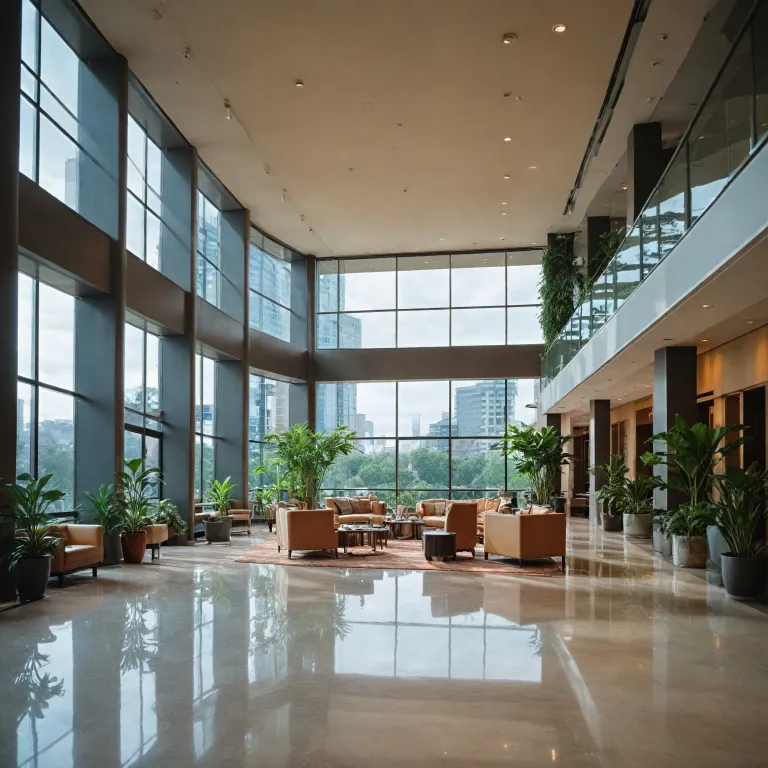
Redefining hotel spaces: the evolution of open concept design
Open concept design has transformed the way hotels approach space, comfort, and guest interaction. Modern hotel architecture increasingly favors open plan layouts that dissolve traditional boundaries between the lobby, lounge, and dining areas. This shift is not only aesthetic but also functional, as it encourages fluid movement and fosters a sense of community among guests. In luxury hotel environments, the open concept is often realized through expansive lobbies, glass partitions, and seamless transitions between indoor and outdoor spaces. The integration of natural materials and large windows enhances the connection with the surrounding environment, a hallmark of contemporary design hotel projects. For asset managers and investors, these design ideas present opportunities to boost occupancy rates and guest satisfaction, as open layouts are associated with a sense of freedom and relaxation. The Morpheus Hotel in Macau exemplifies this trend with its neo-futurist architecture and interconnected spaces. Its lobby and public areas are designed to maximize light and openness, creating a unique arrival experience. Similarly, boutique hotel properties in urban centers like York City are adopting open plan concepts to make the most of small space constraints, offering guests a modern hotel experience that feels both intimate and expansive.Integrating open concept layouts in hotel rooms and suites
The evolution of the hotel room has seen a move towards open concept layouts, where the bedroom, bathroom, and living areas flow into one another. This approach is particularly effective in luxury hotel suites, where maximizing space and light is paramount. Modern hotel rooms with open plan bathrooms and integrated lounge areas cater to guests seeking both privacy and openness. Design hotel projects often utilize sliding glass doors, partial partitions, and clever furniture placement to delineate zones without sacrificing the open feel. The Andaz Tokyo Toranomon Hills, occupying the upper floors of the Mori Tower, offers rooms with panoramic city views and open layouts that blur the line between bedroom and bathroom. This design strategy not only enhances the sense of space but also elevates the overall decor and ambiance. For directions techniques and FF&E suppliers, the challenge lies in selecting materials and fixtures that support the open concept while maintaining durability and ease of maintenance. Bathroom design in open concept hotel rooms requires careful planning to ensure privacy where needed, using frosted glass or movable screens. For more insights on optimizing FF&E selection for open plan hotel rooms, refer to this comprehensive guide on hotel FF&E best practices.Open concept bathrooms: merging privacy with modern luxury
Open concept bathrooms are a defining feature of many modern hotel rooms, especially in boutique hotel and luxury hotel segments. The bathroom hotel trend emphasizes transparency, with glass walls, freestanding tubs, and walk-in showers that are visually connected to the bedroom. This approach enhances the feeling of a spacious suite and allows natural light to permeate the entire room. However, balancing openness with privacy remains a critical consideration. Design ideas such as retractable screens, smart glass, and strategic layout planning enable guests to choose their preferred level of exposure. The Nokken Hotel Cabins, known for their modular design and eco-friendly ethos, incorporate open plan bathrooms that blend seamlessly with the bedroom and living areas, creating a holistic interior design experience. Asset managers and investors are increasingly drawn to hotels with open concept bathrooms, as they signal modernity and luxury to discerning guests. For technical teams and design consultants, the focus is on water-resistant materials, efficient ventilation, and innovative lighting solutions that complement the open layout. For a deeper dive into bathroom design trends in hotels, explore this resource on modern hotel bathroom innovations.Lobby and public space transformation: fostering community and connection
The lobby is often the first impression guests have of a hotel, and open concept design has reimagined this space as a dynamic, multi-functional hub. Modern hotel lobbies now serve as social gathering points, co-working areas, and event venues, all within a single, cohesive space. The use of open layouts, flexible furniture, and biophilic elements creates an inviting atmosphere that encourages interaction. Design hotel properties leverage open plan concepts to maximize the utility of their public areas. The Conrad Manila, inspired by cruise ship design, features a lobby with sweeping views and interconnected zones for dining, relaxation, and business. This approach not only enhances the guest experience but also optimizes operational efficiency for hotel management teams. For suppliers of FF&E and decor, the challenge is to provide furnishings that are both adaptable and visually striking. Interior design in open concept lobbies often incorporates modular seating, statement lighting, and natural materials to create a sense of place.Maximizing small spaces: open concept solutions in boutique hotels
Boutique hotel properties, especially in dense urban environments like York City, face unique challenges in maximizing limited space. Open concept design offers a solution by eliminating unnecessary walls and partitions, allowing natural light to flow freely and making rooms appear larger. Small space hotel rooms with open plan layouts can deliver a sense of luxury and comfort typically associated with larger suites. Design ideas for small space hotels often include integrated storage, multifunctional furniture, and clever use of mirrors to enhance the perception of space. The layout hotel approach prioritizes flexibility, enabling guests to customize their environment according to their needs. Open concept bedrooms and bathrooms, when executed thoughtfully, can provide a boutique hotel experience that feels both exclusive and welcoming. For asset managers and investors, the adoption of open concept layouts in small space hotels can lead to higher guest satisfaction and improved reviews. Interior design teams must carefully balance aesthetics with functionality, ensuring that every element serves a purpose. The success of open concept boutique hotels demonstrates the versatility and appeal of this design philosophy across different market segments.Sustainability and innovation in open concept hotel design
Sustainability is at the forefront of modern hotel design, and open concept layouts offer unique opportunities to integrate eco-friendly practices. The use of large windows and open spaces reduces the need for artificial lighting, while natural materials like timber and stone promote a healthy indoor environment. Modular construction methods, as seen in the Nokken Hotel Cabins, allow for flexibility and adaptability, reducing waste and supporting off-grid living. Energy-efficient technologies, such as smart climate control and solar panels, are increasingly incorporated into open plan hotel projects. Design hotel teams collaborate with local artisans and sustainable material suppliers to create authentic, environmentally responsible interiors. The growing popularity of biophilic design principles further enhances the connection between guests and nature, a key goal for modern hotel brands. As one expert notes, "An open-concept hotel design features layouts that minimize barriers between indoor and outdoor spaces, creating a seamless flow and fostering a connection with the surrounding environment." This approach not only benefits guests but also aligns with the broader industry trend towards responsible, future-proof development. Hotels with open concept designs are poised to lead the way in sustainability and innovation.Key statistics on open concept hotel design
- Andaz Tokyo Toranomon Hills features 164 rooms, each designed with open layouts to maximize city views and guest comfort.
- Morpheus Hotel in Macau stands at 153.7 meters, with interconnected public spaces that exemplify open concept luxury.
- Conrad Manila offers 347 rooms, many with open plan bathrooms and integrated living areas for a modern guest experience.
Frequently asked questions about open concept hotel design
What is an open-concept hotel design?
An open-concept hotel design features layouts that minimize barriers between indoor and outdoor spaces, creating a seamless flow and fostering a connection with the surrounding environment.
Why are open-concept designs popular in hotels?
Open-concept designs are popular because they enhance the guest experience by providing a sense of spaciousness, promoting natural light, and offering immersive connections with nature.
Are open-concept hotels suitable for all climates?
While open-concept designs can be adapted to various climates, considerations such as weather conditions and guest comfort are essential in determining their suitability.
Trustworthy sources for further reading
- https://www.dezeen.com
- https://www.archdaily.com
- https://www.hotelmanagement.net