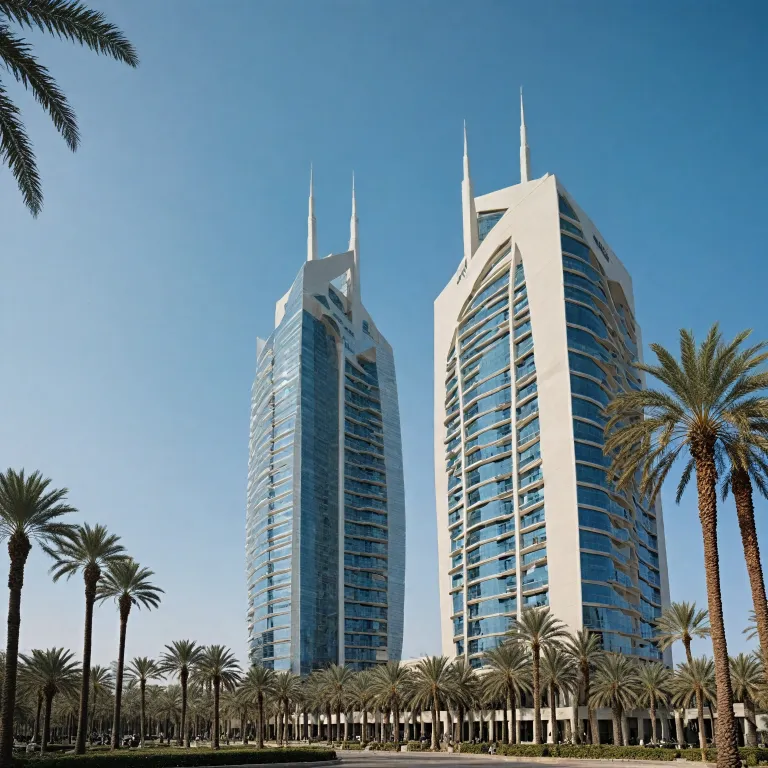
The evolution of iconic hotel architecture in Dubai’s skyline
Dubai’s transformation into a global centre for luxury hospitality is inseparable from its bold approach to hotel architecture. The city’s skyline is punctuated by hotels that have become international symbols, such as the Burj Al Arab and the Atlantis Royal, each representing a unique blend of arab heritage and contemporary design. These buildings are not merely accommodations; they are architectural statements that reflect the ambition of the United Arab Emirates and the vision of the jumeirah group and other leading developers. The construction of luxury hotels in Dubai has been driven by a desire to set new benchmarks in both design and guest experience. The burj khalifa, while primarily a mixed-use tower, has influenced the architectural language of nearby hotel developments, encouraging the integration of advanced engineering and innovative interior design. The city’s real estate market has responded with a surge in hotel dubai projects that prioritize both aesthetic impact and operational excellence. The jumeirah beach area, home to the iconic sail-shaped Burj Al Arab, exemplifies how hotel architecture can become a symbol of a city. As Tom Wright, the architect behind the Burj Al Arab, demonstrated, a building’s form can evoke cultural narratives and elevate a brand’s global profile. The awards-winning hotels of Dubai, including those by the jumeirah group and international partners, continue to attract asset managers, investors, and hospitality professionals eager to participate in the city’s ongoing evolution.Innovative design philosophies shaping luxury hotels in Dubai
The design of luxury hotels in Dubai is characterized by a fusion of arab motifs and cutting-edge technology. Interior design teams collaborate with international architects to create spaces that are both visually stunning and functionally superior. The atlantis royal and the jumeirah burj are prime examples of how design innovation can set a property apart in a competitive market. FF&E suppliers play a crucial role in realizing the vision of architects and designers, ensuring that every element, from bespoke furnishings to advanced lighting systems, aligns with the overall concept. The use of sustainable materials and smart building technologies is increasingly prevalent, reflecting a commitment to environmental responsibility and guest comfort. The integration of these elements is essential for awards-winning hotels seeking to maintain their status as leaders in luxury hospitality. Dubai’s hospitality sector is also notable for its willingness to embrace international trends while remaining rooted in local culture. The arab emirates’ rich artistic traditions are evident in the intricate detailing found throughout hotel interiors, from the grand lobbies of the royal dubai resorts to the intimate suites of boutique properties. For those interested in the latest trends in FF&E and design, the Dubai hospitality design trends page offers valuable insights.Engineering feats and construction challenges in Dubai’s hotel sector
The construction of iconic hotel buildings in Dubai presents unique engineering challenges, from the need to withstand harsh desert climates to the demands of complex structural forms. Wind tunnel testing and computer-aided design (CAD) software are standard tools for ensuring the stability and safety of towers like the burj arab jumeirah and the atlantis royal. The collaboration between local and international engineering consultancies is vital for delivering projects that meet the highest standards of quality and innovation. Sustainable construction practices are increasingly prioritized, with many new hotels incorporating energy-efficient systems and eco-friendly materials. The use of advanced façade technologies helps regulate internal temperatures, reducing energy consumption and enhancing guest comfort. These innovations are particularly important for luxury hotel operators seeking to balance opulence with environmental stewardship. The role of asset managers and real estate investors is critical in driving the adoption of new construction methods and materials. Their focus on long-term value creation encourages the integration of smart technologies and flexible design solutions. For a deeper dive into the technical aspects of hotel construction in Dubai, visit the Dubai hotel construction insights resource.FF&E procurement and the art of luxury hospitality in Dubai
The selection and procurement of FF&E (furniture, fixtures, and equipment) are central to the success of luxury hotels in Dubai. Suppliers work closely with designers and project managers to source items that meet the exacting standards of awards-winning properties. The process involves balancing aesthetic considerations with durability and functionality, ensuring that every piece contributes to the overall guest experience. The jumeirah group and other leading operators place a premium on bespoke solutions, often commissioning custom-made furnishings that reflect the unique identity of each hotel. The atlantis and royal dubai resorts are renowned for their lavish interiors, where every detail is meticulously curated to create a sense of exclusivity and sophistication. This approach extends to public spaces, guest rooms, and even back-of-house areas, underscoring the importance of holistic design in luxury hospitality. International suppliers are increasingly drawn to Dubai’s dynamic market, recognizing the city’s status as a hub for innovation and excellence in FF&E. The demand for high-quality, sustainable products is driving the development of new materials and manufacturing techniques.Interior design excellence: Creating memorable guest experiences
Interior design is at the heart of Dubai’s most expensive hotel projects, shaping the way guests perceive and interact with their surroundings. Designers draw inspiration from the city’s arab heritage, incorporating traditional patterns and motifs into contemporary spaces. The result is a distinctive aesthetic that sets Dubai’s luxury hotels apart from their international counterparts. The atlantis royal and jumeirah dubai properties are celebrated for their immersive environments, where every element is designed to evoke a sense of wonder and delight. Lighting, color palettes, and material choices are carefully orchestrated to create harmonious and inviting atmospheres. The use of local art and craftsmanship further enhances the authenticity of the guest experience, reinforcing the connection between the hotel and its cultural context. Awards-winning interior design teams are adept at balancing form and function, ensuring that spaces are both beautiful and practical. Their expertise is evident in the seamless integration of technology, from smart room controls to interactive digital displays. As the demand for personalized experiences grows, designers are increasingly focused on creating flexible spaces that can adapt to the evolving needs of guests and operators alike.Global recognition and the future of hotel architecture in Dubai
Dubai’s hotel architecture has garnered international acclaim, with numerous properties receiving prestigious awards for design and innovation. The city’s commitment to excellence is reflected in the ongoing development of new landmarks, such as the upcoming Ciel Dubai Marina, which is set to become the world’s tallest hotel. These achievements reinforce Dubai’s reputation as a leader in luxury hospitality and real estate development. The impact of iconic hotel architecture extends beyond aesthetics, influencing the city’s economic growth and global image. As the number of hotel rooms in Dubai approaches 151,000 and annual visitors exceed 10 million, the demand for exceptional hospitality experiences continues to rise. The jumeirah beach and plaza areas remain focal points for new projects, attracting international investors and operators eager to capitalize on the city’s enduring appeal. As one expert notes, "The Burj Al Arab is designed to resemble a billowing sail, symbolizing Dubai's maritime heritage." This commitment to storytelling through architecture ensures that each new hotel contributes to the rich tapestry of Dubai’s urban landscape. The future promises even greater innovation, as designers, asset managers, and suppliers collaborate to shape the next generation of iconic hotels in the Middle East.Key statistics on iconic hotel architecture in Dubai
- Number of hotel rooms in Dubai (2025): 151,000 rooms
- Annual visitors to Dubai (2025): 10,620,000 visitors
Frequently asked questions about iconic hotel architecture in Dubai
What is the tallest hotel in Dubai?
As of 2025, the Gevora Hotel is the tallest hotel in Dubai, standing at 356 meters.
Which hotel in Dubai is shaped like a sail?
The Burj Al Arab is designed to resemble a billowing sail, symbolizing Dubai's maritime heritage.
Are there any upcoming iconic hotels in Dubai?
Yes, the Ciel Dubai Marina, expected to open in 2025, is set to become the world's tallest hotel upon completion.
Trusted sources for further information on Dubai hotel architecture
- https://www.archdaily.com/
- https://www.hoteliermiddleeast.com/
- https://www.designmena.com/