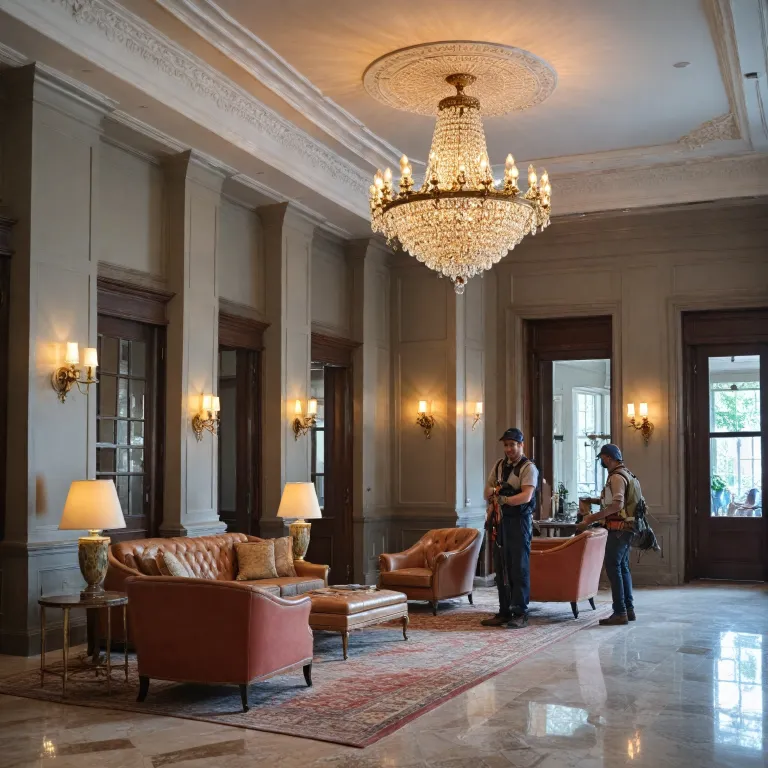
Understanding the fundamentals of hotel renovation costs and budgeting
Renovation projects in the hospitality industry demand precision, strategic planning, and a deep understanding of cost structures. The hotel renovation cost guide serves as an essential resource for architects, designers, asset managers, and investors seeking to optimize their renovation process. Each hotel renovation is unique, shaped by the property’s size, segment, and the specific goals of the renovation project. For example, the cost per room for economy and midscale hotels averages around 6,000 EUR, while upscale and luxury properties may see costs rise to 35,000 EUR per room. These figures highlight the importance of accurate cost estimation and the need for a tailored approach to each renovation hotel project.
Key factors influencing renovation costs include the scope of work, material selection, labor rates, and compliance with local regulations. The renovation process must account for both direct and indirect costs, such as FF&E costs, permits, and contingency buffers. Asset managers and hotel owners should check the latest market analysis reports and leverage cost estimation software to ensure their budgeting aligns with current trends in hotel renovations. The ultimate guide to hotel renovation costs emphasizes the necessity of aggregating total costs by multiplying per-room estimates by the number of rooms, ensuring a comprehensive financial overview for each renovation hotel project.
Successful hotel renovations require collaboration among hotel owners, architects, interior designers, and contractors. The guide hotel approach integrates expertise from all stakeholders, ensuring that every aspect of the renovation process—from lighting and furniture selection to guest room upgrades—meets both aesthetic and functional objectives. By understanding the fundamentals outlined in the hotel renovation cost guide, stakeholders can navigate the complexities of renovation projects and achieve optimal outcomes for their properties.
Key cost drivers and their impact on hotel renovation projects
Identifying and managing cost drivers is crucial for the success of any hotel renovation. The hotel renovation cost guide highlights several primary factors that influence renovation costs, including hotel size, segment, and the intended guest experience. For instance, a full renovation of a midscale hotel room may require a budget of 15,000 EUR per room, while selective upgrades focused on lighting or furniture can reduce the overall cost room figure. The choice of materials, FF&E manufacturer partnerships, and the complexity of the renovation process all contribute to the final renovation costs.
Design considerations play a significant role in shaping the cost structure of renovation projects hotel-wide. Interior design upgrades, such as bespoke hotel furniture or advanced lighting systems, can elevate the guest experience but may also increase the renovation cost. Asset managers and investors must weigh the benefits of these enhancements against the overall budget, ensuring that each investment aligns with the property’s positioning in the hospitality industry. The renovation hotel process often involves balancing aesthetic ambitions with operational requirements, particularly in high-traffic guest room areas.
Labor and compliance costs are additional drivers that can impact the timeline and budget of hotel renovations. Engaging experienced contractors and adhering to local building codes is essential for minimizing risks and avoiding costly delays. The hotel renovation cost guide recommends adding a contingency buffer of 10-15% to account for unforeseen changes during the renovation process. For further insights on optimizing project management and cost control, refer to this comprehensive resource on hotel project management best practices.
Strategic planning for successful hotel renovation projects
Effective planning is the cornerstone of every successful hotel renovation. The hotel renovation cost guide underscores the importance of defining the project scope early, whether the focus is on guest room upgrades, public area enhancements, or full property transformations. By establishing clear objectives and timelines, stakeholders can streamline the renovation process and mitigate potential disruptions to hotel operations. Strategic planning also involves selecting the right partners, from FF&E suppliers to construction teams, ensuring that each phase of the renovation aligns with the overall vision for the property.
Budgeting for renovation costs requires a granular approach, with detailed line-item estimates for construction, FF&E, labor, and compliance expenses. The guide hotel methodology advocates for the use of advanced cost estimation tools and market analysis reports to inform decision-making. Asset managers and investors should check the latest benchmarks for renovation costs, leveraging data from industry leaders to validate their assumptions. This approach not only enhances financial transparency but also supports more accurate forecasting for future renovation projects.
Communication among stakeholders is vital throughout the renovation process. Regular project meetings, progress check-ins, and transparent reporting help ensure that all parties remain aligned on project goals and timelines. For a deeper exploration of strategic planning in hospitality renovations, visit this guide on strategic hotel renovation planning. By adhering to the principles outlined in the hotel renovation cost guide, stakeholders can achieve successful hotel renovations that deliver lasting value to both guests and investors.
FF&E selection and its influence on renovation costs
Furniture, fixtures, and equipment (FF&E) represent a significant portion of hotel renovation costs. The hotel renovation cost guide emphasizes the need for careful selection of FF&E to balance quality, durability, and design appeal. Choosing the right manufacturer can impact both the upfront investment and the long-term maintenance costs associated with hotel furniture and lighting. In many renovation projects, FF&E costs account for up to 40% of the total renovation budget, making it a critical area for cost optimization.
Designers and procurement teams must evaluate FF&E options based on their suitability for the intended guest experience and the specific requirements of each hotel room. Custom-designed furniture and lighting solutions can differentiate a property in a competitive market, but they may also increase the cost room allocation. The renovation process should include a thorough review of manufacturer credentials, product warranties, and sustainability certifications to ensure that FF&E investments support the hotel’s brand values and operational goals.
Collaboration with trusted FF&E suppliers is essential for maintaining project timelines and quality standards. The hotel renovation cost guide recommends establishing long-term partnerships with manufacturers who understand the unique demands of the hospitality industry. By prioritizing FF&E selection within the broader renovation hotel strategy, stakeholders can enhance guest satisfaction and maximize the return on investment for their renovation projects.
Design trends and sustainability in hotel renovations
Contemporary hotel renovations are increasingly shaped by design trends that prioritize sustainability, technology integration, and unique guest experiences. The hotel renovation cost guide highlights the growing emphasis on energy-efficient lighting, eco-friendly materials, and smart room technologies. These innovations not only enhance the guest room environment but also contribute to long-term cost savings and operational efficiency. Design professionals must stay abreast of emerging trends to ensure that renovation projects remain competitive in the evolving hospitality industry.
Localized design elements and bespoke furniture solutions are gaining traction as hotels seek to differentiate their properties and create memorable guest experiences. The renovation process often involves close collaboration between architects, interior designers, and FF&E manufacturers to deliver cohesive and impactful design outcomes. While these enhancements can increase renovation costs, they also support higher room rates and improved guest satisfaction scores. The ultimate guide to hotel renovation costs encourages stakeholders to evaluate the return on investment for each design decision, balancing innovation with budgetary constraints.
Sustainability certifications and green building standards are becoming standard requirements for renovation projects hotel-wide. Asset managers and investors should check compliance with local and international sustainability benchmarks, ensuring that renovation hotel initiatives align with broader environmental goals. By integrating sustainable design principles into the renovation process, stakeholders can future-proof their properties and enhance their reputation within the hospitality industry.
Managing timelines, disruptions, and guest experience during renovations
Minimizing operational disruptions and maintaining a positive guest experience are critical challenges during hotel renovations. The hotel renovation cost guide advises stakeholders to develop phased renovation schedules that allow for continued hotel operations while work is underway. Effective communication with guests, staff, and contractors is essential for managing expectations and reducing the impact of construction activities on the guest room and public area environments. Strategic planning and clear signage can help guide hotel guests through temporary changes, preserving brand reputation and guest loyalty.
Time management is a key factor in controlling renovation costs and ensuring project success. Delays in the renovation process can lead to increased labor and material expenses, as well as lost revenue from out-of-service rooms. The renovation hotel strategy should include contingency plans for unforeseen challenges, such as supply chain disruptions or regulatory changes. Asset managers and project teams must monitor progress closely, using project management tools to track milestones and address issues proactively.
Maintaining high standards of cleanliness and safety throughout the renovation process is vital for protecting both guests and staff. The hotel renovation cost guide recommends regular site inspections and adherence to health and safety protocols to minimize risks. By prioritizing guest experience and operational continuity, stakeholders can achieve successful hotel renovations that enhance property value and support long-term growth in the hospitality industry.
Expert insights and industry benchmarks for renovation budgeting
Industry benchmarks and expert insights are invaluable for informing renovation budgeting and decision-making. The hotel renovation cost guide draws on data from leading partners such as Nehmer and HVS Design, Benjamin West, and Ironstar Construction Inc. These organizations provide up-to-date cost estimates and best practices for managing renovation projects hotel-wide. As stated in the dataset, "Factors include hotel size and segment, scope of work, material quality, labor costs, location, and compliance requirements." This quote underscores the multifaceted nature of renovation costs and the need for a holistic approach to budgeting.
Asset managers and investors should regularly check the latest cost estimation guides and market analysis reports to stay informed about trends in renovation costs. The ultimate guide to hotel renovation costs recommends incorporating a contingency buffer of 10-15% to account for unforeseen expenses. By leveraging industry benchmarks and expert advice, stakeholders can develop realistic budgets that support both short-term project success and long-term property value.
Continuous learning and adaptation are essential for staying competitive in the hospitality industry. The hotel renovation cost guide encourages stakeholders to participate in industry forums, attend conferences, and engage with trusted partners to share knowledge and refine their renovation strategies. By embracing a culture of innovation and collaboration, hotel owners, designers, and asset managers can achieve successful hotel renovations that set new standards for excellence in the market.
Key statistics for hotel renovation costs and benchmarks
- Average cost per room for economy and midscale hotels: 6,000 EUR
- Average cost per room for midscale full renovations: 15,000 EUR
- Average cost per room for upscale and luxury hotels: 35,000 EUR
Frequently asked questions about hotel renovation costs
What factors influence hotel renovation costs?
Factors include hotel size and segment, scope of work, material quality, labor costs, location, and compliance requirements.
How often should hotels undergo renovations?
Typically, hotels should consider renovations every 5-7 years to maintain competitiveness and guest satisfaction.
What is the ROI period for hotel renovations?
The return on investment for hotel renovations usually ranges from 3 to 7 years, depending on the scope and market conditions.
Trusted sources for hotel renovation cost information
- https://lwrenovate.com
- https://www.nehmer.com
- https://www.hvsdesign.com