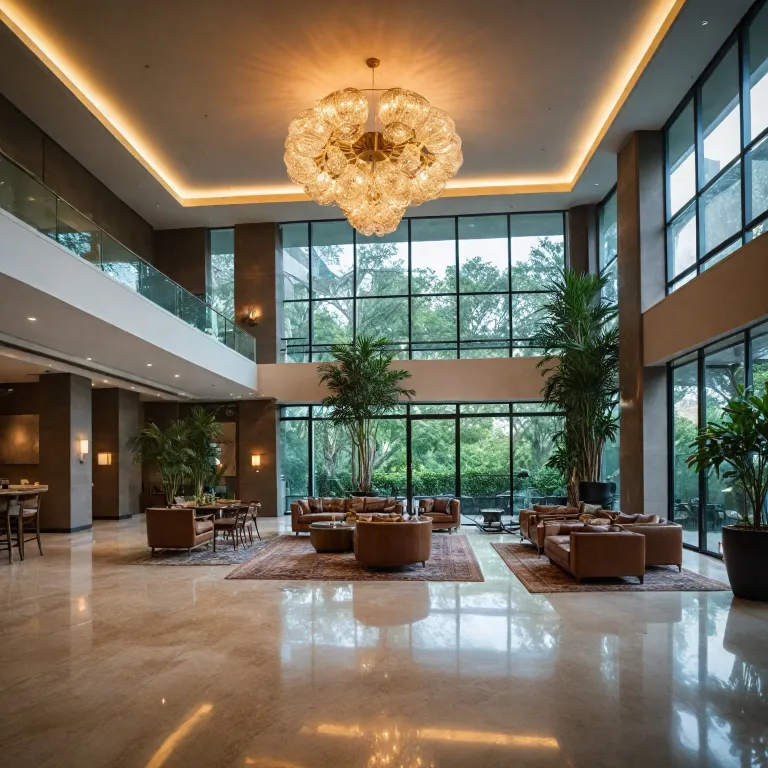
Redefining luxury hotel spaces: the evolution of modern hotel design inspiration
Modern hotel design inspiration is transforming the hospitality landscape, with architecture and interior design professionals prioritizing guest experience and operational efficiency. Today, the concept of a hotel extends beyond simple accommodation, integrating innovative hotel ideas that blend comfort, technology, and sustainability. The lobby, once a mere reception area, now serves as a multifunctional space where guests interact, relax, and engage with local culture.
Designers and architects are reimagining the hotel lobby as a dynamic environment, incorporating flexible seating, curated lighting, and bespoke wall installations. The reception desk is often replaced by open, inviting front desk concepts that foster a seamless check-in process. These design ideas reflect a shift toward spaces that are both functional and aesthetically compelling, enhancing the overall guest experience.
Luxury hotel projects increasingly emphasize eco friendly materials and smart systems, integrating local craftsmanship to create authentic atmospheres. The use of natural stone, reclaimed wood, and regionally inspired art on walls and ceilings brings a sense of place to every room. As a result, hotel design today is a sophisticated balance of innovation, sustainability, and cultural relevance, setting new standards for boutique hotel and design hotel developments.
Smart systems and technology: shaping the future of hotel room and guest experience
Smart technology is at the core of modern hotel design inspiration, fundamentally changing how guests interact with their environment. Innovative hotel systems such as mobile check-in, digital room keys, and voice-activated controls are now standard in luxury hotel and boutique hotel settings. These advancements streamline the guest journey from the moment they enter the reception area to their time spent in the hotel room.
Lighting and climate control systems are increasingly automated, allowing guests to personalize their room design and comfort levels. The integration of IoT devices enables real-time adjustments to lighting, temperature, and entertainment, enhancing the guest experience while optimizing energy efficiency. In both singular and plural forms, these systems are designed to be intuitive, supporting the needs of diverse guests and contributing to the overall design modern ethos.
Asset managers and real estate investors recognize the value of technology-driven hotel spaces, as these features attract tech-savvy travelers and improve operational performance. The future of hotel design lies in the seamless integration of digital solutions, ensuring that every space, from the lobby to the dining area, supports a memorable and efficient stay.
Sustainable architecture design: eco friendly strategies for modern hotel renovation
Eco friendly principles are central to modern hotel design inspiration, influencing every aspect of architecture, FF&E, and renovation. Sustainable hotel design ideas focus on minimizing environmental impact through the use of recycled and locally sourced materials. As one expert notes, "Sustainable hotel design focuses on using recycled and locally sourced materials, implementing energy-efficient systems, and adopting water conservation practices to minimize environmental impact."
Designers are increasingly collaborating with local artisans to incorporate unique furnishings and art, infusing hotel spaces with regional character. The use of energy-efficient lighting, water-saving systems, and green roofs further supports the sustainability agenda. These strategies not only reduce operational costs but also appeal to environmentally conscious guests seeking authentic, responsible travel experiences.
Renovation projects now prioritize flexible spaces that can adapt to changing guest needs and market trends. The integration of eco friendly systems and materials is redefining the standards of luxury hotel and design hotel projects, ensuring long-term value for owners, asset managers, and guests alike.
Local culture and authenticity: infusing hotel spaces with regional identity
Authenticity is a driving force in modern hotel design inspiration, with architecture and interior design professionals seeking to create spaces that reflect local culture. As highlighted in the dataset, "Authentic design elements, such as locally sourced materials and regionally inspired art, create a unique and immersive experience for guests, fostering a deeper connection to the destination and its culture."
Collaborations with local artisans and craftspeople result in bespoke FF&E solutions, from custom wall hangings to handcrafted furniture. These elements transform the hotel lobby, dining areas, and guest rooms into vibrant showcases of regional artistry. The reception desk and front desk are often designed as focal points, featuring materials and motifs that tell the story of the locale.
Design hotel and boutique hotel projects benefit from this approach, attracting travelers who value meaningful connections and authentic experiences. By integrating local influences, hotels create memorable spaces that resonate with guests and support community engagement.
Innovative FF&E and flexible spaces: adapting to evolving guest needs
Furniture, fixtures, and equipment (FF&E) play a pivotal role in modern hotel design inspiration, enabling the creation of adaptable and multifunctional spaces. Today’s hotel room and public areas are designed to accommodate diverse guest preferences, from business travelers to families. The use of modular furniture and movable walls allows for rapid reconfiguration of spaces, supporting a variety of activities and events.
Lighting design is equally important, with layered lighting systems enhancing ambiance and functionality in both singular and plural spaces. Ceiling features, such as acoustic panels and integrated lighting, contribute to the overall design modern aesthetic while improving comfort and acoustics. Dining areas are reimagined as flexible environments that can transition from casual to formal settings, reflecting the evolving expectations of guests.
Asset managers and investors recognize the value of innovative FF&E solutions in maximizing real estate potential and guest satisfaction. The integration of smart systems and sustainable materials further elevates the guest experience, ensuring that every hotel space is both beautiful and practical. These design ideas are setting new benchmarks for luxury hotel and boutique hotel projects worldwide.
Enhancing guest experience through holistic design concepts
Modern hotel design inspiration is ultimately about creating holistic environments that prioritize guest experience at every touchpoint. The architecture design process now involves close collaboration between hotel owners, architects, interior designers, sustainability consultants, and technology integrators. This multidisciplinary approach ensures that every aspect of the hotel, from the lobby to the hotel room, is thoughtfully considered and expertly executed.
As noted in the dataset, "Modern hotels are integrating smart technologies such as mobile check-in, digital room keys, voice-activated controls, and personalized in-room settings to provide seamless and convenient experiences for guests." These innovations, combined with authentic local elements and eco friendly systems, result in spaces that are both luxurious and responsible. The reception area, dining spaces, and guest rooms are designed to foster comfort, connection, and well-being.
Design hotel and boutique hotel projects that embrace these principles are well positioned to attract discerning guests and build lasting brand loyalty. The future of hotel design lies in the continuous pursuit of excellence, innovation, and authenticity, ensuring that every stay is a memorable and meaningful experience.
Key statistics on modern hotel design inspiration
- There has been a 516% increase in searches for "wall hanging tapestry," reflecting a growing interest in unique wall design ideas for hotel spaces. (Homes & Gardens)
- 56% of families now choose hotels based on the quality of kids' clubs, highlighting the importance of flexible and engaging spaces in modern hotel design. (Hospitality Net)
Frequently asked questions about modern hotel design inspiration
What are the key elements of sustainable hotel design?
Sustainable hotel design focuses on using recycled and locally sourced materials, implementing energy-efficient systems, and adopting water conservation practices to minimize environmental impact.
How is technology enhancing guest experiences in modern hotels?
Modern hotels are integrating smart technologies such as mobile check-in, digital room keys, voice-activated controls, and personalized in-room settings to provide seamless and convenient experiences for guests.
Why is authenticity important in hotel design?
Authentic design elements, such as locally sourced materials and regionally inspired art, create a unique and immersive experience for guests, fostering a deeper connection to the destination and its culture.
Trusted sources for further reading on modern hotel design inspiration
- https://www.hospitalitynet.org
- https://www.dezeen.com
- https://www.archdaily.com