From global sameness to hotel artisan craft design as strategy
Walk through enough international hotels and the pattern is clear. The same neutral interior design palette, the same abstract art above the bed, the same lobby furniture that could stand in any commercial project from airport to shopping mall. For revenue leaders and design teams, that global sameness quietly erodes pricing power, because guests struggle to remember which hotel delivered which stay and which interior actually shaped their experience.
Hotel artisan craft design offers a different path, treating local artisans not as decorative extras but as core contributors to brand positioning and the overall hotel design concept. When a boutique hotel invests in a carved stone reception desk from a regional workshop or a hand woven textile wall in the lobby, it creates a unique visual and tactile memory that competitors cannot easily copy. In a market where people resist mass product sameness and demand authenticity, that specificity becomes a commercial argument, not just an aesthetic flourish.
The handicrafts market already exceeds hundreds of billions of dollars globally, driven by travellers who value provenance and story as much as material quality. Luxury hotels that integrate commissioned art and craft into their interior design tap into this demand, but only when the work is structurally integrated into the spatial narrative rather than scattered as afterthought décor. For asset managers and investors, the question is no longer whether craft belongs in a design hotel, but where it delivers measurable uplift in rate, loyalty and brand equity across the life of the property.
Craft as differentiation: regional identity that guests can feel
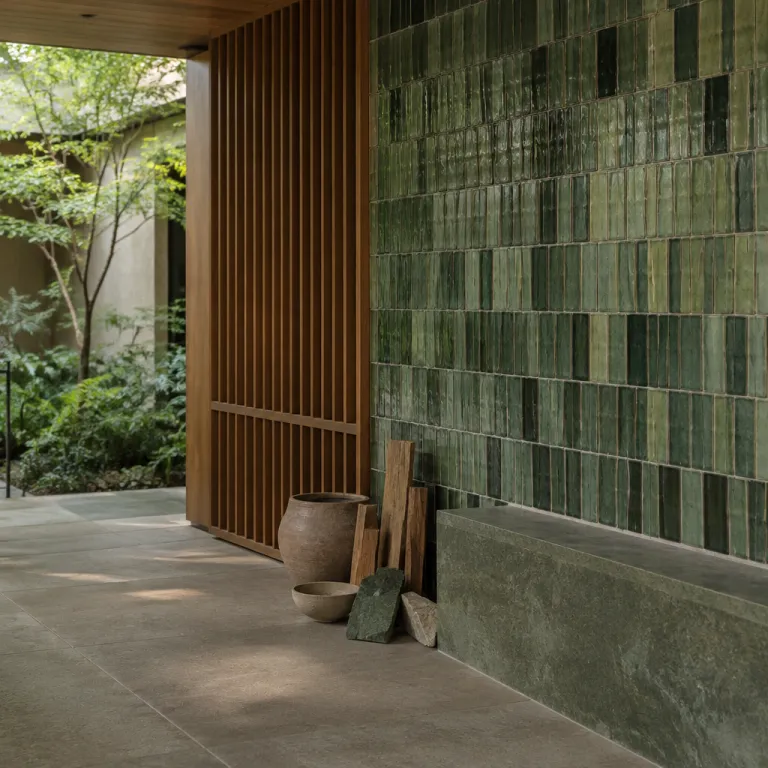
For hospitality architects and designers, the strongest hotel artisan craft design projects start with geography, not mood boards. Regional stone, timber, textiles and metalwork anchor the interior in a specific landscape, allowing guests to read the hotel as part of local life rather than a neutral global box. This is where artisan made elements in the lobby, restaurant and guestrooms move beyond art objects and become structural components of the interior design narrative that people can immediately sense.
Signals that differentiate serious artisan work are consistent across markets: story of origin, visible craft, material provenance, scarcity, identity coherence. Those signals matter because, as research shows, “Does artisan commission always increase willingness to pay? Not always; improved brand attitude but not always higher willingness to pay for handmade cues. Key signals that differentiate artisan brands? Story of origin, visible craft, material provenance, scarcity, identity coherence. Risks of using artisan craft as differentiation? Tokenism, clichés, high costs, scaling difficulties.” When the hotel team curates these signals carefully, guests perceive the property as both luxury and grounded, which supports ADR without sliding into themed pastiche.
Biophilic strategies amplify this effect when regional craft and natural light are specified together in the same spaces. A carved timber screen that modulates daylight in a design hotel lobby, or hand thrown ceramic shades that soften glare in a restaurant, connects guests to both place and climate in a way that stock luminaires never will. For commercial directors, these crafted touchpoints become the images that circulate in news coverage and social feeds, reinforcing the hotel as a unique destination rather than one more anonymous entry in the chain portfolio.
Briefing the maker: from design intent to buildable commission
The most elegant artisan pieces in hotel design rarely start with a romantic sketch; they start with a technical brief. Architects and interior designers who work well with artisans translate concept images into dimensioned drawings, performance criteria and clear tolerances that respect both building codes and the maker’s process. That discipline is what turns a poetic idea for a lobby screen or restaurant bar front into a durable element that stands up to contract use and supports the wider interior design language.
A robust brief for hotel artisan craft design should specify substrate, fixings, cleaning regimes and expected traffic, not just pattern and colour. For example, a hand hammered metal reception desk front in a luxury boutique hotel needs defined impact resistance, edge protection and integration with the back of house millwork, otherwise the piece will age badly under luggage collisions. The same applies to sculpted timber wall panels placed near natural light sources, where designers must coordinate with façade consultants to avoid UV damage and glare that undermines guest comfort, as explored in the natural light audit approach.
Equally important is aligning the artisan’s production rhythm with the project’s commercial realities. Design teams should involve the maker early in mock ups, pricing and value engineering, so that any simplifications preserve the integrity of the art while meeting budget. When the artisan, the hotel project team and the contractor share a single coordinated model or drawing set, the result is a crafted element that feels effortless to guests but is in fact the product of rigorous collaboration between all parties.
Budget, schedule and risk: treating artisans as critical suppliers
Commissioned craft behaves very differently from catalogue FF&E on both budget and schedule. Lead times for bespoke pieces in hotel artisan craft design can stretch over several months, especially when artisans rely on seasonal materials or small équipes, and that reality must be built into the critical path. Treating the maker as a serious supplier rather than a late stage styling resource is the only way to avoid last minute substitutions that dilute the interior design concept and weaken the guest experience.
From a commercial perspective, artisan elements should be modelled as capital investments with specific ROI hypotheses, not vague “nice to have” décor. A hand laid terrazzo floor by a local workshop in the lobby, for example, may carry a higher initial cost than porcelain tile, but its durability and brand impact can support higher rates and lower long term replacement costs, especially when specified using high performance wood and stone strategies similar to those used in resilient hospitality flooring. Asset managers should request clear data on maintenance cycles, repair options and expected life span for each crafted component, then benchmark these against standard contract alternatives.
Single source risk is another factor that hotel teams often underestimate. If one artisan studio is responsible for all custom lighting or casegoods in a design hotel, any production delay or quality issue can jeopardise opening dates. Mitigation strategies include phased approvals, early prototypes, dual sourcing for critical items and retention clauses that align payment with verified performance, ensuring that both guests and owners benefit from the craft without carrying disproportionate operational risk.
Where bespoke belongs: rate, loyalty and the memory hierarchy
Not every surface in a hotel needs to be handmade, and in most projects it should not be. The most effective hotel artisan craft design strategies concentrate bespoke work in the moments that define guest memory: arrival, transition, and intimate pause points. Think of a sculpted reception island in the lobby, a series of hand painted room numbers in the guest corridors, or a single monumental textile behind the restaurant bar that anchors the entire interior and gives people a clear mental image of the place.
These crafted focal points become the images that guests share, the backdrops for people in brand photography, and the scenes that travel editors select when they run news features on new hotels. Because they are non reproducible and tied to local artisans, they support a rate narrative that generic luxury finishes cannot match, especially in competitive boutique hotel markets. At the same time, surrounding these highlights with robust contract furniture and finishes keeps replacement cycles manageable and protects operating margins.
For loyalty, the key is coherence between the crafted elements and the wider life of the property. When guests see the same maker’s work echoed subtly from lobby to guestrooms, and perhaps even in small retail pieces they can take home, the hotel design feels intentional rather than themed. Over time, this coherence strengthens brand recall, supports direct booking preference and positions the property as a reference design hotel in its destination, where artisan craft is not decoration but a clear statement of identity.
FAQ
How should a hotel team start sourcing local artisans for a project ?
Begin with regional craft councils, design schools and established workshops that already supply commercial clients, then validate capacity and lead times through factory or studio visits. Ask for references from other hotels or restaurants, review installed work under real use, and assess how the artisans handle documentation, samples and mock ups. Only after this due diligence should the team move to pricing and detailed commissioning.
Which spaces benefit most from commissioned craft in a hotel ?
Arrival and social spaces usually deliver the strongest return on bespoke investment, especially the lobby, reception, bar and signature restaurant. These are the areas most photographed by guests and media, and they shape first and last impressions of the hotel design. Guestrooms can carry smaller crafted details, but large scale artisan work is best reserved for high impact public zones.
How can asset managers justify artisan spend to investors ?
They should link each major crafted element to specific commercial objectives such as ADR uplift, length of stay, or improved review scores on design and sense of place. This requires benchmarking comparable hotels without artisan features, then tracking performance after opening to validate the strategy. When the data shows stronger rate resilience and loyalty, the artisan investment becomes easier to replicate in future projects.
What are the main operational risks with handmade pieces in hotels ?
The primary risks are durability under heavy use, long repair times and difficulty in replacing damaged items if the artisan ceases production. Mitigation starts with specifying contract grade substrates and finishes, agreeing maintenance protocols, and ordering spare units or materials during the initial production run. Clear warranties and service agreements with the makers further reduce exposure over the asset’s life.
Can artisan craft work within strict brand standards for multi property hotel groups ?
Yes, when the brand standards define performance and spatial principles rather than fixed decorative motifs. Groups can set guidelines for where artisan elements appear, how they relate to natural light and circulation, and what documentation is required, while leaving the actual craft to local makers. This approach preserves operational consistency while allowing each property to express a distinct regional identity.