The waste problem hidden in every refurbishment cycle
Walk any back-of-house corridor during a soft renovation and you will see it ; rows of hotel furniture fixtures and equipment lined up for the skip, structurally sound but aesthetically obsolete. Circular FF&E hotel design asks a harder question at this moment of change, treating every armchair, headboard and piece of decorative lighting as an asset with residual value rather than a disposable styling prop. For hospitality managers and asset owners, that shift turns a silent operational habit into a strategic lever for long term portfolio performance.
The core issue is not failure of furniture or fixtures equipment, but failure of planning and procurement strategy. Case goods, seating and many FF&E items are removed because a brand refresh, new operator or updated brand standards demand a different look, while the equipment and furniture still meet functional standards for guest service. In most hospitality projects, the ff&e budget is still structured around a buy-and-bin model, where the project team optimises initial purchasing cost and lead times, not the total value extracted over multiple refurbishment cycles.
This is where a more rigorous approach to ff&e specification becomes decisive. When interior design teams treat every chair, table and light fitting as part of a circular asset plan, they start to specify furniture fixtures that can be disassembled, reupholstered and reconfigured, rather than glued and stapled into a single aesthetic moment. Circular FF&E hotel design is not a sustainability add-on ; it is a design and procurement framework that lets hotel ff&e outlive one concept, one brand, and sometimes even one operator.
For a VP of design or an asset manager, the question is brutally simple. Does the next renovation send a convoy of trucks to landfill, or does it release a stream of resale, donation and reuse value that shows up in the project ROI and in embodied carbon reporting ? The answer is written years earlier, in the ff&e procurement brief, the os&e procurement strategy, and the way procurement teams are mandated to balance aesthetics, operational performance and residual value.
How circular FF&E reframes value for owners
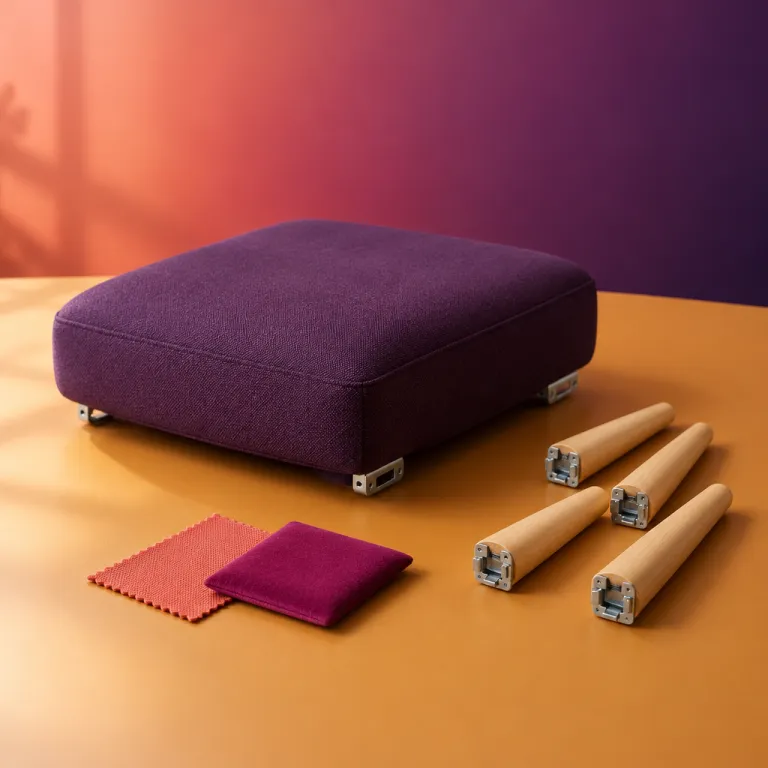
Once you look at a guest room through a circular lens, the waste becomes obvious. Bed bases, wardrobes and desks are often built as monolithic furniture items, impossible to separate into components for resale or reuse in another hotel or serviced apartment project. By contrast, circular FF&E hotel design treats each element of the furniture fixtures package as a kit of parts, where panels, legs, hardware and decorative lighting can be removed, repaired and reassembled with standard tools.
That design intent only becomes real when it is embedded in ff&e specification documents and in the procurement process. Owners who instruct their ff&e procurement partners to prioritise modular construction, replaceable components and documented finishes create a different kind of supply chain conversation, one where long term value and guest satisfaction sit alongside unit cost and lead times. In this model, procurement teams are not just chasing the lowest quote for fixtures equipment and specialized equipment, but negotiating warranties, take back options and refurbishment programmes that keep furniture in circulation.
There is also a brand dimension that portfolio-level managers cannot ignore. When brand standards are written to allow a palette of finishes and interchangeable components, rather than a single fixed case good silhouette, hotel ff&e can migrate between properties, tiers and even concepts without breaching design guidelines. That flexibility lets purchasing and os&e procurement teams redeploy surplus ff&e items from one project to another, turning what used to be waste into a shared asset pool across the group.
Lead time risk is another reason to move beyond the buy-and-bin reflex. As explored in depth in this analysis of the 16 to 22 week lead time constraint on FF&E procurement, the traditional model locks design, construction and opening dates to a fragile supply chain. A circular approach, with standardised components and repairable furniture fixtures, allows partial refurbishment, phased installation and smarter planning of ff&e os&e packages, reducing downtime and protecting revenue when schedules move.
Designing for disassembly, repair and secondary markets
Circular FF&E hotel design starts on the drawing board, not at the recycling yard. When interior design teams specify a lounge chair with bolted frames, removable covers and standardised fixings, they are designing for disassembly and future repair, not just for the first photoshoot. The same logic applies to built in furniture fixtures in the guest room, where demountable panels and accessible fasteners allow operational équipes to replace damaged components without ripping out entire walls.
Design for disassembly is already mainstream in workplace furniture, where manufacturers such as Steelcase and others publish detailed guidance on how their furniture and fixtures equipment can be taken apart, refurbished and reassembled. Hospitality has been slower to adopt these standards, even though hotel ff&e faces more intense wear, more frequent brand updates and more complex operational constraints than most office projects. For owners, insisting on disassembly ready ff&e items in every project brief is one of the few levers that simultaneously reduces waste, protects guest satisfaction and improves the residual value of assets.
To make this work, ff&e specification documents must go beyond finishes and dimensions. They should define how each piece of furniture, decorative lighting or specialized equipment can be serviced, which components are replaceable, and what tools are required for disassembly during refurbishment or deinstallation. When procurement teams and purchasing managers have this level of information, they can plan installation and future removal with the same precision they apply to initial logistics, aligning service schedules, operational downtime and contractor access.
Secondary markets complete the loop. A chair that can be flat packed again, a headboard that separates from its wall panel, or a minibar unit that detaches from its carcass can be resold into midscale properties, student housing or co living projects, instead of being scrapped on site. Circular FF&E hotel design therefore turns the end of one brand cycle into the beginning of another project, where the same ff&e items reappear in a different hospitality context with a new interior design language.
From specification to on site reality
There is a gap between elegant specification documents and the realities of installation on a compressed programme. Contractors under pressure will always choose the quickest fix, which is why circular FF&E hotel design must be supported by clear standards, mock ups and supervision during fit out. When design teams insist that furniture fixtures are installed with accessible fixings and that decorative lighting is mounted on removable plates, they are protecting future refurbishment options, not just current aesthetics.
Owners can hard wire this behaviour by linking payment milestones and acceptance criteria to disassembly and repairability checks. A wardrobe that arrives glued rather than bolted, or a guest room desk that hides fixings behind permanently bonded panels, should fail inspection under brand standards that take circularity seriously. Over time, this creates a feedback loop in the supply chain, where manufacturers who respect circular ff&e specification gain repeat business, and those who cut corners lose access to hospitality projects with serious sustainability and ESG targets.
Documentation is the final piece. Every hotel should maintain a digital log of its ff&e items and os&e equipment, including exploded diagrams, finish codes and maintenance instructions, so that operational équipes can plan repairs and replacements without guesswork. When managers have this level of data, they can schedule service interventions, coordinate procurement of spare parts and align refurbishment phases with occupancy forecasts, turning what used to be reactive maintenance into a planned, value driven process.
Leasing, buyback and the hidden economy of removal
Once you accept that most ff&e items will be removed for aesthetic reasons before they reach technical end of life, the financial model has to change. Circular FF&E hotel design opens the door to leasing, buyback and refurbishment programmes, where ownership of furniture fixtures and specialized equipment is shared or transferred over time. For a hotel group, this can turn a heavy upfront ff&e budget into a more flexible operational expense, aligned with the actual durée of a concept or brand positioning.
Furniture leasing is already common in corporate real estate, and the same logic applies to hospitality projects with short brand cycles or uncertain market positioning. Instead of purchasing every piece of furniture and decorative lighting outright, owners can work with suppliers who retain ownership, manage refurbishment and guarantee performance against agreed standards of guest satisfaction and service. Circular FF&E hotel design makes these models viable, because disassembly ready, modular furniture retains value and can be redeployed or resold after removal.
Manufacturer buyback schemes are another underused tool. When ff&e procurement contracts include guaranteed residual values for certain furniture fixtures or fixtures equipment, suppliers have a direct incentive to design for durability, repairability and ease of installation and removal. This aligns the interests of procurement teams, operational managers and sustainability officers, who all benefit when hotel ff&e enters a second or third life instead of becoming waste.
Beyond formal programmes, there is a hidden economy around every refurbishment. Contractors, local dealers and online platforms already trade removed ff&e items, from guest room case goods to lobby seating and os&e equipment, often without any strategic oversight from the owner. Circular FF&E hotel design brings this activity into the light, with structured resale, donation and reuse channels that are tracked, reported and aligned with ESG commitments and community engagement goals.
Turning removal into a managed asset stream
To capture this value, owners need systems, not ad hoc decisions made on site a week before demolition. A centralised inventory of ff&e items and os&e equipment across the portfolio allows managers to match outgoing furniture from one hotel with needs in another, or with external buyers in adjacent sectors such as student housing or senior living. When this process is integrated into planning and procurement, removal becomes a managed asset stream rather than a waste management problem.
There is also a reputational dimension. Guests increasingly notice when a hotel sends truckloads of apparently good furniture to landfill, especially in urban locations where removal is visible from the street. By contrast, a narrative of structured donation to local charities, resale to circular marketplaces or reuse in staff housing reinforces brand values and can be communicated with credibility, as long as the underlying data and processes are robust.
For design leaders, this hidden economy should influence the initial interior design concept. Choosing timeless forms, neutral finishes and adaptable furniture fixtures increases the likelihood that pieces will find a second life, whether in another guest room, a co working space or a different property. Circular FF&E hotel design therefore becomes a creative constraint, pushing designers to create spaces that feel current without being locked to a single, short lived trend cycle.
Embodied carbon, reporting and why circularity is now a board issue
What used to be a backstage sustainability conversation is now moving into board packs and investor presentations. Embodied carbon in ff&e items and os&e equipment is increasingly measured, reported and compared, especially in markets where green building certifications and ESG frameworks influence asset valuation. Circular FF&E hotel design offers one of the most direct ways to reduce this footprint, because every reused chair, table or light fitting represents avoided emissions from manufacturing and transport.
For a C suite audience, the key point is that circularity is measurable. When procurement teams track the proportion of hotel ff&e that is reused, refurbished or resold at each refurbishment, they generate hard données that can be reported alongside energy use and water consumption. Over time, these metrics become part of brand standards and operator agreements, with minimum thresholds for reuse and maximum caps on waste per project, turning circular FF&E hotel design into a governance requirement rather than a voluntary initiative.
Embodied carbon also intersects with time and lead times. A design that relies on bespoke, single use furniture fixtures with long international supply chains locks the project into higher emissions and higher risk, while a circular approach that uses modular, regionally sourced fixtures equipment can shorten procurement cycles and reduce exposure to disruption. As explored in this piece on how elevated glassware reshapes FF&E strategy, even apparently small ff&e items such as barware and os&e can be specified for durability and reuse, with significant operational and environmental benefits.
There is also a design culture shift underway. When interior design leaders talk about quiet luxury, they increasingly mean spaces where material honesty, repairable details and long term comfort matter more than fast trend statements, as seen in the growing use of restrained finishes such as beige back painted glass as a quiet luxury statement. Circular FF&E hotel design fits naturally into this movement, because furniture that is built to be repaired and reused tends to be better made, more comfortable and more reassuring for the guest.
From ESG narrative to operational discipline
To avoid greenwashing, circularity claims must be backed by operational discipline. That means integrating circular FF&E hotel design into every stage of the project lifecycle, from concept and ff&e specification through procurement, installation, service and eventual removal. It also means training operational équipes to handle furniture fixtures and os&e equipment in ways that preserve their residual value, from careful handling during room turns to structured storage of spare parts.
Asset managers can reinforce this by linking performance incentives to circular outcomes. A property that achieves high levels of ff&e reuse and low levels of waste at refurbishment should be recognised in the same way as one that outperforms on RevPAR or guest satisfaction, because the long term ROI is just as real. Over time, this creates a culture where procurement teams, designers and on site managers all see circular FF&E hotel design as part of their core responsibility, not an optional sustainability extra.
For investors, the message is clear. Properties that embed circularity into their ff&e procurement, os&e procurement and interior design strategies will be better positioned as regulations tighten, carbon pricing expands and guests become more sensitive to visible waste. The next refurbishment cycle will not just test your design taste ; it will test whether your portfolio has treated furniture, fixtures and equipment as disposable décor, or as a managed asset class designed for disassembly, resale and reuse.
Key figures shaping circular FF&E strategy
- According to the Ellen MacArthur Foundation, applying circular economy principles to furniture and other manufactured goods could reduce global CO₂ emissions from these sectors by up to 40 %, a scale of impact that makes circular FF&E hotel design one of the most powerful levers available to hospitality owners.
- Research from the World Green Building Council indicates that embodied carbon can represent 30 to 50 % of a building’s total lifecycle emissions, which means that extending the life of hotel ff&e and fixtures equipment through reuse and refurbishment directly improves ESG performance metrics.
- Industry surveys of refurbishment projects in North America suggest that between 70 and 80 % of removed ff&e items are still structurally sound at the time of replacement, highlighting the scale of value currently lost to landfill when circular FF&E hotel design is not applied.
- Case studies from major furniture manufacturers show that design for disassembly can reduce refurbishment labour time by 20 to 30 % per guest room, because modular furniture fixtures and accessible fixings make removal and reinstallation significantly faster.
- Portfolio analyses by global hotel groups have found that structured resale and donation programmes for removed ff&e and os&e equipment can recover between 5 and 15 % of the original ff&e budget at each refurbishment, turning what was previously a pure disposal cost into a measurable financial return.