The hotelier mattress as a strategic FF&E asset
For any hotel repositioning, the hotelier mattress is no longer a soft furnishing detail but a core FF&E asset. A professional view of the sleep experience shows that the mattress and the bed structure together influence guest satisfaction more than most public area finishes. When architects and designers treat mattresses and beds as technical equipment rather than décor, they unlock measurable value for hospitality owners.
Hospitality research and brand case studies indicate that upgrading to a high quality mattress can raise guest satisfaction scores by around 15 percent in some projects; where this figure is not backed by a published study or independent audit, it should be treated explicitly as a vendor benchmark or internal estimate rather than a universal rule. In parallel, industry guidelines and manufacturer warranties typically assume a hotel mattress lifespan of about five to eight years, so the chosen product must balance durability, comfort and maintenance. This is where manufacturers such as Viking Beds, Sterling Sleep Systems and Legacy Hospitality position their product range specifically for hotel projects, with mattresses engineered for intensive use and consistent performance.
From an FF&E planning perspective, the hotelier mattress should be specified with the same rigor as a façade system or HVAC unit. Design teams need a clear view of the total cost of ownership, including the price range of the mattress, the expected replacement cycle and the operational impact of cleaning and rotation. Asset managers, bureaux d’études and directions techniques should request technical sheets that detail the spring system, foam composition, high density layers and fire performance, so that the options selected align with both brand standards and local regulations.
When evaluating a product multiple times across mock up rooms, project teams should compare several mattresses and beds under real operating conditions. A double queen configuration in a city hotel will face different loads and guest profiles than a king bed in a resort suite, so the variant mix must reflect those patterns. By testing multiple versions of the same hotelier mattress family, specifiers can select models that deliver a firm feel where required, or a more forgiving comfort profile where the brand promise demands it.
Manufacturers focused on hospitality, including those with modular or replaceable-component designs, help reduce waste and simplify maintenance. Their engineering design approach allows individual components of the mattress to be replaced without discarding the entire bed, which supports both sustainability goals and long term ROI. Legacy Hospitality and Viking Beds similarly emphasize quality beds that are designed to ensure a stable night sleep for guests while protecting owners from premature replacement costs. As one asset manager for a European upscale brand notes, “Once we treated the bed as a technical asset rather than a decorative item, our complaint volume dropped and our replacement planning became far more predictable.”
Engineering comfort : inside the hotelier mattress construction
Behind every successful hotelier mattress lies a precise combination of spring technology, high density foams and textile engineering. The spring unit or full spring system defines the core support of the bed, while comfort layers above it tune the perceived firmness and pressure relief. For design teams, understanding these components is essential to align the mattress specification with the brand’s sleep narrative and the target guest profile.
Many hospitality mattresses now combine a pocketed spring system with high density foam to achieve a firm feel that still adapts to body contours. This hybrid construction helps reduce motion transfer in double queen rooms, which is critical for both leisure and corporate guests sharing beds. When the chosen product uses a robust spring unit and resilient foams, the mattress maintains its performance over thousands of cycles, extending the effective lifespan beyond the average five year benchmark stated in many internal standards.
Manufacturers such as Viking Beds and Legacy Hospitality use advanced machinery and strict quality control systems to keep tolerances tight across large volumes of mattresses. For asset managers comparing a wide range of options, this production consistency matters as much as the headline price, because it ensures that every bed in a hotel floor delivers the same comfort. A hotelier mattress that is designed to ensure uniform support across all rooms protects the brand promise and reduces complaints that can erode online ratings.
Modular concepts from Sterling Sleep Systems introduce another layer of flexibility into FF&E strategies. Their hospitality mattresses are built so that worn comfort layers can be replaced while the core spring system remains in service, which significantly reduces both waste and downtime. This approach aligns closely with the new regulatory expectations around CSRD and PEFCR reporting, where design, FF&E and renovation teams must now demonstrate how product choices support environmental performance; in many internal reports, these figures are presented as manufacturer claims or scenario models rather than independently audited data.
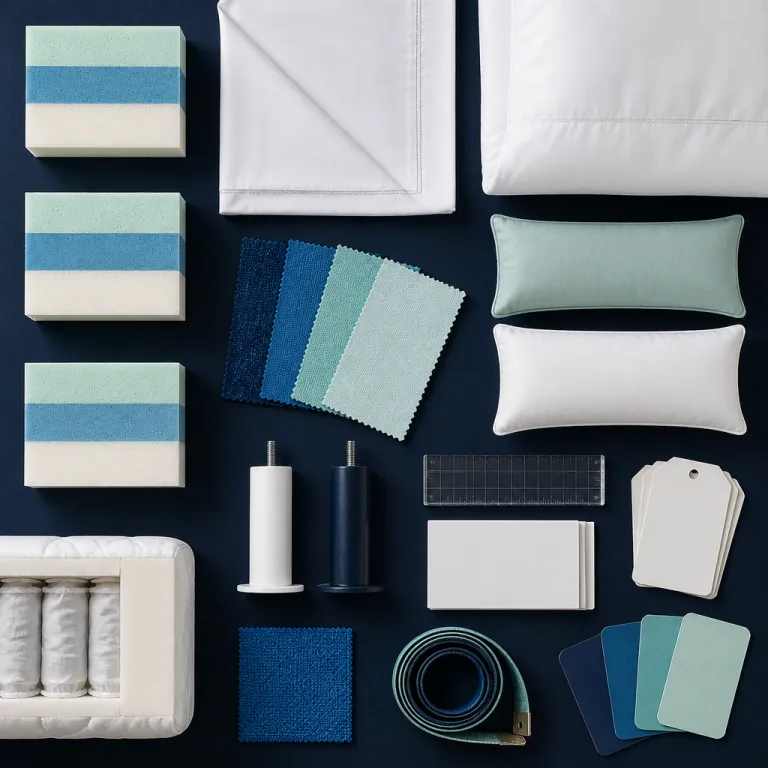
From a specification standpoint, directions techniques should request cutaway samples that reveal the full mattress build up. This allows a direct comparison of spring types, foam densities and ticking fabrics across the product options presented by different suppliers. When the design team can physically test multiple variants of a hotelier mattress, they gain confidence that the models chosen will deliver both immediate comfort and long term structural integrity.
From design intent to sourcing : structuring the FF&E selection process
Translating a design narrative into a coherent hotelier mattress program requires a structured FF&E procurement strategy. Architects and designers define the desired comfort story and visual language of the beds, while asset managers and investors frame the acceptable price range and lifecycle expectations. The result should be a clear matrix that guides how each mattress and bed variant is allocated across room types and brands within a portfolio.
In practice, this means mapping the chosen product for each room category, from standard double queen rooms to premium suites and long stay units. For every category, the FF&E schedule should specify the mattress dimensions, the spring system type, the high density foam configuration and any special features such as edge reinforcement or modular components. By documenting these details, bureaux d’études and directions techniques can compare product options from Viking Beds, Sterling Sleep Systems and Legacy Hospitality on a like for like basis rather than relying on marketing descriptions.
A rigorous sourcing process also considers logistics, installation and after sales customer service. A hotelier mattress may look ideal on paper, but if the supplier cannot support phased deliveries, removal of old beds and rapid replacement of defective mattresses, the operational impact can be severe. Strategic FF&E procurement frameworks help project teams align product selection with installation sequencing and opening timelines, reducing the risk of last minute compromises on bed quality.
During mock up evaluations, it is essential to test multiple variants of each hotelier mattress under realistic conditions. Invite a cross functional panel including designers, operations leaders and asset managers to sleep on the beds, assess comfort and review the perceived quality of the mattresses and beds. Their feedback should inform the final selection decision, ensuring that the models adopted reflect both aesthetic intent and operational realities.
Price negotiations should focus on total value rather than unit cost alone. When comparing the price range of different mattresses, factor in the expected lifespan, the modularity of components, the robustness of the spring unit and the responsiveness of customer service teams. A slightly higher price for a hotelier mattress that is designed to ensure easier maintenance and longer durability can deliver better ROI than a cheaper alternative that requires early replacement; several global brands now document these trade offs in internal post project reviews.
Aligning sleep experience with brand, wellness and guest expectations
Guests rarely comment on the façade engineering of a hotel, but they frequently remember the bed and the night sleep it provided. For hospitality brands, the hotelier mattress becomes a tangible expression of the brand promise, whether that promise is urban efficiency, resort indulgence or wellness focused restoration. Architects and designers must therefore curate mattresses and beds that translate abstract positioning into a concrete sleep experience.
Wellness oriented properties increasingly specify hotelier mattresses with advanced spring systems and high density comfort layers that support spinal alignment and pressure relief. This technical performance pairs with thoughtful room design, acoustic control and air quality to create a holistic rest environment that gives guests genuine peace of mind. For a deeper look at how spa and wellness expectations intersect with design decisions, many teams refer to internal guidance on key spa and wellness design details guests expect, which can be adapted to the sleep context.
Brand standards should articulate not only the visual appearance of the bed but also the targeted comfort profile. This includes specifying whether the default mattress feel should be firm, medium or plush, and whether variant options such as topper additions are offered for guests who request a softer surface. Some hotel groups now train front office and housekeeping teams to respond quickly with alternative mattresses or toppers, turning the hotelier mattress into a flexible service tool rather than a fixed constraint.
From a design perspective, the bed platform, headboard and surrounding joinery must support the performance of the mattress rather than compromise it. Overly rigid platforms can negate the benefits of a sophisticated spring unit, while poorly ventilated bases can shorten the life of high density foams. Coordinating these elements during the design and FF&E phases ensures that the chosen product performs as intended and that guests experience consistent comfort across the property.
Guest feedback loops are critical to refining mattress strategies over time. Online reviews, post stay surveys and direct comments to staff provide a real time view of how the hotelier mattress program is performing across different markets and segments. Asset managers should track these données alongside maintenance records and internal quality audits to decide when to rotate, refurbish or replace mattresses, maintaining both comfort and brand reputation.
Balancing durability, maintenance and sustainability in mattress selection
Durability is a non negotiable requirement for any hotelier mattress, given the high occupancy rates and intensive use typical in hospitality. A mattress that fails prematurely not only increases replacement costs but also disrupts operations and risks negative guest reviews. For this reason, directions techniques and asset managers must scrutinize construction details, warranties and real world performance data when evaluating mattresses and beds.
Modular hospitality mattresses, such as those from Sterling Sleep Systems, offer a compelling response to both durability and sustainability challenges. Their designs allow worn comfort layers to be swapped out while the core spring system remains in service, which significantly reduces waste and extends the functional life of the bed. This modularity also simplifies maintenance planning, as housekeeping and engineering teams can schedule component replacements during low occupancy periods rather than removing entire mattresses.
Eco friendly materials and responsible manufacturing practices are becoming central to FF&E specifications. Viking Beds and Legacy Hospitality, for example, emphasize quality materials and controlled manufacturing processes that support both longevity and environmental performance. When a hotelier mattress is built with durable textiles, robust spring units and high density foams that resist sagging, the property reduces the frequency of replacements and the associated environmental footprint.
From a procurement standpoint, sustainability criteria should be integrated into the same matrix that tracks price range, comfort and technical performance. Bureaux d’études can assign weighted scores to each factor, ensuring that the selected mattresses and beds reflect both financial and environmental priorities. Over time, this structured approach helps investors and owners demonstrate that their choices for mattresses and beds contribute positively to corporate sustainability targets.
Operationally, clear maintenance protocols extend the life of every hotelier mattress in the inventory. Regular rotation, protective covers and training for housekeeping teams on correct handling all support the performance of the spring system and foam layers. When combined with responsive customer service from manufacturers, these practices give owners peace of mind that their investment in quality beds will continue to deliver reliable comfort throughout the planned lifecycle.
Managing variants, pricing and portfolio wide standardisation
Large hotel portfolios rarely rely on a single hotelier mattress model; instead, they manage a structured family of variants. This approach allows brands to tailor mattresses and beds to different segments, from select service properties to luxury resorts, while maintaining a coherent technical and aesthetic foundation. For architects, designers and asset managers, the challenge lies in orchestrating these multiple variants without creating operational complexity.
A well designed mattress program typically defines a core specification that applies across most properties, with clearly documented variant options for specific needs. For example, a standard spring system and high density foam package might serve midscale hotels, while premium brands adopt an enhanced comfort layer or a more sophisticated spring unit. Within each tier, the chosen product should be available in all required sizes, including double queen and king, to simplify procurement and inventory management.
Pricing strategy must balance consistency with local market realities. Centralised negotiations with manufacturers such as Viking Beds, Sterling Sleep Systems and Legacy Hospitality can secure favourable terms across a wide price range, but regional logistics and taxes still influence the final price. Asset managers should therefore model total landed cost per mattress, including delivery, installation and end of life removal, to compare product options accurately across regions.
Digital FF&E platforms can help teams track which models are installed in each property, along with warranty dates and maintenance history. This level of transparency supports proactive replacement planning and avoids the fragmentation that occurs when individual hotels source mattresses independently. When the portfolio maintains a clear view of all hotelier mattress variants in use, it becomes easier to coordinate upgrades, negotiate volume discounts and ensure consistent guest experiences.
Guest facing communication can also reinforce the value of the mattress investment. Some brands highlight their partnership with specialist hotelier manufacturers in room collateral, explaining how the bed is designed to ensure a restorative night sleep and long term comfort. As one industry FAQ succinctly states, “What is a hotelier mattress? A durable, comfortable mattress designed for hospitality use. How long do hotelier mattresses last? Typically 5–8 years, depending on usage and quality. Can individuals purchase hotelier mattresses? Yes, many manufacturers offer them to consumers.”
Key figures and performance benchmarks for hotelier mattresses
- Average hotelier mattress lifespan in hospitality is often estimated at around five years according to internal brand standards and warranty assumptions, with well engineered models frequently reaching eight years under proper maintenance; these figures should be treated as planning benchmarks or policy guidelines rather than audited statistics.
- Studies in the hospitality sector and vendor case studies indicate that upgrading to higher quality mattresses can increase guest satisfaction scores by approximately 15 percent in some properties, which directly supports higher average daily rates and repeat bookings; project teams should verify the methodology and data source behind any such claim before using it in investment papers.
- Modular mattress designs that allow replacement of comfort layers while retaining the core spring system can, according to manufacturer case studies and internal sustainability reports, reduce waste volumes from bed replacements by more than 50 percent over a typical renovation cycle; these savings are scenario dependent and should be validated against local waste streams.
- Portfolio wide standardisation on two to three mattress variants per brand tier is reported by several global groups to cut procurement and logistics costs by 10 to 20 percent compared with ad hoc property level purchasing; these percentages are usually drawn from internal benchmarking or management reports rather than peer reviewed research.
- In many full service hotels, bedding related complaints account for a significant share of negative reviews, so improving mattress quality can have an outsized impact on online reputation metrics relative to the investment required; operators should track this through their own guest satisfaction dashboards and quality audits.
FAQ about hotelier mattresses for hospitality projects
What defines a hotelier mattress compared with a residential model ?
A hotelier mattress is engineered specifically for hospitality use, with reinforced spring systems, high density foams and textiles designed to withstand heavy, frequent occupancy. These mattresses and beds are tested for durability, edge support and fire performance in ways that exceed typical residential standards. For FF&E teams, this means a longer functional lifespan and more consistent comfort across all rooms.
How long should a hotelier mattress remain in service in a hotel ?
Industry data and manufacturer guidance suggest that most hotelier mattresses deliver optimal performance for about five to eight years, depending on occupancy levels and maintenance practices. Regular rotation, protective covers and adherence to manufacturer guidelines can extend this period toward the upper end of the range. Asset managers should track both age and guest feedback to decide when to schedule replacements during renovation cycles.
Can individual guests or residential clients buy the same mattresses used in hotels ?
Many manufacturers that specialise in hospitality, including Viking Beds, Sterling Sleep Systems and Legacy Hospitality, offer their hotelier mattress models to individual consumers. These products often retain the same spring unit and comfort layers as the hotel versions but may be packaged with different bases or headboards. Hotels sometimes leverage this by offering guests information on how to purchase the chosen product for home use.
What technical data should FF&E teams request when specifying mattresses ?
Designers and bureaux d’études should request detailed technical sheets covering spring system type, foam densities, fire ratings, fabric composition and warranty terms. Cutaway samples that show the internal construction of the mattress help compare product options from different suppliers on a like for like basis. This information supports informed decisions on comfort, durability and compliance with local regulations.
How do modular hotelier mattresses support sustainability goals ?
Modular hospitality mattresses, such as those from Sterling Sleep Systems, allow worn comfort layers to be replaced while the core spring unit remains in service. This reduces material waste and lowers the environmental impact associated with full mattress disposal during renovations. For owners reporting under frameworks such as CSRD and PEFCR, these design choices provide concrete evidence that FF&E strategies support long term sustainability objectives, even when the underlying performance figures are based on manufacturer supplied data or internal modelling rather than third party verification.