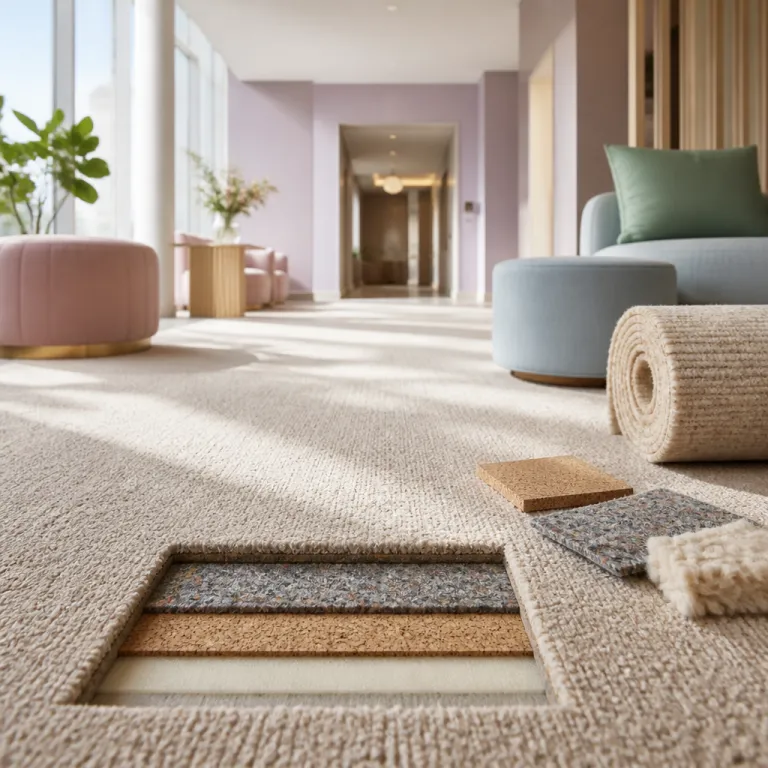
Why the fiber carpet pad is now a strategic hospitality asset
Under every great hotel carpet lies a quiet performer that shapes guest comfort and asset value. In hospitality projects, the right fiber carpet pad influences acoustics, thermal performance and the life of both commercial carpet and residential carpet suites in branded residences. A carefully specified underlay also protects flooring investments in high traffic areas, where thickness, density and padding technology will decide how long the life carpet remains visually sharp.
For architects and interior designers, the fiber carpet pad is no longer a generic product but a calibrated layer of carpet cushion that must respond to brand standards, operator expectations and FF&E budgets. Fiber based carpet underlay, whether natural or synthetic fiber, directly affects corridor noise, room-to-room sound transfer and the perceived comfort underfoot in both commercial and residential zones. Asset managers now view carpet pads and complete carpet cushion systems as levers for reducing replacement cycles, improving warranty outcomes and aligning with ESG commitments through recycled content and low emission specifications.
Manufacturers such as Hempitecture, with its natural FiberPad underlayment, and Shaw Carpet, with its recycled synthetic Fibertouch pad, illustrate how fiber carpet technology has evolved beyond simple foam carpet underlays. These fiber carpet and bonded foam hybrids can be tuned for thickness weight, resilience and R-value, which is critical when you want a carpet pad that enhances thermal insulation in guestrooms without increasing floor build up excessively. For technical directors and engineering consultants, the specification of carpet pads now intersects with building physics, acoustic targets and maintenance strategies in a way that demands early coordination with design teams and FF&E suppliers.
Material choices for fiber carpet pad in hospitality projects
Material selection for a fiber carpet pad starts with a clear view of performance priorities across different traffic areas. In guestrooms and suites, a softer carpet cushion with moderate thickness and high comfort can support a more residential carpet feel while still protecting the carpet from premature crushing. In corridors, ballrooms and pre function spaces, the same flooring build up must be engineered for high traffic and rolling loads, where bonded foam or dense synthetic fiber blends keep the carpet stable and safe.
Natural fiber solutions such as hemp based FiberPad from Hempitecture appeal to design teams seeking a product that aligns with local, low impact materials strategies. These fiber carpet pads are often manufactured from recycled or rapidly renewable fiber and use thermal bonding instead of chemical adhesives, which supports healthier indoor air quality. In parallel, recycled synthetic fiber pads from players like Shaw Carpet or those retailed through Home Depot offer robust options for commercial carpet installations where a long warranty and predictable performance under intense traffic are non negotiable.
When you integrate a fiber carpet pad into a broader materials narrative, it can sit alongside regional stone, local timber and artisan tile as part of a coherent story about place. Hospitality investors increasingly expect that even hidden layers of flooring, including carpet pads and foam carpet underlays, contribute to sustainability metrics such as Green Label or CRI Green certifications. For design teams curating materials that make a hotel feel rooted in its context, aligning the carpet cushion and underlay choices with locally relevant, recycled or natural fiber content becomes as important as the visible finishes described in any regional material sourcing strategy.
Performance, acoustics and guest experience under high traffic conditions
Performance under high traffic is where the fiber carpet pad either justifies its specification or quietly erodes asset value. In lift lobbies, meeting floors and long guestroom corridors, the combination of carpet, pad and subfloor must manage rolling luggage, housekeeping trolleys and banquet traffic without visible rutting. A high quality carpet pad with the right thickness weight and compression set will distribute loads, so the carpet cushion keeps carpet fibers upright and visually consistent for longer.
Acoustic performance is equally critical in hospitality, where guest satisfaction scores are highly sensitive to noise transmission. A dense fiber carpet pad or bonded foam underlayment can significantly reduce impact sound, especially when paired with a commercial carpet that has an appropriate backing system. Technical data from Hempitecture, for example, shows that its FiberPad underlayment achieves an R-value of 1.873, which illustrates how a fiber carpet layer can also contribute to thermal comfort in guestrooms and suites (Hempitecture FiberPad technical data sheet; ASTM C518 steady-state thermal transmission testing).
Safety and protection are part of the same conversation, particularly in public spaces where flooring must balance softness with stability. A carpet pad that is too thick or too soft, especially when combined with memory foam or low density foam carpet, can create rolling resistance and trip risks in busy traffic areas. Hospitality technical teams should therefore coordinate with engineering consultants to model how different carpet pads, carpet cushion assemblies and synthetic fiber blends behave under real operational loads, in the same way they would evaluate advanced protective glazing when assessing how vault glass reshapes hospitality design and guest protection.
Sustainability, certifications and the new expectations for carpet padding
Sustainability expectations around fiber carpet pad specifications have risen sharply as hotel groups publish detailed ESG roadmaps. Many operators now require carpet pads and carpet cushions with recycled content, low VOC emissions and third party labels such as Green Label or CRI Green to support brand wide indoor air quality commitments. Fiber carpet products made from recycled synthetic fiber or natural fiber blends respond directly to these criteria while still delivering the comfort and durability required in hospitality.
Manufacturers are moving towards thermal bonding processes that avoid formaldehyde based adhesives, which helps improve both installation conditions and long term indoor air quality. Industry guidance notes that fiber carpet pads are often manufactured from recycled or natural fibers and that they can improve indoor air quality when made without chemical adhesives or VOCs. As one technical note puts it clearly, “They provide cushioning, enhance insulation, and extend carpet lifespan” (manufacturer installation guides; CRI guidance on carpet cushion and IAQ).
For asset managers and investors, the sustainability profile of a carpet pad now intersects with lifecycle costing and warranty negotiations. A recycled bonded foam or synthetic fiber pad with a robust warranty can reduce the frequency of carpet replacement, which lowers both embodied carbon and operational disruption. When FF&E suppliers propose carpet pads and carpet cushion systems, they should present not only comfort and thickness data but also clear documentation on recycled content, Green Label or CRI Green status and how the chosen carpet cushion keeps carpet performing within brand standards over the full planned life carpet horizon.
Specification strategy, lead times and coordination with FF&E procurement
Specification of a fiber carpet pad should start early in the design process, not at the final FF&E package stage. The chosen carpet pad thickness, density and material type will influence door clearances, transition details and even the perceived step height between different flooring zones. When technical directors and engineering consultants are involved from concept, they can align structural tolerances and acoustic targets with the planned carpet padding assemblies.
Lead times for specialized fiber carpet products, especially those using natural fiber or custom bonded foam blends, can be longer than for standard foam carpet underlays. This reality makes the carpet cushion part of the same critical path as bespoke casegoods or lighting, and it should be integrated into any discussion about the 16 to 22 week lead time problem that now constrains FF&E procurement. If the project team delays decisions on carpet pads and carpet cushion systems, they risk last minute substitutions that compromise both comfort and warranty conditions for high traffic commercial carpet zones.
From a risk management perspective, asset managers should request mock ups that include the full flooring build up, not just the visible carpet. Testing different carpet pads, synthetic fiber cushions and memory foam options in a real guestroom or corridor allows stakeholders to evaluate comfort, acoustics and rolling resistance under operational conditions. This approach also helps validate that the specified thickness weight and overall flooring assembly will perform as expected across both commercial and residential areas of mixed use hospitality developments.
Operational durability, maintenance and lifecycle value of fiber carpet systems
Once a hotel opens, the operational reality will test every assumption made about the fiber carpet pad and its interaction with the chosen carpet. Housekeeping routines, cleaning chemicals and equipment all interact with the carpet cushion and underlay layers, influencing how well the system keeps carpet pile resilient in high traffic areas. A well engineered carpet pad can mitigate wear patterns, while an under specified foam carpet or low density pad may accelerate visible fatigue.
Durability is not only a function of material but also of matching the right carpet pads to the right zones. In guestrooms, a softer fiber select style cushion or memory foam enriched pad can enhance perceived luxury, whereas in ballrooms and meeting spaces a denser bonded foam or synthetic fiber pad will better support heavy furniture and rolling loads. Clear zoning of carpet padding specifications, aligned with traffic forecasts and operational scenarios, allows asset managers to extend the life carpet and maintain a consistent guest experience across both commercial and residential carpet applications.
Lifecycle value emerges when the initial cost of a higher quality fiber carpet pad is weighed against reduced replacement frequency and fewer claims against the carpet warranty. When FF&E suppliers present options, they should quantify how different thickness weight profiles and recycled content levels influence both performance and sustainability reporting. For investors and design teams focused on long term ROI, the hidden layer of carpet cushion becomes a strategic component of the flooring package, not a commodity line to be value engineered at the last minute.
Key figures and technical benchmarks for fiber carpet pad in hospitality
- Hempitecture reports an R-value of 1.873 for its FiberPad underlayment, which indicates a meaningful contribution to thermal resistance compared with many conventional carpet pads and supports energy efficient guestroom design (Hempitecture FiberPad technical data sheet; ASTM C518 for steady-state thermal transmission).
- Shaw Carpet’s Fibertouch 40 oz synthetic fiber pad is specified at approximately 0.35 inches thickness, illustrating how relatively low build up can still deliver effective cushioning and support for commercial carpet installations (Shaw Fibertouch 40 oz product sheet; typical testing to ASTM D3574 for foam and cushion performance).
- Industry trends show increased use of recycled materials in carpet padding, with many fiber carpet products now incorporating significant post consumer or post industrial content to meet brand sustainability targets in hospitality portfolios (manufacturer sustainability reports and CRI guidance on recycled content).
- Growing preference for non toxic, sustainable underlayments is driving demand for carpet cushion systems manufactured without added VOCs, which aligns with major hotel groups’ indoor air quality and wellness standards (Green Label Plus, CRI Green and brand level IAQ criteria).
FAQ about fiber carpet pad in hospitality projects
What are the main benefits of using a fiber carpet pad in hotels ?
A fiber carpet pad provides cushioning that improves guest comfort, enhances acoustic and thermal insulation and helps extend the lifespan of both commercial carpet and residential carpet installations. By distributing loads and absorbing impact in high traffic areas, the carpet cushion keeps carpet fibers from crushing prematurely. This combination of comfort, protection and durability makes fiber carpet systems particularly valuable in hospitality environments.
Are fiber carpet pads environmentally friendly for hospitality applications ?
Many fiber carpet pads are environmentally preferable because they use recycled synthetic fiber or natural fiber content and avoid high VOC adhesives. Industry sources note that fiber carpet pads are often manufactured from recycled or natural fibers, which reduces environmental impact compared with virgin foam carpet underlays. When paired with Green Label or CRI Green certified carpet, these pads support hotel ESG goals and healthier indoor air quality.
Can fiber carpet pads improve indoor air quality in guestrooms and corridors ?
Yes, fiber carpet pads can support better indoor air quality when they are produced without added formaldehyde or solvent based adhesives. Technical guidance explicitly notes that fiber carpet pads can improve indoor air quality, especially when made without chemical adhesives or VOCs. Specifying carpet pads with appropriate certifications and transparent material declarations helps design teams align with brand wellness standards.
How should designers choose the right thickness and density for carpet padding in hotels ?
Designers should match the thickness and density of the carpet pad to the expected traffic, rolling loads and desired comfort level in each zone. Guestrooms typically benefit from a slightly softer carpet cushion, while corridors and ballrooms require denser bonded foam or synthetic fiber pads to handle high traffic and equipment. Coordination with engineering consultants and adherence to manufacturer guidelines ensures that the chosen thickness weight supports both performance and warranty requirements.
Are fiber carpet pads suitable for both commercial and residential style spaces within mixed use hospitality projects ?
Fiber carpet pads are well suited to both commercial and residential style areas, provided the specification is tailored to each use. In branded residences or long stay suites, a more residential carpet feel can be achieved with softer padding, while public spaces rely on denser carpet pads designed for commercial carpet performance. Using a coherent family of fiber carpet products across the property simplifies maintenance while respecting the different operational demands of each space.