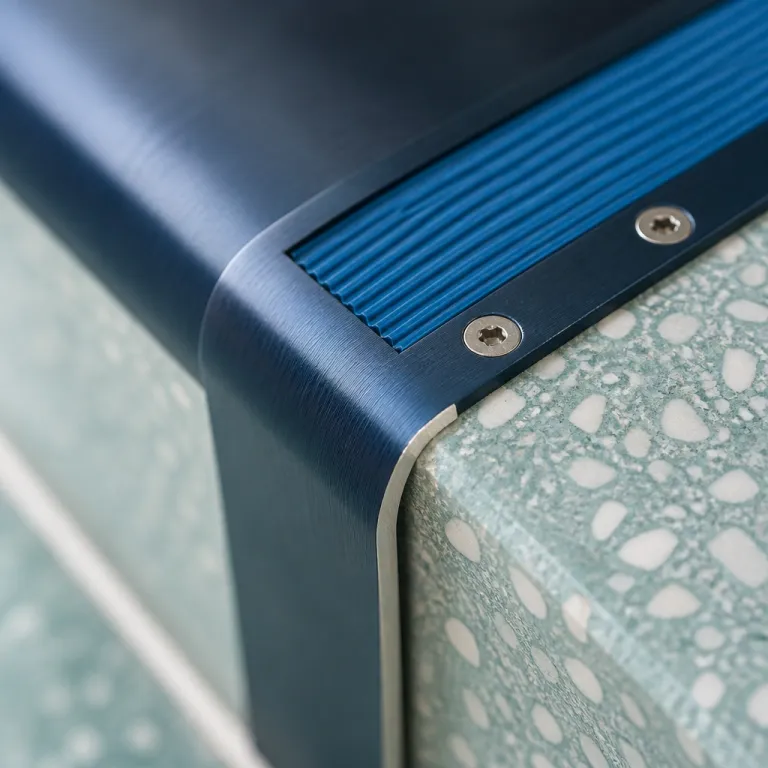
Why stair nosings define the real safety baseline in hotels
In hospitality projects, the humble stair nosing often decides whether a stair feels reassuring or risky. When a stair edge is poorly detailed, the probability of a slip incident rises sharply, especially where guests move between rooms, restaurants, and fire escape doors. For architects and technical directors, treating stair nosings as a primary safety interface rather than a minor accessory changes both specification habits and long term asset value.
Stair nosings are protective edges that reinforce each stair and protect the floor finish at the most vulnerable point. They reduce wear on stair treads, limit chipping of stone or timber flooring, and provide a defined visual line that guides guests in low light conditions. This is why many building codes explicitly require a stair nosing profile with anti slip properties on public stair treads in hotels and resorts.
Safety inspectors and risk managers consistently link stair nosings to fall protection performance. Data from the National Safety Council’s “Injury Facts – Falls” series reports more than 1,000,000 emergency department visits per year in the United States related to slips, trips, and falls, which underlines why safety consultants push for robust anti slip technology on every public stair. For asset managers, the price of a high quality stair nosing system is negligible compared with the cost of a single serious fall, especially when insurance, legal exposure, and brand reputation are considered.
From a design perspective, the nosing line is also a strong graphic element that frames the stair volume. A wide or slim nosing profile, a contrasting technology color strip, or a flush abrasive nosing insert can either emphasise the sculptural quality of a stair or discreetly disappear into the flooring palette. Hospitality designers now treat stair nosings as part of the overall materials and finishes strategy, aligning them with entrance mats, floor doors, and access doors to create a coherent circulation language.
Manufacturers of stair nosings work closely with building contractors to ensure that each stair nosing is mechanically fastened or bonded according to substrate and traffic level. On external stairs leading to roof hatches or roof hatch terraces, the specification of anti slip stair treads with durable grit or abrasive inserts becomes critical in wet conditions. In back of house zones, where staff move quickly through service doors and along concrete floor corridors, robust stair nosings with high slip resistance and clear color options reduce occupational risk and support long term fall protection strategies.
Material choices, aluminum extrusion, and slip technology for hospitality stairs
Material selection for stair nosings in hotels is no longer a binary choice between basic aluminum and rubber. Today, stair nosing products span aluminum extrusion systems, stainless steel profiles, vinyl inserts, and hybrid solutions that integrate cast metal bodies with replaceable abrasive nosing strips. For high traffic hospitality environments, aluminum extrusion based stair nosings remain dominant because they balance price, durability, and design flexibility.
Aluminum extrusion stair nosings allow designers to specify different widths, edge radii, and technology color inserts without changing the underlying fixing method. A mechanically fastened aluminum stair nosing can be anchored into concrete or timber stair treads while still accepting a range of anti slip inserts, from fine grit for indoor marble flooring to coarse abrasive strips for external roof access stairs. This modularity lets bureaux d’études and FF&E équipes fine tune slip technology performance by zone, rather than applying a single generic solution across the entire property.
Slip technology has advanced significantly, with manufacturers offering laboratory tested anti slip ratings for both dry and wet conditions. Many stair nosings now combine a cast aluminum or nosing cast bronze body with a factory bonded abrasive nosing insert, ensuring consistent performance over the durée of the asset. For spa stairs, pool decks, and roof hatches leading to wellness terraces, specifying stair nosing products with certified anti slip values is essential to align with safety inspectors and insurance requirements.
Designers must also consider how stair nosings interact with adjacent elements such as smoke vents, roof hatch frames, and floor doors in technical areas. Where access doors open onto stair landings, a flush transition between the floor, the stair nosing, and any entrance mats avoids trip points and maintains a continuous anti slip surface. In fire escape stairs, the combination of luminous technology color strips on stair nosings and clearly marked doors improves wayfinding during low visibility evacuations.
For projects where glass, stone, and metal define the architectural language, the detailing of stair nosings should echo the same precision used for structural glazing and protective elements. The way vault glass reshapes hospitality design and guest protection offers a useful parallel, as seen in analyses of vault glass in hospitality design. In both cases, the integration of advanced materials and slip technology into everyday touchpoints such as a stair or a balustrade quietly elevates both safety and perceived quality.
Visual comfort, color options, and guest experience on staircases
Guest perception of a stair begins with visual comfort, not technical data. A clearly defined nosing line on each stair tread helps the eye read depth and distance, which directly reduces the risk of a slip at the transition between floor and stair. In dimly lit bars, rooftop lounges, or spa corridors, the combination of contrasting color options and subtle lighting on stair nosings can transform a potential hazard into a confident, elegant gesture.
Hospitality designers increasingly use technology color inserts within stair nosings to reinforce wayfinding and brand identity. A warm metallic strip on a stone stair can echo the tones of a lobby bar, while a cool grey abrasive nosing on external stair treads can align with the façade and roof hatches detailing. When these color options are coordinated with flooring, entrance mats, and floor doors, the entire circulation route feels intentional rather than patched together from unrelated products.
Material narratives also matter for high end properties where every stair and floor junction contributes to the storytelling of the interior. The way nebula stone aesthetics are used to craft metaphysical narratives in contemporary hotel design, as explored in analyses of nebula stone in hotel design, shows how even a stair nosing detail can participate in a broader concept. A nosing cast in bronze with a patinated finish, paired with nebula inspired stone flooring, can make each stair feel like a curated object rather than a mere circulation element.
From a technical standpoint, visual contrast between the stair nosing and the stair tread surface is often recommended by safety inspectors. A wide contrast band, whether achieved through a different material, a technology color insert, or a textured abrasive nosing, helps guests judge the edge of each stair even when moving quickly through service doors or emergency exits. For older guests or those with reduced vision, this simple design move can be more effective than complex digital wayfinding solutions.
Asset managers should evaluate the price impact of premium color options against the potential uplift in guest satisfaction scores and perceived safety. In luxury properties, a carefully detailed stair nosing with a refined anti slip insert can support the positioning of the brand as meticulous and guest centric. In lifestyle hotels, bolder color options on stair nosings can become part of the Instagram friendly narrative, especially on stairs leading to rooftop bars, roof hatch terraces, or dramatic smoke vents framed atriums.
Integration with FF&E, modularity, and long term maintenance strategies
For FF&E suppliers and bureaux d’études, stair nosings sit at the intersection of fixed construction and movable furniture. The way a stair nosing meets a carpet runner, a timber stair tread, or a modular seating platform determines both visual continuity and maintenance complexity. When stair nosings are specified without reference to FF&E layouts, operators often face awkward transitions where furniture legs catch on nosing edges or where floor finishes fray prematurely.
Modular hospitality furniture strategies, such as those analysed in articles on modular hospitality furniture and investment recovery, highlight the need for adaptable interfaces between furniture and flooring. Stair nosings must accommodate potential reconfigurations of adjacent seating, entrance mats, and access doors without compromising anti slip performance. A mechanically fastened stair nosing with replaceable abrasive inserts allows operators to refresh the visible surface when FF&E schemes change, without disturbing the underlying stair structure.
Maintenance teams favour stair nosings that can be cleaned quickly and withstand aggressive cleaning products. In back of house stairs, where staff move between kitchens, storage rooms, and roof hatches, stair treads are exposed to grease, moisture, and heavy loads. Here, stair nosings with deep grit or abrasive nosing inserts provide reliable slip resistance, while robust aluminum extrusion bodies resist deformation from trolleys and equipment.
Asset managers should request lifecycle cost analyses that compare different stair nosing products over a typical refurbishment cycle. A slightly higher initial price for a cast aluminum or nosing cast bronze profile with replaceable inserts can be offset by reduced downtime, fewer slip incidents, and longer intervals between full stair refurbishments. When stair nosings are aligned with the broader FF&E and flooring strategy, they support predictable maintenance budgets and protect the overall ROI of the asset.
Integration with technical elements such as floor doors, smoke vents, and access doors also affects maintenance. Poorly detailed junctions between stair nosings and these components can trap dirt and moisture, accelerating wear on both the nosing and the surrounding flooring. By coordinating with stair nosing manufacturers and building contractors during the design phase, project teams can learn from previous installations and specify solutions that balance aesthetics, safety, and ease of upkeep.
Exterior stairs, roof interfaces, and critical fall protection zones
Exterior stairs in hospitality projects often carry the highest fall risk yet receive the least design attention. Access routes to rooftop bars, technical roof hatches, and emergency exits combine exposure to weather with high traffic during peak periods. In these zones, stair nosings and stair treads must deliver uncompromising anti slip performance while resisting UV, temperature swings, and standing water.
On roofs, the interface between a roof hatch, adjacent roof hatches, and the first stair or floor step is particularly sensitive. A misaligned stair nosing at this junction can create a trip hazard just as guests or staff transition from a flat roof surface to a descending stair. Specifying mechanically fastened aluminum extrusion stair nosings with aggressive grit inserts at these points ensures both structural stability and reliable slip technology under wet or icy conditions.
Technical areas that house smoke vents, floor doors, and access doors to plant rooms also require careful detailing of stair nosings. When a floor door opens onto a stair landing, the nosing line must remain legible and continuous, even when the door leaf is raised for maintenance. Designers can use contrasting technology color strips on stair nosings to signal the edge of the stair, while coordinating with entrance mats and surrounding flooring to maintain a coherent anti slip surface.
For pool decks, spa terraces, and external restaurant stairs, the aesthetic expectations are higher but the safety requirements remain strict. Here, stair nosings with slim cast metal bodies and fine abrasive nosing inserts can blend with stone or composite decking while still delivering the necessary slip resistance. Asset managers should insist on documented slip technology test results for both the stair nosing and the adjacent floor finish, rather than relying on generic marketing claims.
Collaboration between stair nosing manufacturers, building contractors, and safety inspectors is essential in these exterior and roof related zones. Manufacturers bring expertise in products and materials, contractors understand how to mechanically fasten stair nosings to challenging substrates, and inspectors ensure that fall protection standards are met. When this triad works in concert, the resulting stair nosings not only protect guests and staff but also extend the lifespan of the stair and the surrounding roof or floor construction.
Regulation, specification workflow, and data driven decisions on stair nosings
Regulatory frameworks in most markets now treat stair nosings as a mandatory safety component rather than an optional accessory. Building codes often specify minimum dimensions for the nosing projection, requirements for anti slip properties, and guidelines for visual contrast between the stair nosing and the stair tread. For hospitality investors and asset managers, understanding these rules early in the design process avoids costly redesigns and ensures that every stair, from lobby feature stair to back of house escape stair, complies from day one.
A robust specification workflow for stair nosings starts with a clear mapping of all stair types in the project. Designers should classify each stair by function, expected traffic, exposure to moisture, proximity to doors or access doors, and adjacency to elements such as smoke vents, floor doors, or roof hatches. This analysis allows the team to assign specific stair nosing products, from heavy duty cast aluminum profiles with coarse grit inserts for service stairs to refined slim nosings with subtle abrasive strips for guest facing feature stairs.
Data driven decisions on stair nosings also require transparent information on price, performance, and maintenance. Stair nosing manufacturers can provide test reports on slip resistance, durability of abrasive nosing inserts, and compatibility with different flooring types, from stone and terrazzo to resilient flooring and carpet. Asset managers should compare not only the initial price of stair nosings but also the expected durée before replacement, the ease of cleaning, and the impact on overall fall protection metrics across the property.
Digital tools now help teams learn from previous projects by tracking incidents, maintenance interventions, and guest feedback related to stairs. When a particular stair nosing product consistently performs well in terms of slip resistance and guest comfort, that data can inform future specifications across a portfolio. Conversely, if a certain nosing cast profile or aluminum extrusion detail leads to frequent repairs or complaints, it should be phased out in favour of more reliable solutions.
Ultimately, stair nosings sit at the crossroads of architecture, design, FF&E, and technical operations in hospitality assets. By treating each stair nosing as a strategic component within a broader safety and guest experience framework, stakeholders can align aesthetic ambitions with rigorous anti slip performance and long term value. The result is a portfolio of hotels where every stair, every nosing, and every floor junction quietly supports both the narrative of the brand and the safety of the people who move through it.
Key figures and safety statistics for stair nosings in hospitality
- Slip and fall accidents are estimated at more than 1,000,000 emergency department visits per year in the United States according to the National Safety Council “Injury Facts – Falls” data, which reinforces the need for high performance anti slip stair nosings in all public hospitality areas.
- Independent testing laboratories typically classify stair nosing slip resistance using pendulum or ramp tests; for example, many hotel operators now require a minimum pendulum test value (PTV) of 36 or higher in wet conditions or a ramp test classification of R11 or above for external stairs.
- Lifecycle analyses from manufacturers often show that durable cast aluminum or nosing cast bronze stair nosings can extend the effective life of stair treads and adjacent flooring by several refurbishment cycles compared with unprotected stair edges.
- In multi property portfolios, standardising on a limited range of stair nosing products can reduce maintenance stock keeping units by more than 50 %, simplifying operations and improving response times for repairs.
- Safety inspectors in many jurisdictions confirm that clearly contrasted stair nosings on the first and last stair of each flight significantly reduce missteps, especially in areas where doors or access doors open directly onto stair landings.
FAQ about stair nosings in hospitality projects
What materials are stair nosings made from ?
Common materials include aluminum, vinyl, and wood. In hospitality projects, aluminum extrusion and cast metal stair nosings are widely used for their durability, while vinyl or rubber inserts provide additional anti slip performance on stair treads.
Are stair nosings required by building codes ?
Yes, many building codes mandate stair nosings for safety. In the United States, for example, OSHA’s walking working surfaces rules (29 CFR 1910 Subpart D) and model codes such as the International Building Code include provisions on stair geometry, nosing projection, and slip resistance, which directly influence how designers specify stair nosing products in hotels and resorts.
Can stair nosings be installed on existing stairs ?
Yes, they can be retrofitted onto existing stairs. Building contractors typically use mechanically fastened aluminum extrusion profiles or adhesive bonded nosings to upgrade slip resistance and protect worn stair treads without full stair reconstruction.
How should asset managers evaluate the price versus performance of stair nosings ?
Asset managers should compare initial price, documented slip technology performance, expected lifespan, and maintenance requirements. A higher quality abrasive nosing or nosing cast profile may cost more upfront but often reduces slip incidents, extends flooring life, and lowers long term operational costs.
What role do stair nosings play near roof hatches and technical areas ?
Near roof hatches, smoke vents, floor doors, and access doors, stair nosings provide critical fall protection where surfaces change level or direction. Specifying robust anti slip stair nosings with appropriate grit and clear color options in these zones helps protect staff and guests in challenging environmental conditions.
References
- National Safety Council – “Injury Facts: Falls” – statistical data on slip, trip, and fall incidents in public and workplace environments.
- Occupational Safety and Health Administration (OSHA) – 29 CFR 1910 Subpart D, Walking-Working Surfaces, including requirements for stairways and slip resistant surfaces.
- American Society for Testing and Materials (ASTM) – standards such as ASTM E303 (pendulum test method for measuring surface friction) and ASTM F1637 (standard practice for safe walking surfaces) used to assess slip resistance of flooring and stair nosings.