Heritage recovery at Hotel Palacio Bellas Artes San Sebastian
Hotel Palacio Bellas Artes San Sebastian opens as an 81 key boutique hotel where a former cinema becomes a calibrated hospitality instrument. The hotel building at Calle Urbieta 61 in San Sebastián retains its Beaux Arts façade, double height volumes and axial symmetry, while the interior design by Isabel López Vilalta reframes those historic proportions for contemporary circulation, FF&E and back of house efficiency. For asset managers, the project shows how a listed palacio with strong artes references and bellas detailing can move from cultural liability to revenue generating hotel without losing its unique character.
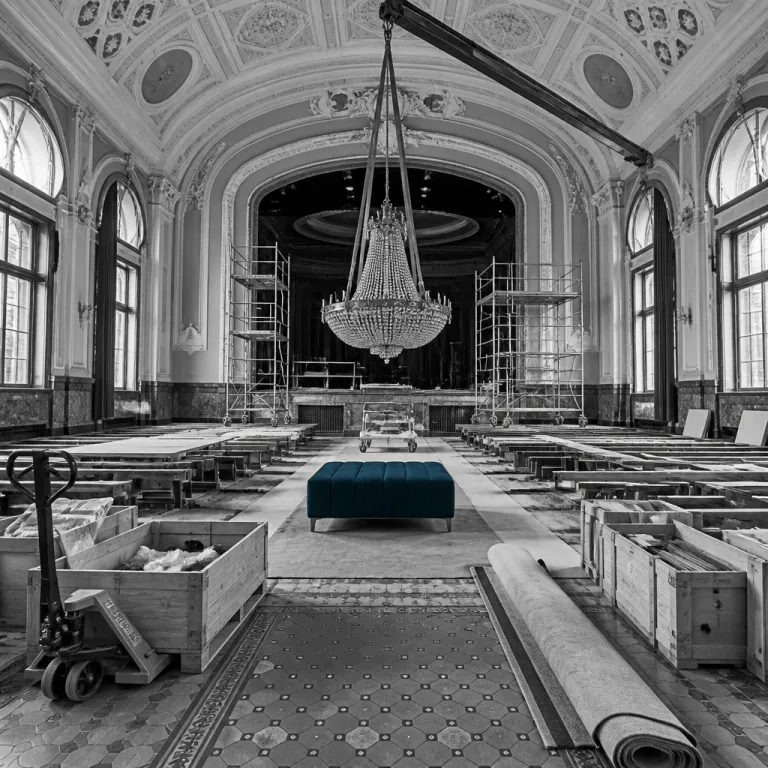
The original 1914 theatre volume is now the spatial anchor of the hotel Palacio Bellas Artes San Sebastian, with the former stalls reinterpreted as a lobby lounge and bar that read as one continuous place rather than a sequence of disconnected zones. Sight lines that once focused on a cinema screen now frame the bar, the reception and curated views towards La Concha, turning a single direction auditorium into a multidirectional social building that supports restless and curious travel patterns. Acoustic treatments are integrated behind historic plasterwork so that the emotion of the old bellas artes ornament remains visible while the noise profile meets current hotel san Sebastián performance standards.
Key heritage elements of the palacio bellas structure, including staircases, balustrades and ornamental ceilings, have been preserved as character drivers rather than nostalgic set dressing. Adaptive reuse here is not about freezing a historic artefact ; it is about giving the palacio a new operational life where the curio collection positioning and the collection Hilton standards coexist with local codes and cultural expectations. For design teams, the project underlines that a cinema to hotel conversion is a distinct adaptive reuse typology, where volume, raked floors and historic character demand bespoke structural, MEP and FF&E strategies instead of generic hotel templates.
Basque craft, gastronomy and the Curio Collection soft brand model
The most radical move at Hotel Palacio Bellas Artes San Sebastian is not the restored façade but the decision to treat gastronomy as a core design system. Hilton and building owner Grupo SADE brought in chef Andoni Luis Aduriz and Grupo IXO to define the F&B concept, so the restaurant and bar become extensions of Basque cultural identity rather than generic hotel outlets for transient travel. In practice, this means that local artes and bellas craft traditions appear in tableware, joinery and textiles, aligning the sensory experience of food with the visual language of the palacio and the wider san Sebastián streetscape.
Within the Curio Collection by Hilton framework, the property operates as a hotel with a clearly articulated unique character instead of a standardised brand clone. The curio collection soft brand allows Hilton to plug the hotel Palacio Bellas Artes San Sebastian into its global distribution and loyalty systems while leaving room for a restless, curious design narrative rooted in bellas artes heritage and Basque emotion. For a VP overseeing a collection Hilton portfolio, this shows how a curio property in san Sebastián can carry more cultural weight than a conventional hotel san conversion, yet still deliver chain level KPIs.
The cinema to hotel palacio transformation also demonstrates how cultural programming can be structurally embedded rather than added as marketing. Heritage recovery methods, local artisans and partnerships with cultural institutions turn the former auditorium into a place for screenings, talks and small festivals that extend the original building use in a contemporary way. This approach echoes other European heritage projects where operators refused to erase historic layers, as seen in the analysis of what Luigi Fragola changed and what he refused to touch at Villa San Michele, and it signals a broader shift in how major groups like Hilton approach historic assets in secondary cities such as san Sebastián.
Adaptive reuse, FF&E strategy and operational ROI in a former cinema
From an FF&E and operations perspective, Hotel Palacio Bellas Artes San Sebastian is a case study in how to work with a challenging shell without compromising guest experience. Raked floors from the original cinema required structural interventions to create level guestroom slabs, yet the design team retained generous ceiling heights and window proportions so that each hotel room feels like part of a palacio rather than a retrofitted backlot. The result is a collection of 81 rooms and 8 suites where the unique character of the bellas artes building is legible in cornices, door heights and corridor rhythms, not just in public areas.
For technical directors and bureaux d’études, the project highlights the importance of early coordination between structural, acoustic and interior design teams in any cinema to hotel conversion. Volume and acoustics that once served film projection now need to support quiet guestrooms, active F&B and cultural events, which demands layered construction, careful zoning and FF&E that absorbs sound without diluting the historic character. Strategic FF&E installation, from custom seating in the former stalls to casegoods in the upper levels, follows the same logic outlined in best practice guides on moving from design intent to operational excellence, where every piece supports both emotion and maintenance cycles.
Hilton’s role as operator under the curio collection banner, combined with Grupo SADE’s long term ownership of the palacio bellas asset, creates a governance model that balances brand standards with local stewardship. For investors, the Hotel Palacio Bellas Artes San Sebastian demonstrates how a collection Hilton soft brand can unlock financing and loyalty demand while still allowing a deeply local narrative tied to san Sebastián, La Concha beach and the Old Town pintxos ecosystem. For hospitality leaders evaluating restaurant renovation contractors and broader repositioning strategies, the project aligns with the view that a well executed renovation can elevate both brand operations and guest experience, turning a historic cinema into a resilient place for restless, curious travel that feels genuinely rooted in its bellas artes past.