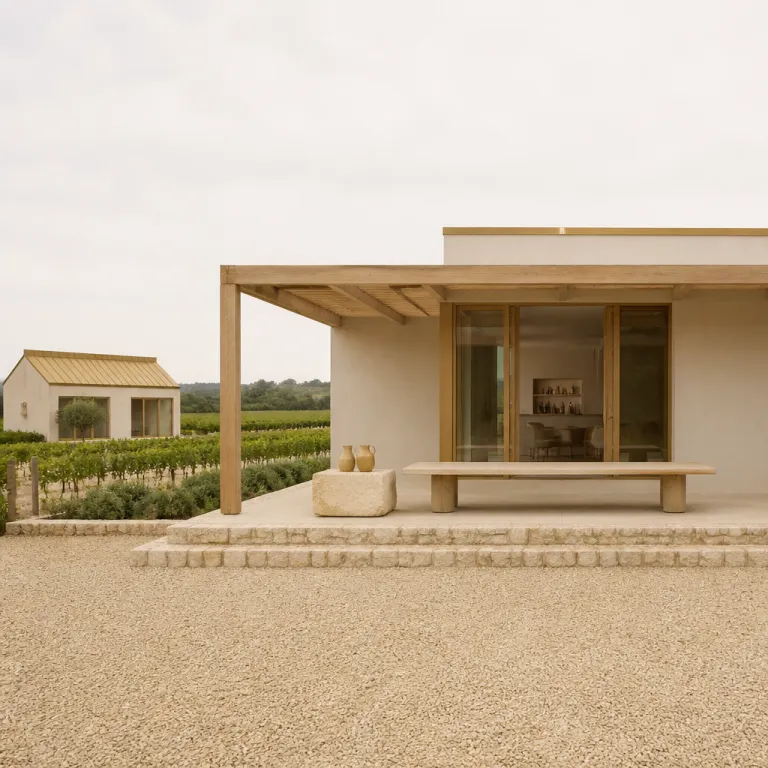
La Mare Wine Estate: hospitality design without a hotel chain playbook
La Mare Wine Estate and hotel chains: what independence means for hospitality design
La Mare Wine Estate is not affiliated with any hotel chain, and this independence changes how architects and hospitality designers should read its brand DNA. When professionals wonder which hotel group, if any, stands behind La Mare, the factual answer is simple: La Mare Wine Estate operates as an autonomous estate in St. Mary, Jersey, within the Channel Islands, and this status unlocks a different design brief for hospitality venues and visitor attractions. For design teams, this means the La Mare narrative, the Jersey terroir, and the house style of the winery itself become the primary anchors for guest experience, rather than a global hotel standard.
Working with an independent wine estate instead of a branded hotel requires a shift from compliance to co creation, because there is no corporate design manual dictating FF&E packages, meeting room layouts, or state of the art back of house flows. Asset managers and investors can therefore shape a more site specific visitor experience that reflects the island context, the business channel of local producers, and the subtle luxury of a working vineyard with public access. When you read Jersey planning guidelines and local hospitality regulations alongside the estate’s own privacy policy and operational constraints, the project becomes a negotiation between agricultural production, visitor flows, and premium events programming.
For technical directors and bureaux d’études, the absence of a hotel chain affiliation at La Mare Wine Estate also affects long term maintenance strategies, because there is no central procurement for FF&E or standardized warranty framework to rely on. This independence can be an advantage when specifying bespoke furniture, lighting, and finishes that echo the La Mare story, the apple brandy production, and the Jersey apple orchards that surround the site. It also demands a more rigorous approach to lifecycle costing, since every chair, table, and lighting fixture must be justified against projected revenue from events, visitor experience upgrades, and potential hospitality extensions on the island.
From vineyard to visitor experience: designing hospitality touchpoints without a hotel flag
When there is no hotel brand above the door, every square metre of visitor space at a wine estate must work harder to communicate identity and justify investment. At La Mare Wine Estate in St. Mary, Jersey, the café, shop, tasting rooms, and outdoor terraces effectively function as micro hospitality venues, even though they are not labelled as a hotel or resort. For architects and designers, the question is less about chain affiliation and more about how to choreograph a seamless visitor experience that feels as curated as a five star lobby.
The arrival sequence from car park to vines to house is critical, because it sets expectations for the entire visit and frames the wine and apple brandy story before a single product is tasted. Design teams should map the visitor journey as carefully as they would for an urban hotel, integrating shaded waiting areas, intuitive wayfinding, and flexible event space that can pivot between everyday visitor attractions and high yield private events. Insights from contemporary arrival experience research, such as the thinking shared in articles on designing the first 90 seconds of the guest journey, can be translated directly to a rural estate context where the first view of the vines replaces the traditional hotel lobby.
FF&E choices at La Mare Wine Estate must balance durability with sensory richness, because guests will sit, taste, read menus, and share photo moments across multiple zones during a single visit. Timber, stone, and textiles should reference the island climate and the Channel Islands landscape, while tableware and display systems subtly echo the estate’s labels, the Jersey apple heritage, and the craft behind the spirits. Lighting design needs to support both daytime tours and evening events, ensuring that the same spaces can host team building sessions, small corporate meetings, or intimate celebrations without feeling like improvised add ons to an agricultural facility.
Brand and guest experience design when there is no hotel chain playbook
Designing for a site like La Mare Wine Estate, which is not tied to any hotel chain, requires a brand and guest experience strategy built from the ground up. When stakeholders ask about possible hotel partners, the strategic answer is that the estate itself is the brand, and every built element must express that identity consistently. This shifts the role of architects, designers, and asset managers from interpreters of a global standard to co authors of a place specific hospitality narrative rooted in Jersey and the wider Channel Islands.
One practical approach is to treat the estate as a boutique hospitality concept, where the vineyard, production facilities, and house form the core story world, and each visitor touchpoint becomes a chapter in that story. The café, shop, tasting rooms, and potential meeting rooms or event venues should be planned as a coherent ecosystem, with FF&E, materials, and lighting aligned to a single visual language that celebrates La Mare wines, Jersey apple products, and the craft of apple brandy distillation. Case studies on brand and guest experience design in coastal resorts, such as those examining how regional hotel groups shape identity along the Black Sea, can offer useful parallels for balancing local authenticity with operational efficiency.
Because there is no chain level loyalty programme to drive repeat visits, the physical environment at La Mare Wine Estate must work harder to create emotional connection and memory. This is where details like framed photo galleries of the vines across the year, tactile menus that explain the wine estate’s history, and curated views towards the island landscape become strategic tools rather than decorative extras. For investors and business channel partners, the goal is to translate this emotional resonance into measurable outcomes, from higher spend per visitor to increased demand for premium events and corporate team building experiences on site.
Programming events and meeting spaces in a working wine estate
Event programming at La Mare Wine Estate sits at the intersection of agriculture, hospitality, and corporate demand, and this mix has direct implications for architecture and FF&E. Because the estate is not part of a hotel chain, there is no pre existing catalogue of meeting room typologies or banquet standards, so every event space must be designed with local market intelligence and Jersey visitor data in mind. The strategic question becomes how an independent estate can compete with branded venues for events and corporate retreats while preserving its character as a working vineyard.
Flexible layouts are essential, allowing a single room to host tastings for small visitor groups during the day and transform into a premium event venue for weddings or business channel presentations in the evening. Designers should specify modular furniture, stackable seating, and mobile bars that echo the La Mare aesthetic while supporting rapid reconfiguration and efficient back of house operations. Acoustic treatment, integrated AV, and state of the art lighting must be planned from the outset, because retrofitting technology into a heritage house or working winery often compromises both aesthetics and visitor experience.
Outdoor spaces at La Mare Wine Estate also represent valuable real estate for events, from informal team building activities among the vines to structured tastings under lightweight canopies. Landscape architects should consider how paths, terraces, and planting can guide visitor flows while preserving the agricultural function of the fields and orchards that produce the wine and Jersey apple products. For asset managers, the key is to balance the revenue potential of events against the operational needs of the estate, ensuring that peak visitor attraction periods do not clash with critical production windows or compromise the quality of the core wine estate output.
Leveraging awards, visitor feedback, and digital storytelling in spatial design
Recognition such as a gold award, an award for visitor experience, or a Travellers’ Choice Award on TripAdvisor can significantly influence how guests perceive a place before they arrive. When an independent estate like La Mare Wine Estate wins TripAdvisor accolades or appears in Travellers’ Choice rankings, architects and designers should treat these signals as qualitative data about what the market values most. The recurring online question about whether La Mare is linked to a hotel brand also reveals that many visitors instinctively associate high ratings with hotel groups, even when the venue is a standalone wine estate on an island.
Spatial design can amplify the impact of such awards by integrating them into the physical storytelling of the site, without turning public areas into trophy corridors. A carefully curated wall near the entrance, for example, might combine framed certificates, selected guest reviews, and evocative photo prints of the vines, the house, and key events across the year, reinforcing trust while keeping the focus on the estate narrative. Digital touchpoints, such as interactive screens in the shop or café, can present live visitor feedback, explain the estate’s privacy policy in clear language, and invite guests to read Jersey tourism content or share their own images in real time.
For FF&E suppliers and bureaux d’études, these storytelling layers require robust coordination between physical hardware, content management systems, and the operational équipe that runs tours and events. Seating clusters, display units, and tasting counters must be positioned to encourage dwell time where the brand story is strongest, whether that is a view over the vines, a display of Jersey apple products, or a window into the apple brandy distillation area. When done well, this integration of awards, reviews, and narrative elements can turn a simple visit into a memorable hospitality experience that rivals many hotel venues, even without any formal chain affiliation.
Designing for operational resilience and future hospitality extensions
Because La Mare Wine Estate is independent, any future move towards on site accommodation or deeper hospitality offerings will depend heavily on the flexibility of today’s design decisions. When professionals ask about potential hotel chain partnerships, they are often trying to gauge the estate’s long term trajectory and the likelihood of branded hotel development on or near the site. While there is currently no hotel chain partnership, architects and asset managers can still future proof the estate by planning infrastructure, services, and FF&E with potential hospitality extensions in mind.
Back of house circulation, loading areas, and technical rooms should be dimensioned to support higher volumes of visitor traffic, expanded events programmes, and more complex F&B operations, even if current visitor numbers remain modest. This might include oversizing certain plant rooms, designing kitchen spaces that can scale from café service to full banqueting, or reserving zones that could later become guest rooms, suites, or small meeting rooms without disrupting the core wine estate functions. Articles that examine how technology conversations shape hotel design teams, particularly around integration of building systems and guest facing interfaces, can offer useful frameworks for planning these latent capacities.
From an FF&E perspective, specifying durable, timeless pieces that can migrate from café to potential hotel lounge, or from tasting room to future guest library, will protect capital expenditure and support a coherent brand language over many years. The palette should remain anchored in the La Mare and Jersey apple story, with materials and colours that reference the island landscape and the Channel Islands light, rather than short lived trends. For investors and business channel partners, this approach creates a resilient platform where the estate can evolve from a day visit destination into a broader hospitality ecosystem, without ever needing to rely on a hotel chain to define its identity or dictate its design standards.
Key figures and benchmarks for wine estate hospitality design
- Independent wineries that open structured visitor attractions and hospitality venues typically see visitor spend per head increase over the medium term. For example, a 2019 overview by the European Network of Wine Cities (RECEVIN) on wine tourism in Europe reported, based on member surveys, that estates adding formal tasting rooms and retail areas often recorded average revenue growth per visitor of between 15 and 30 percent over a five year period. These figures are indicative and may vary by region and estate profile.
- Studies from European tourism boards indicate that estates located on islands or in remote regions can attribute a substantial share of total revenue to events and visitor experience activities when design and programming are aligned with local demand. A 2018 briefing on wine tourism and rural destinations by Turismo de Portugal, for instance, notes that in several Atlantic island case studies, events, tastings, and direct to visitor sales accounted for 40 to 55 percent of turnover once dedicated visitor facilities were in place, according to the estates surveyed.
- Research on hospitality projects in working vineyards shows that flexible event space with modular FF&E can host multiple event formats per day, improving utilisation rates compared with fixed layouts. A 2020 benchmarking study by the German Wine Institute on estate visitor centres in the Mosel and Rheingau regions found that venues with reconfigurable furniture and integrated AV averaged around 2.4 distinct event types per day in peak season, versus approximately 1.6 for estates with static layouts, based on the sample analysed.
- Data from TripAdvisor and similar platforms consistently link higher ratings to clear wayfinding, comfortable seating, and coherent storytelling in visitor spaces. TripAdvisor’s 2021 “Global Sentiment Study” on attractions and experiences reported that venues in the top ratings quartile were significantly more likely to receive positive mentions of signage, seating comfort, and atmosphere in guest reviews, and these venues also showed repeat visit intentions above 20 percent in post visit surveys, according to the study’s methodology.
- Industry benchmarks for state of the art visitor centres in wine estates suggest that allocating a defined share of total built area to back of house and service circulation significantly improves operational efficiency during peak events. Guidance from several European tourism and cultural heritage agencies, including a 2017 note on visitor centre design principles by Atout France and partners, recommends dedicating roughly 8 to 12 percent of gross floor area to service corridors, storage, and staff facilities in order to support smooth visitor flows in the projects reviewed.
FAQ: La Mare Wine Estate and hospitality design implications
Is La Mare Wine Estate affiliated with any hotel chain?
No, La Mare Wine Estate operates independently and is not affiliated with any hotel chain, which means all hospitality design and FF&E decisions are driven by the estate’s own brand and operational needs rather than a corporate standard. This independence allows for more tailored architecture and visitor experience strategies that reflect the Jersey and Channel Islands context.
Where is La Mare Wine Estate located, and why does the site matter for design?
La Mare Wine Estate is located in St. Mary, Jersey, in the Channel Islands, and this island setting strongly influences architecture, materials, and logistics. Designers must account for maritime climate, local planning rules, and supply chain constraints when specifying FF&E and planning events or visitor attractions on the estate.
What types of visitor experiences can be integrated into a working wine estate?
A working wine estate like La Mare can host guided tours, tastings, café service, retail experiences, and a wide range of events, from weddings to corporate team building sessions. Each activity requires carefully planned visitor flows, flexible space planning, and robust FF&E that can handle both everyday traffic and peak event loads.
How does the lack of hotel chain standards affect FF&E specification?
Without hotel chain standards, FF&E specification at La Mare Wine Estate is more bespoke, allowing designers to align furniture, lighting, and finishes closely with the La Mare and Jersey apple story. However, this also places greater responsibility on the project team to manage durability, lifecycle costs, and procurement without the support of centralised brand guidelines.
Can an independent wine estate evolve into a broader hospitality destination?
Yes, an independent wine estate can gradually evolve into a broader hospitality destination by planning flexible infrastructure, scalable back of house areas, and adaptable visitor spaces from the outset. For La Mare Wine Estate, this might mean designing current buildings and landscapes so they can accommodate future accommodation, expanded events, or additional visitor attractions without compromising core production activities.
References
- “Wine Tourism in Europe: RECEVIN Network Overview 2019”, European Network of Wine Cities (RECEVIN), summary indicators based on member surveys.
- “Wine Tourism and Rural Destinations”, Turismo de Portugal, 2018 briefing on wine tourism in rural and island regions.
- “Visitor Centres in German Wine Regions: Benchmarking Study”, Deutsches Weininstitut (German Wine Institute), 2020 analysis of estate visitor centres.
- “Global Sentiment Study: Attractions and Experiences”, TripAdvisor and partners, 2021 report on visitor feedback and behaviour.
- “Visitor Centre Design Principles for Cultural and Heritage Sites”, Atout France and associated European tourism agencies, 2017 guidance note on spatial planning and service areas.