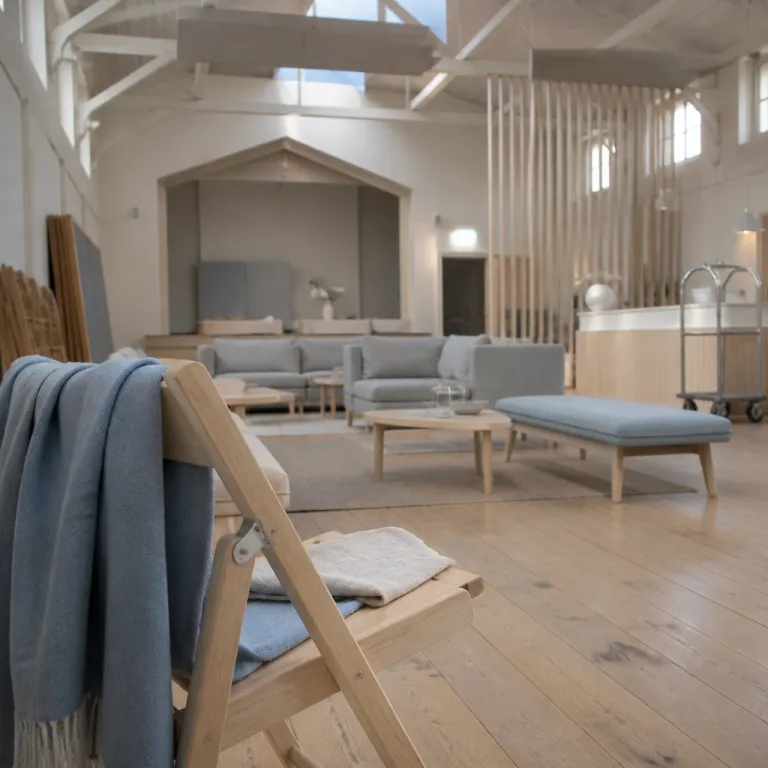
Why the Townhead Village Hall hotel chain affiliation question matters for hospitality design strategy
The recurring search for “townhead village hall hotel chain affiliation” reveals a deeper tension between community architecture and branded hospitality environments. Townhead Village Hall in Glasgow is not a hotel and has no confirmed hotel chain affiliation, yet its role as a social hub offers valuable lessons for architects and hospitality designers. When professionals analyse this community venue, they can better understand how non commercial buildings shape expectations for hotel experiences in urban neighbourhoods and how guests will respond to spaces that feel genuinely civic.
Townhead Village Hall operates as a community center that provides social activities, meetings, and event spaces for local residents in the Townhead area of Glasgow. Its architecture is modest, but its programmatic mix of community services, facility rentals, and local partnerships mirrors the multi use logic of a contemporary lifestyle hotel. For design teams working on urban hotels, the way this hall supports members of the community can inform how a lobby, restaurant, or gym is positioned as a civic living room rather than a closed guest only enclave that people want to skip.
For asset managers and investors, the absence of any Townhead Village Hall hotel chain affiliation underlines a strategic focus on social value rather than brand standardisation and revenue per available room. This emphasis on community does not make the model less relevant for hospitality, because it highlights how good spatial planning, state of the art meeting rooms, and flexible event layouts can generate loyalty without a flag. When hotel owners and bureaux d’études study such community assets, they will often identify transferable principles for better FF&E specifications, more inclusive circulation, and more resilient mixed use programming that guests genuinely enjoy.
From community hub to brand narrative: translating Townhead Village Hall into guest experience design
The debate around a hypothetical Townhead Village Hall hotel chain affiliation invites a crucial question: how can a hotel behave like a community hall while remaining commercially viable? Townhead Village Hall serves as a hub for social activities, meetings, and local initiatives, which positions it as an informal brand in the minds of residents. Hospitality designers can translate this implicit brand equity into hotel concepts that foreground neighbourhood stories, local art, and inclusive programming that feels authentic rather than staged.
Architects and hospitality designers should map the hall’s daily and weekly rhythms, then reimagine them as layered hotel experiences that guests can enjoy without feeling like outsiders. Morning community meetings in a village hall can become co working sessions in a hotel lobby, while evening social events can evolve into curated cultural programming in a bar or restaurant. When asset managers evaluate a potential conversion or adjacency project near Townhead, they should consider how a hotel could host community members for a party, charity event, or educational workshop, rather than limiting the building to transient guests.
The absence of a Townhead Village Hall hotel chain affiliation also raises questions about brand governance and flexibility in guest experience design. Chain hotels often rely on standardised FF&E packages, but a community rooted concept demands more bespoke furniture, lighting, and art selections that reflect the local state of mind. For teams shaping brand and guest experience design along complex coastlines or urban edges, case studies such as how HVD Hotels shapes brand and guest experience design along the Black Sea coast provide a useful counterpoint to the hyper local, non branded model of Townhead Village Hall, illustrating how mixed use hospitality and community hotels can coexist.
Programming, meetings, and event design inspired by Townhead Village Hall
Townhead Village Hall is structured around community events, facility rentals, and partnerships with local councils and educational institutions. This operational model offers a rich template for hotel meetings and event design, even though there is no Townhead Village Hall hotel chain affiliation. For directions techniques and FF&E suppliers, the key insight is that flexible, robust spaces can support a wide spectrum of uses without constant reconfiguration costs or disruption to other guest experiences.
In practice, this means designing meeting rooms and event suites that can host a corporate meeting at one time, a family party the next day, and a neighbourhood social gathering on weekends. Hotels that emulate the hall’s adaptability will need stackable seating, modular tables, and acoustic partitions that maintain a good level of comfort while allowing rapid turnover. When architects specify finishes, they should balance durability with a warm material palette so that the same room feels appropriate for a formal conference, a community art workshop, or a charity dinner that local residents will remember as a good experience.
Accessibility is another lesson drawn from Townhead Village Hall, which is reachable by public transport and offers nearby parking for members of the community. Hospitality projects that integrate similar access strategies, including barrier free routes from arrival to meetings and dining areas, will perform better with both local guests and international travellers. For outdoor amenities such as pools or landscaped terraces, design teams can study how beach entry pools reshape hospitality design, accessibility, and guest experience, then adapt those principles to urban courtyards that welcome both hotel guests and local residents for social events.
FF&E and state of the art flexibility for hybrid social spaces
Although Townhead Village Hall is not a hotel, its FF&E logic aligns closely with current hospitality trends toward hybrid social spaces. The ongoing interest in a possible Townhead Village Hall hotel chain affiliation reflects how operators seek community credibility while maintaining operational efficiency. To achieve this balance, FF&E packages must support both intense event use and quieter daily activities for local members and visitors, from informal meetings to solo laptop work.
In a hotel context, this translates into seating that works for informal meetings, laptop work, and relaxed dining without constant rearrangement. Tables with integrated power, stackable yet comfortable chairs, and mobile service stations allow staff to pivot from a breakfast service to a community workshop or evening party in minimal time. Lighting schemes should combine ambient layers for social interaction with focused task lighting for reading or working, while acoustic treatments ensure that parallel experiences can coexist without conflict.
State of the art technology integration is equally critical, from plug and play presentation systems in meeting rooms to discreet sound systems in restaurant and bar areas. When designers plan a gym or wellness corner adjacent to social zones, they must consider acoustic separation, circulation, and visual privacy so that guests enjoy both energetic and calm experiences. For long term refurbishment strategies, specifiers can refer to a hotel room design working list for openings and refurbishments to align back of house durability with front of house flexibility, ensuring that the main content of the brand narrative remains coherent even as programming evolves.
Operational models, members, and the blurred line between hall and hotel
The operational distinction between Townhead Village Hall and a hotel is clear: one is a community center, the other a commercial hospitality asset. Yet the ongoing curiosity about a Townhead Village Hall hotel chain affiliation shows how guests increasingly expect hotels to function as social infrastructure. For asset managers, this means evaluating whether a property should introduce membership models, local loyalty schemes, or co branded community programs that echo the hall’s role and create a good balance between local and visitor demand.
Some urban hotels already operate semi private clubs where local members gain access to a gym, co working spaces, and curated social events. When these programs are designed with sensitivity to the surrounding area, they can strengthen ties with residents rather than creating an exclusive enclave that people want to skip. The key is to ensure that offers for locals complement, rather than compete with, core room revenue and F&B operations, so that both guests and neighbours enjoy a better overall experience.
For directions techniques and bureaux d’études, this hybrid model has implications for circulation, security zoning, and building services. Separate access points may be required for members using the gym or attending a community meeting, while still allowing hotel guests to flow naturally between lobby, restaurant, and event spaces. Clear wayfinding that does not force users to skip main routes, combined with intuitive signage and lighting, will support both operational efficiency and a welcoming social atmosphere.
Digital journeys, wayfinding, and the semantics of “skip main content” in physical space
The phrase “skip main content” belongs to digital accessibility, yet it offers a powerful metaphor for spatial design in hotels and community halls. In web design, a skip main content link allows users to bypass repetitive navigation and reach the main content quickly. In architecture, guests and community members seek similarly direct routes to the experiences they value most, whether that is a meeting room, a dining area, or a cultural event.
Townhead Village Hall organises its circulation so that visitors can move efficiently from entrance to meetings or social activities without confusion. Hotels that aspire to the same clarity should align digital wayfinding, signage, and spatial hierarchy so that guests never feel lost or forced through unnecessary retail gauntlets. When evaluating a potential Townhead Village Hall hotel chain affiliation scenario, designers should ask whether the building’s plan allows people to reach the restaurant, bar, or event spaces in a straight, legible path.
For FF&E suppliers, this has implications for how furniture clusters define or obstruct routes, especially in lobbies that double as co working and social hubs. Seating islands should frame, not block, the intuitive line from entrance to reception, then onward to lifts, meetings, and dining zones. By treating circulation as the main content of the spatial story, rather than an afterthought, hotels can offer a better guest experience that feels as welcoming and legible as a well run community hall in the heart of Glasgow.
Key figures and strategic insights for community driven hospitality design
- Publicly available charity and council records indicate that Townhead Village Hall is overseen by a local management committee, illustrating a lean governance structure that hospitality investors can compare with multi layer hotel ownership and operator models.
- Local listings and event calendars show that the hall has hosted community activities for many years, demonstrating how consistent programming and accessible event spaces can sustain relevance without the marketing power of a hotel chain.
- Its reported location in the Townhead district of Glasgow, within walking distance of public transport, underlines the value of transit oriented siting for both community halls and urban hotels targeting mixed local and visitor demand.
- The venue’s focus on community events, facility rentals, and partnerships with local councils and educational institutions demonstrates a diversified activity mix that hotels can emulate through co created cultural programming and flexible meeting offers.
- Documented outcomes such as increased community engagement and expansion of services highlight how non branded venues can achieve strong social ROI, a metric that hospitality brands increasingly track alongside traditional KPIs like RevPAR and F&B spend.
FAQ about Townhead Village Hall and hotel chain affiliation
Is Townhead Village Hall affiliated with a hotel chain ?
No, it is a community center with no hotel chain affiliation. The building provides social activities, event spaces, and community programs rather than commercial accommodation. Any discussion of a Townhead Village Hall hotel chain affiliation is therefore conceptual, used to explore how community models can inform hospitality design.
What services does Townhead Village Hall offer that are relevant to hotel design ?
The hall offers social activities, meetings, and event spaces for local residents, supported by community programs and partnerships with local organisations. These services mirror the multi use logic of hotel ballrooms, meeting suites, and social hubs. Architects and designers can study how the hall manages flexible layouts, accessibility, and community engagement to inform hotel renovation strategies.
Where is Townhead Village Hall located, and why does the area matter for hospitality projects ?
Townhead Village Hall is located in the Townhead district of Glasgow, Scotland. The area combines residential, educational, and civic uses, making it a relevant context for mixed use hospitality developments. Proximity to public transport and community institutions increases the potential for hotels to host local events and build strong neighbourhood relationships.
How can hotel brands collaborate with community centers like Townhead Village Hall ?
Hotel brands can collaborate through shared events, co branded cultural programs, and joint use of meeting or event spaces. Such partnerships allow hotels to support local initiatives while gaining authentic visibility among community members. Design teams should plan flexible FF&E and circulation strategies so that these collaborations integrate smoothly into daily operations.
What are the main design lessons from Townhead Village Hall for future hotel renovations ?
Key lessons include prioritising flexible event spaces, ensuring clear and accessible circulation, and designing interiors that feel welcoming to both locals and visitors. Hotels can adapt the hall’s community first mindset by programming social events, art exhibitions, and educational workshops in their public areas. These strategies strengthen brand and guest experience design while anchoring the property within its urban context.