Summer wellness check for hotel spas: why June exposes every design weakness
By June, the gap between a neutral spa and a true summer wellness engine becomes painfully visible. Wellness focused guests move from air conditioned corridors to sun drenched terraces, and they instantly assess whether your hotel spa design for summer wellness feels like an intentional wellness journey or an afterthought beside the pool. For a general manager balancing P&L and guest satisfaction, this is the month when spa design either supports rate growth or quietly suppresses ancillary revenue.
Across resorts and urban hotels, spa wellness demand spikes as digital fatigue pushes guests toward spaces that help them unplug and reconnect with nature. Spa guests arrive with clear expectations shaped by global wellness benchmarks, and they now compare your wellness facilities not only with local hotel spas but with destination retreats in Thailand, South Tyrol or any mountain resort they scroll past on social media. When they complete their informal hotel check on arrival, they are not only judging rooms and lobby design ; they are also scanning for a coherent spa design language that signals a credible wellness retreat for the summer period.
Research on spa design trends for June shows that guests increasingly prioritise natural materials, sensory design and sustainable practices in both private treatment rooms and shared wellness facilities. Industry data indicates that a large majority of spa guests prefer natural materials in wellness spaces, while demand for sensory design elements has risen significantly in recent seasons. These expectations now shape which hotel spa becomes a favourite for repeat stays, which luxury hotel can confidently promote summer wellness programmes, and which properties see guests skip the spa in favour of the main plunge pool or beach bar.
Detail one: treatment room ventilation that passes the summer wellness test
The first design detail that fails in June is almost always air management in treatment rooms. Mechanical cooling alone rarely passes a serious summer wellness check, because guests stepping from hot terraces into sealed spa rooms experience a jarring thermal and acoustic shift that undermines the intended wellness journey. When the guest experience is supposed to feel like a seamless transition from pool to massage to steam room, stale air and background fan noise signal an under specified spa design rather than a state of the art wellness retreat.
Natural or hybrid ventilation strategies change this equation for hotel spas, especially in resorts and mountain hotels where evening temperatures drop. Operable façades, filtered fresh air intakes and cross ventilation between private treatment rooms and shaded courtyards allow designers to reduce mechanical load while maintaining comfort during key summer dates. In practice, this means specifying doors, windows and acoustic louvres that can be safely opened during certain programmes, with controls that let therapists adjust conditions without calling engineering every time a guest requests a cooler or warmer treatment experience.
For a general manager, the ROI case is straightforward when you link ventilation to revenue metrics rather than only to technical compliance. Better air quality and thermal comfort extend dwell time in wellness facilities, increase uptake of add on treatment programmes and reduce complaints that erode online ratings for the hotel spa. When you next review a hotel check report or guest comments about rooms and public areas, look for patterns mentioning air, smell or noise in the spa ; these are design signals that your summer wellness check has already been failed by the market.
Ventilation strategy also interacts with adjacent spaces such as the lobby and circulation routes, where guests form their first sensory impression of the hotel. The same operators checklist mindset that now governs serious hotel lobby design in 2026 should be applied to spa arrival zones, with a focus on air movement, scent and acoustic separation from F&B or back of house. Aligning lobby and spa design standards ensures that the wellness narrative feels coherent from the first hotel check at reception to the final moment when guests book a future stay before departure.
Detail two: outdoor treatment spaces that work in real summer heat
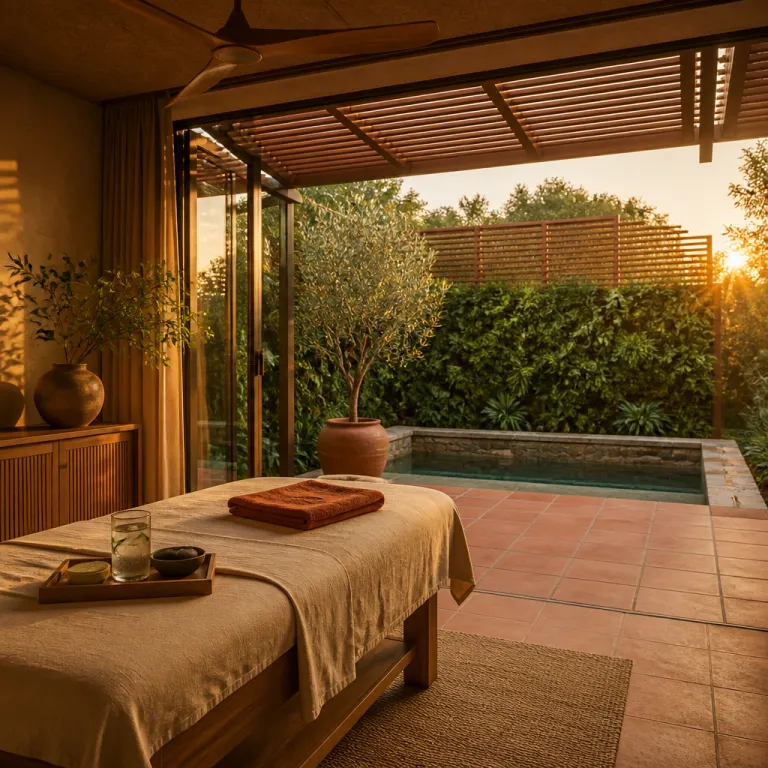
The second design detail that separates high performing hotel spas in June is the way outdoor treatment spaces handle actual heat, glare and humidity. Many resorts promote open air cabanas or rooftop wellness terraces, yet the materials, shading and water features are often specified for photography rather than for a credible summer wellness journey. Guests quickly sense when an outdoor spa pavilion is too hot, too bright or too noisy to support a serious wellness retreat, and they retreat back to indoor rooms or the main pool deck.
Design teams that treat outdoor spa areas as primary wellness facilities rather than decorative add ons make different specification choices. They use deep shade structures, adjustable screens and planting to create layered protection, then combine these with misting lines, ceiling fans and carefully positioned plunge pools or cold plunge features that reset body temperature between treatments. In mountain resorts or destinations like South Tyrol, this might mean orienting outdoor decks to capture cooler valley breezes, while in Thailand or coastal hotels it can involve raised platforms above reflective hardscape, with high albedo surfaces that stay touch safe under direct sun.
Material selection is where FF&E suppliers and bureaux d’études can materially influence both comfort and maintenance costs. Surfaces for outdoor spa rooms, paths and plunge pools should be specified for low heat gain, barefoot safety and acoustic softness, so that the sound of water and wind dominates rather than the scrape of furniture or the echo of neighbouring community spaces. When evaluating options, remember that biophilic design is not only about adding plants ; it is about orchestrating light, air, sound and texture to extend dwell time and uplift spend across the entire wellness journey.
Evidence from biophilic hospitality case studies shows that well executed nature based design can generate a measurable dwell time premium and corresponding revenue uplift. Properties that invest in shaded, acoustically controlled outdoor spa zones often see higher capture of F&B spend around wellness facilities, because guests linger between treatments instead of returning to their rooms. For a general manager, this is where hotel spa design for summer wellness moves from soft branding to hard numbers on the P&L.
Detail three: water acoustics and thermal contrast that make summer spa zones therapeutic
The third design detail guests expect in June, but rarely find, is water that sounds and feels therapeutic rather than chaotic. Most hotels already offer a pool, perhaps a plunge pool or even several plunge pools, yet the acoustic environment around these features often resembles a family resort rather than a curated spa wellness zone. When the soundtrack is dominated by splashing, loud conversations and mechanical hum, the guest experience cannot credibly support a wellness retreat narrative, no matter how refined the finishes.
Acoustic design tools allow spa designers to tune the soundscape using water features, materials and layout. Narrow cascade walls, laminar jets and shallow rills can create a consistent broadband sound that masks voices without becoming aggressive, while porous stone, timber and planting absorb reflections around the main plunge pool and adjacent sauna steam or steam room zones. In luxury spa environments, this calibrated sound design is paired with thermal contrast elements such as cold plunge pools, experience showers and shaded relaxation decks that help guests reset after time in the sauna steam circuit.
From an operational perspective, these details influence both perceived value and actual utilisation of wellness facilities during peak summer dates. When guests can move from a hot terrace to a cool, acoustically soft spa courtyard, alternate between warm pools and a cold plunge, then rest in a quiet private nook with a framed view, they are more likely to extend their stay on site and to book additional treatment programmes. This pattern directly supports higher ancillary revenue and strengthens the case for positioning the property as a serious player in the global wellness market rather than just another hotel with a pool.
Thoughtful integration of glass, balustrades and safety elements around water zones also matters for both protection and aesthetics. Design teams now look at how vault glass and other advanced glazing solutions can reshape hospitality design, balancing guest experience with risk management in wet areas and elevated spa decks. When these technical decisions are aligned with acoustic and thermal strategies, the result is a hotel spa design for summer wellness that feels effortless to the guest but is deeply engineered behind the scenes.
How to run a June spa readiness audit without a full renovation
Not every property can rebuild its spa before peak season, but every general manager can run a focused summer wellness check. Start with a structured hotel check of the spa journey, walking the route from rooms to wellness reception to treatment spaces at the same times of day when guests typically move, and log temperature, glare, noise and smells at each point. This simple audit often reveals that a favourite design feature in winter, such as a glass corridor or dark stone floor, becomes a liability for summer wellness when heat and light conditions change.
Next, identify quick specification upgrades that can be executed with minimal disruption and realistic availability from suppliers. These might include higher performance window films in key spa rooms, additional shading for outdoor relaxation decks, portable misting lines near plunge pools, or acoustic panels behind reception to separate the wellness community from the main hotel lobby. In some cases, reprogramming existing wellness facilities, such as shifting certain treatment programmes to cooler morning dates or reserving specific hours for quiet spa wellness use, can materially improve the guest experience without any construction.
Operational tweaks also matter, especially in luxury hotel environments where expectations for hotel spas are high. Adjusting cleaning schedules to avoid noisy activity during peak relaxation times, training therapists to manage doors and windows for optimal cross ventilation, and coordinating F&B service so that healthy options reach spa guests without breaking the sense of retreat can all be implemented quickly. When evaluating options, remember the guidance that “Incorporating natural materials, sensory design, and sustainable practices.” and that “It enhances relaxation by engaging multiple senses.” and that “They create a calming environment and connect guests to nature.” because these principles align with both guest expectations and long term asset value.
Finally, link every intervention back to measurable outcomes such as treatment capture rate, average spend per spa guest and repeat book stay patterns across key summer dates. Asset managers and investors respond to clear data showing that targeted upgrades in spa design, ventilation, shading or acoustic control have improved review scores and extended dwell time in wellness facilities. When those numbers move, the case for a deeper renovation of the hotel spa design for summer wellness becomes much easier to defend in the next capital planning cycle.
FAQ
What are the latest spa design trends guests expect in June ?
Guests now expect spa design that combines natural materials, sensory layering and sustainable practices, especially during summer wellness peaks. This includes biophilic elements, flexible ventilation in treatment rooms and outdoor wellness facilities that remain comfortable in real heat. Properties that align their hotel spa design for summer wellness with these trends see stronger guest satisfaction and higher utilisation of spa programmes.
How can a hotel evaluate its spa’s summer readiness quickly ?
A practical approach is to run a structured summer wellness check that follows the full guest journey from rooms to spa and back. Measure temperature, glare, noise and air quality at different times of day, then compare these observations with guest feedback and review data. This method highlights where small specification upgrades or operational changes can significantly improve the guest experience without a full renovation.
Why is sensory design so important for hotel spas in summer ?
Sensory design shapes how guests perceive value and relaxation, especially when they arrive overheated or overstimulated from outdoor areas. Calibrated light, sound, scent and touch help transition guests into a wellness mindset more quickly, which supports higher uptake of treatments and longer dwell time in wellness facilities. In summer, when contrasts between exterior heat and interior cool are strongest, this sensory orchestration becomes a key differentiator between average hotel spas and serious wellness retreats.
Can outdoor spa spaces work in very hot climates without major construction ?
Yes, many outdoor spa areas can be upgraded for summer wellness through targeted shading, misting, surface and acoustic interventions. Adding adjustable shade structures, high albedo flooring, portable misting systems and soft acoustic materials can transform existing decks or cabanas into viable wellness facilities. These changes often deliver a strong ROI by increasing utilisation of outdoor treatment programmes and reducing pressure on indoor rooms during peak dates.
How does biophilic design impact spa revenue and guest loyalty ?
Biophilic design connects guests to nature through materials, views, planting and environmental comfort, which tends to increase dwell time and perceived value. Longer dwell time in spa and wellness zones usually translates into higher F&B spend, more treatment bookings and stronger intent to book a future stay. For asset managers, this link between biophilic design and measurable revenue uplift makes investment in nature based spa design a strategic decision rather than a purely aesthetic one.
References
DLR Group – hospitality design trends for wellness focused properties.
Parshva Associates – analysis of biophilic design impacts in boutique hotels.
International WELL Building Institute – WELL Building Standard guidelines for air, light and thermal comfort.