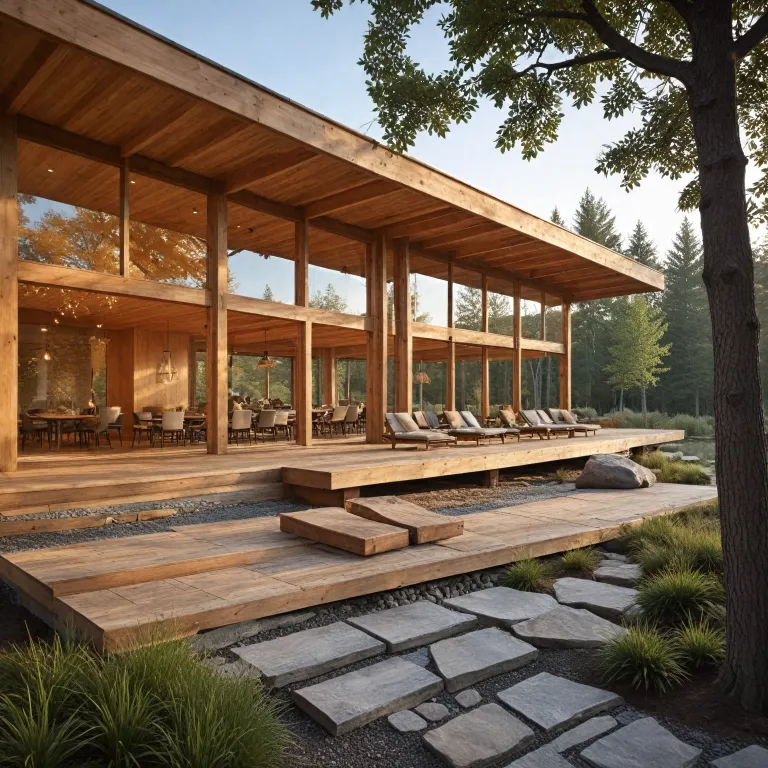
Timber pavilions as strategic assets in hospitality outdoor space
For hotels and resorts, a timber pavilion is no longer a simple garden shelter; it has become a strategic asset that shapes outdoor living, guest experience, and RevPAR. When architects and asset managers align the timber, the pavilion, and the surrounding landscape, the result is an outdoor space that extends F&B capacity, supports events, and enhances ADR without adding enclosed GFA. Hospitality designers now treat timber frames and frame pavilions as micro destinations, where the frame, the roof, and the post beam composition curate views, shade, and acoustic comfort.
Operators increasingly request outdoor pavilion concepts that can host breakfast service, yoga, or weddings, which pushes design teams to refine every plan and post plan. A well detailed wood pavilion or series of wooden pavilions can unlock underused backyard or courtyard areas, transforming them into revenue generating outdoor living lounges. For investors, the construction of a backyard pavilion cluster in a resort’s quiet zone can be a relatively low capex move compared with a full building extension, especially when using pre cut timber frames or a pavilion kit.
Technical directors must still treat each timber frame pavilion as a permanent structure, with clear pavilion plans, frame plans, and structural reviews. The choice between a king post or multiple king posts, between a lighter beam grid or a heavier post beam system, directly affects spans, fire strategy, and maintenance. When the pavilion roof, timber framing, and mortise tenon joinery are coordinated with MEP and lighting, the result is a durable outdoor pavilion that reads as architecture, not temporary décor.
Designing timber frame pavilions for climate, comfort, and brand identity
Designing a timber frame pavilion for hospitality starts with climate analysis, guest flow, and brand storytelling rather than catalog images. The frame pavilion must respond to sun paths, prevailing winds, and rainfall, with the roof geometry, beam depth, and post spacing tuned to local comfort thresholds. In humid or coastal regions, architects often specify denser timber frames and higher roofs to encourage natural ventilation, while in alpine resorts the pavilion roof becomes heavier, with deeper overhangs and robust post beam assemblies.
For lifestyle brands, the wood species, joinery expression, and pavilion plans become part of the narrative. Exposed mortise tenon joints, visible tenon joinery, and carefully chamfered timber can signal craftsmanship and sustainability, especially when paired with low VOC finishes and locally sourced wood. Many operators now request outdoor pavilion concepts that blur boundaries between indoor lounge and terrace, using wooden pavilions as transitional rooms with integrated fireplaces, flexible FF&E, and curated lighting scenes.
Technical teams must also integrate digital tools, from parametric frame plans to robotic prefabrication of pre cut timber framing kits. These methods support consistent quality in each pavilion kit, reduce waste, and shorten construction timelines, which is critical for properties that cannot afford long downtime. When evaluating envelope strategies, designers increasingly compare timber pavilion shading performance with advanced glazing systems, as seen in hospitality projects that experiment with innovative glass for guest protection and experience, ensuring the outdoor space remains usable across seasons.
Structure, joinery, and durability in hospitality grade timber pavilions
From a structural perspective, the king post truss remains a workhorse for the timber pavilion in hotels, balancing elegance and efficient spans. A single king post or a series of king posts can support generous roof overhangs, allowing the frame pavilion to shelter F&B terraces, pool bars, or spa relaxation decks. Engineers carefully size each beam and post beam connection, ensuring that timber frames meet local codes for snow, wind, and seismic loads while preserving the refined appearance expected in upscale hospitality.
Traditional mortise tenon joinery still plays a central role, especially where operators value visible craftsmanship and long term serviceability. Properly detailed mortise tenon and tenon joinery reduce the need for exposed steel plates, which can corrode in coastal environments and visually conflict with warm wood surfaces. Many manufacturers now offer pre cut pavilion kit solutions, where each timber frame component, from the smallest pin to the main beam, arrives labeled and ready for rapid assembly on constrained hotel sites.
For heritage conversions and urban boutique hotels, a timber pavilion can mediate between historic masonry and contemporary glass, much like adaptive reuse projects that transform former banks into hospitality benchmarks, such as the conversion of historic buildings into contemporary hotels. In these contexts, the wood pavilion often becomes a signature courtyard element, with frame pavilions echoing existing structural rhythms. Detailed reviews of moisture management, fire protection, and maintenance cycles are essential, because a hospitality grade backyard pavilion must withstand intensive use, cleaning regimes, and evolving FF&E over decades.
From catalog kit to bespoke hospitality pavilion: process and procurement
The procurement journey for a hospitality timber pavilion typically begins with concept sketches and high level plans, but quickly moves into coordination with specialized timber frame pavilion manufacturers. Asset managers and design directors compare pavilion kit options against fully bespoke timber frames, weighing capex, lead times, and the ability to adapt frame plans to brand standards. Pre cut kits can be attractive for remote resorts, where a complete frame pavilion arrives on site with each post, beam, and pin ready for assembly by local contractors.
However, hotels with complex outdoor space geometries or strict design guidelines often require custom pavilion plans and post plan layouts. In these cases, architects and structural engineers collaborate closely with manufacturers to refine the timber framing, mortise tenon details, and roof profiles, ensuring that the wood pavilion aligns with both structural logic and guest experience goals. The construction phase is typically compressed, with on site assembly of timber frames and wooden pavilions scheduled between peak seasons to protect occupancy.
Throughout this process, technical teams rely on detailed reviews of shop drawings, connection details, and finish samples, often using digital models to coordinate lighting, sprinklers, and AV within the frame. Strategic investors increasingly view these outdoor pavilion interventions as part of broader repositioning programs, similar in ambition to large scale architecture and renovation strategies discussed in forums on how lodging conferences influence hotel architecture and renovation. When procurement, design, and construction are aligned, the result is a hospitality pavilion that feels bespoke, even when it began life as a standardized kit.
Operational performance, guest reviews, and lifecycle of timber pavilions
Once in operation, the timber pavilion becomes a live test of how architecture, FF&E, and service choreography interact in outdoor living environments. Guest reviews frequently mention comfort under the pavilion roof, the tactile quality of wood surfaces, and the perceived intimacy of frame pavilions compared with open terraces. Positive reviews can validate early design decisions about beam spacing, post locations, and the balance between open views and sheltered corners.
For operations teams, a backyard pavilion or cluster of wooden pavilions can significantly increase F&B covers, event capacity, and spa offerings, but only if circulation and service plans are robust. Clear pavilion plans and post plan diagrams help staff manage furniture layouts, mobile bars, and seasonal décor without compromising egress or damaging timber frames. Maintenance teams must implement regular inspections of each post, beam, and pin, checking for moisture ingress at roof junctions, wear at mortise tenon joints, and surface degradation of exposed wood.
Lifecycle planning should be embedded from the first construction discussions, with realistic expectations about refinishing intervals, potential replacement of heavily exposed elements, and the flexibility of the frame pavilion to host new uses. When operators track performance data alongside qualitative reviews, they can justify further investment in outdoor pavilion networks across a portfolio. In many resorts, the success of a single outdoor pavilion prototype has led to rollouts of multiple frame pavilions, each adapted to site conditions yet sharing a coherent timber framing language.
Future directions: digital fabrication, sustainability, and adaptive hospitality pavilions
The future of the timber pavilion in hospitality is shaped by digital design, robotic fabrication, and evolving sustainability metrics. Architects and engineers increasingly use parametric tools to generate optimized frame plans, adjusting post beam grids, king post configurations, and roof pitches to minimize material while maintaining comfort. These models feed directly into robotic cutting lines that produce pre cut timber framing components, enabling precise mortise tenon and tenon joinery at scale.
Sustainability expectations push design teams to specify certified timber, low impact finishes, and reversible construction strategies for timber frames and wooden pavilions. Many manufacturers report that a significant percentage of pavilions now use Eastern White Pine or comparable species, reflecting both availability and structural performance. As one industry summary notes, “Timber pavilions offer durable, aesthetically pleasing outdoor spaces suitable for various activities, utilizing sustainable materials and traditional craftsmanship.”
Looking ahead, adaptive outdoor pavilion systems may allow hotels to reconfigure frame pavilions over time, responding to shifting guest behaviors and F&B concepts. Modular pavilion kit approaches, where each post, beam, and pin can be relocated within a defined grid, could support seasonal cabanas, pop up dining, or wellness programming. For design offices, technical directors, and investors, the challenge will be to balance this flexibility with the timeless appeal of a well proportioned timber frame pavilion, ensuring that every plan, post plan, and construction decision contributes to long term brand value.
Key quantitative insights for hospitality timber pavilions
- Average size of a typical hospitality timber pavilion is around 200 square metres of covered outdoor space, often divided into several functional zones.
- End to end project timelines usually span about 3 months from initial design sign off to completion of construction, excluding early feasibility studies.
- Approximately 70 percent of hospitality pavilions specified by leading manufacturers use Eastern White Pine or comparable softwood species for primary structural members.
Questions architects and hotel owners frequently ask about timber pavilions
What are the benefits of a timber pavilion?
Timber pavilions offer durable, aesthetically pleasing outdoor spaces suitable for various activities, utilizing sustainable materials and traditional craftsmanship. For hospitality properties, these structures extend usable outdoor space, support F&B and wellness programming, and reinforce brand narratives around nature and authenticity. When carefully detailed, they also provide favorable acoustics and thermal comfort compared with fully exposed terraces.
How long does it take to build a timber pavilion?
The timeline varies, but typically includes 1-2 months for design, 2-4 months for construction, and 1-3 days for installation. In hospitality settings, design teams often compress this schedule by using pre cut kits and off site fabrication to reduce disruption to guests. Early coordination with operators and local authorities is essential to align construction windows with low occupancy periods.
Can timber pavilions be customized?
Yes, many manufacturers offer customizable designs to meet specific client needs and site conditions. Architects can adjust spans, roof forms, and joinery expression, while operators tailor FF&E, lighting, and climate control strategies. This flexibility allows each pavilion to reflect the property’s identity while benefiting from proven structural systems.
How do climate and site conditions influence pavilion design?
Climate and site conditions drive decisions about roof pitch, overhang depth, ventilation strategies, and material protection. In hot climates, designers prioritize shading and airflow, while in cold or wet regions they focus on snow loads, drainage, and durable finishes. Site orientation, views, and existing vegetation further shape pavilion placement and frame geometry.
What maintenance strategies are recommended for hospitality timber pavilions?
Recommended strategies include scheduled inspections of structural members, regular cleaning of roof and drainage interfaces, and periodic refinishing of exposed wood surfaces. Maintenance teams should monitor mortise tenon joints, metal connectors, and contact points with paving for early signs of moisture or movement. A documented maintenance plan helps preserve both structural integrity and guest facing aesthetics over the pavilion’s lifecycle.