Repositioning las casitas village a waldorf astoria resort within a larger hospitality ecosystem
Las casitas village a waldorf astoria resort in Fajardo operates as an architectural enclave nested inside a broader resort ecosystem. The village of 157 villas sits on approximately 500 acres above the Caribbean, sharing infrastructure yet asserting its own identity. For architects and asset managers, this duality between village and resort raises strategic questions about privacy, circulation, and operational zoning.
Located along Avenida Conquistador in Fajardo Puerto Rico, the property leverages topography to separate flows between the main conquistador resort and the more secluded casitas village. Guests move between the village conquistador plateau, the golf course, the coqui water park, and the private beach via carefully choreographed routes. Each room and suite in las casitas is air conditioned, with a flat screen and residential style layouts that differentiate the hotel product from standard resort rooms.
The integration with El Conquistador Resort means that guests in the casitas village access shared amenities while retaining a sense of retreat. This hybrid model allows investors to position las casitas village a waldorf astoria resort as a premium tier within the wider resort, capturing higher rates per room las while optimizing shared back of house. The address in Puerto Rico, near las croabas and croabas fajardo, also anchors the resort within a regional tourism corridor. For design teams, the challenge lies in reinforcing the intimate village character while maintaining coherent branding with the waldorf astoria and astoria resort standards.
Designing privacy gradients between village, resort, and coastline
The architectural narrative at las casitas village a waldorf astoria resort is fundamentally about privacy gradients. From the public arrival sequence at the main conquistador resort to the semi private terraces of each casitas cluster, spatial transitions are meticulously layered. This approach allows the village to feel both connected to and distinct from the larger hotel complex in Fajardo Puerto Rico.
Designers have used the steep terrain above las croabas and croabas fajardo to frame each view, ensuring that many casitas overlook the sea, the golf course, or the marina rather than neighboring roofs. The result is a portfolio of room types where every room las casitas can claim a specific view narrative, supporting rate differentiation and asset valuation. Air conditioned interiors with flat screen televisions are standard, but the real luxury lies in the controlled exposure to the landscape and the sense of seclusion.
For hospitality designers studying open concept strategies, the balance between openness and enclosure here contrasts with fully transparent layouts discussed in analyses of open concept design in modern hotels. At las casitas village, the village conquistador morphology favors framed vistas and shaded loggias over fully open façades, which suits the humid Puerto Rico climate. Circulation paths between the casitas village, the coqui water park, and the private beach are intentionally meandering, slowing guests and extending contact with landscape. For operators, this sequencing supports perceived value, while for directions techniques it raises specific questions about wayfinding, lighting, and maintenance in a dispersed village layout.
FF&E strategies for resilient coastal villas in fajardo puerto rico
FF&E decisions at las casitas village a waldorf astoria resort must reconcile waldorf astoria brand expectations with the realities of a coastal climate in Puerto Rico. Salt air, intense UV exposure, and high humidity around Fajardo and las croabas accelerate wear on finishes, textiles, and outdoor furniture. Asset managers therefore need lifecycle models that reflect faster replacement cycles than inland hotels or urban san juan properties.
Within each air conditioned room and villa, FF&E packages prioritize corrosion resistant hardware, moisture tolerant substrates, and easy to clean surfaces. Flat screen televisions, integrated storage, and residential scale seating support the positioning of las casitas as a village of private homes rather than a conventional hotel. Public areas connecting the casitas village to the main conquistador resort, the golf course, and the coqui water park require slip resistant flooring and robust outdoor fabrics that withstand heavy guest traffic.
For design teams, the challenge is to maintain the waldorf astoria and astoria resort aesthetic language while specifying materials that perform in Fajardo Puerto Rico conditions. Insights from research on the architecture of interiors in hospitality are particularly relevant when calibrating lighting, acoustics, and tactile comfort in these villas. Suppliers must also consider logistics to the puerto rico mainland and onward to san juan or fajardo, ensuring that replacement FF&E can be sourced without disrupting occupancy. In this context, the village conquistador layout, with its dispersed clusters, demands modular FF&E strategies that simplify room renovations while keeping disruption for guests to a minimum.
Operational design, butler service, and guest journey mapping
Operationally, las casitas village a waldorf astoria resort functions as a semi autonomous village with its own service choreography. Personalized 24 hour butler service requires back of house circulation that is discreet yet efficient across the terraced site in Fajardo Puerto Rico. For directions techniques and bureaux d’études, mapping these flows is as critical as designing the guest facing architecture.
Each room and villa in the casitas village must accommodate service access for in room dining, housekeeping, and maintenance without compromising privacy. The proximity to the main conquistador resort, the golf course, and the coqui water park adds complexity, as guests move constantly between the village, the private beach, and shared resort amenities. This multi node layout in puerto rico demands robust wayfinding, clear signage for las casitas and the broader village conquistador, and digital check in and check out systems that reduce friction.
From an investor perspective, the integration with the wider astoria resort platform allows shared staffing models between the hotel, the casitas, and other hotels in the portfolio. However, the elevated positioning of las casitas village means service standards must exceed those of a typical resort in san juan or elsewhere in Puerto Rico. The address near las croabas and croabas fajardo also shapes guest expectations of a coastal retreat with immediate access to water based activities. For architects and designers, every operational requirement, from laundry routing to room service delivery, must be embedded in the built fabric of the village to sustain the waldorf astoria promise.
Renovation, repositioning, and asset value across the fajardo coastline
Renovation planning at las casitas village a waldorf astoria resort is inseparable from broader coastal development dynamics in Puerto Rico. The Fajardo Puerto coastline, stretching from las croabas to croabas fajardo, is experiencing renewed interest from investors seeking resilient, experience led resorts. Within this context, the casitas village and the main conquistador resort form a combined asset whose value depends on coherent long term design strategy.
For asset managers, the village conquistador configuration offers flexibility, as villas can be renovated in phases without closing the entire resort. Each room las casitas can be upgraded with new FF&E, enhanced flat screen technology, and improved air conditioned systems while adjacent units remain in operation. This phased approach is particularly relevant when aligning with waldorf astoria and astoria resort brand refresh cycles, which often require synchronized updates across multiple hotels.
Strategic renovation also allows the resort to respond to shifting guest expectations around wellness, privacy, and outdoor living in puerto rico. Enhancing connections between the casitas village, the golf course, the coqui water park, and the private beach can elevate perceived value without major structural interventions. Comparative regional projects, such as design led Caribbean hospitality initiatives examined in this analysis of resort development as a catalyst for sustainable Caribbean hospitality, highlight the importance of integrating landscape, architecture, and operations. For investors evaluating portfolios from san juan to Fajardo, las casitas village a waldorf astoria resort illustrates how a village model can sustain premium positioning when renovation is treated as an ongoing, data informed process rather than a one off event.
Integrating amenities, guest expectations, and regional positioning in puerto rico
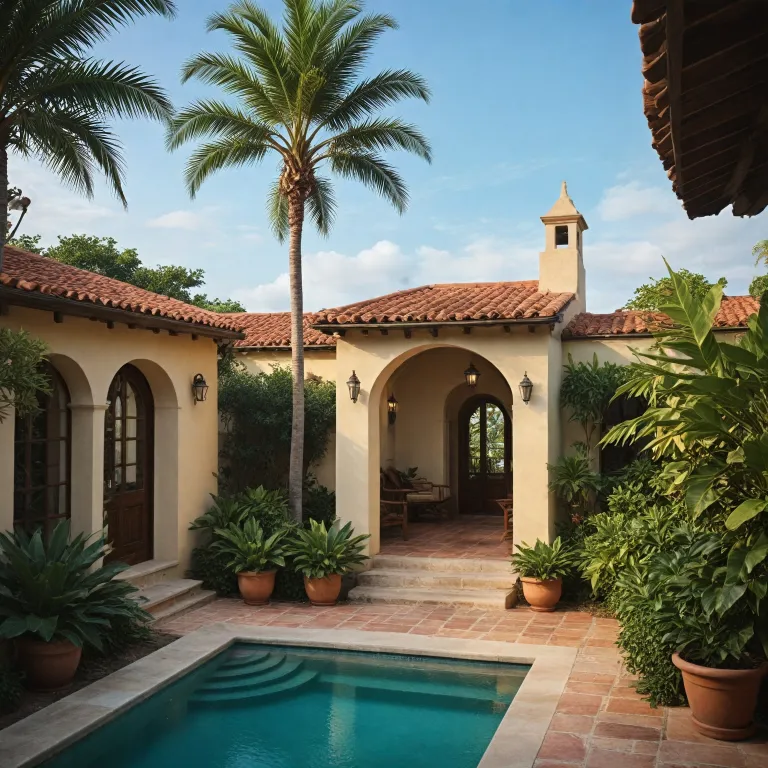
The amenity mix at las casitas village a waldorf astoria resort is central to its competitive positioning in Puerto Rico. Guests staying in the casitas village benefit from a secluded infinity pool, tropical spa services, and full access to the main conquistador resort facilities. These include multiple dining venues, the golf course, the coqui water park, and a private beach that collectively define the resort’s experiential offer.
Within each air conditioned room and villa, the presence of a flat screen, generous seating, and residential details reinforces the sense of a private home. Yet the ability to move easily between the village conquistador, the water park, and the coastline ensures that guests do not feel isolated from activity. For operators, this balance between retreat and engagement supports longer stays and higher ancillary spend across dining, spa, and recreation.
The location near las croabas and croabas fajardo also positions the resort as a gateway to regional excursions around Fajardo Puerto and wider puerto rico, complementing urban stays in san juan hotels. As a result, las casitas village a waldorf astoria resort functions not only as a standalone hotel asset but as part of a broader destination system. For architects, designers, and asset managers, the property demonstrates how a village of villas can be integrated into a large scale resort while preserving intimacy, operational efficiency, and the distinctive waldorf astoria character.
Key quantitative insights for architecture and asset planning
- Las casitas village comprises 157 private villas integrated into the wider resort fabric.
- The combined resort area extends across approximately 500 acres of coastal terrain.
- The site’s elevation above the shoreline enables a high proportion of villas to benefit from premium sea facing views.
- Access to shared amenities, including golf course, water park, and private beach, significantly enhances perceived value per villa.
Frequently asked questions about las casitas village a waldorf astoria resort
What amenities are available at Las Casitas Village?
Guests have access to private villas, a secluded infinity pool, tropical spa services, and all amenities of El Conquistador Resort, including dining options, pools, and a golf course.
Is there a butler service at Las Casitas Village?
Yes, Las Casitas Village offers personalized 24-hour butler service to its guests.
How many villas does Las Casitas Village have?
Las Casitas Village comprises 157 private villas.
Should guests check availability of specific amenities before booking ?
Guests are advised to check the availability of particular amenities, such as certain dining venues or recreational facilities, before booking, as offerings may vary over time or by season.
How does the location in Fajardo, Puerto Rico, influence travel planning ?
The resort’s location in Fajardo, Puerto Rico, means that guests should factor in transfer times from san juan and consider local transport options when planning arrivals, departures, and off site excursions.