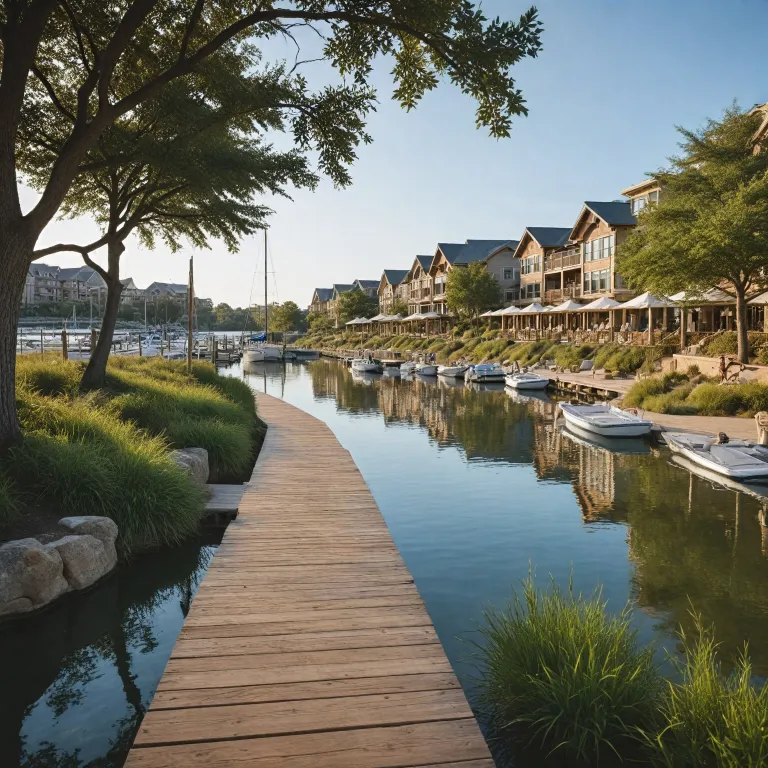
From lakefront vision to billion mixed use reality
Sapphire bay resort emerges as a strategic case study for hospitality architects and investors. Set on the Sapphire Bay Peninsula in Rowlett, Texas, the project translates a bold waterfront vision into a billion mixed use development with measurable impact. For design teams, the scale and ambition of this bay resort demand a rigorous, data driven approach to master planning.
The development combines a 500 key hotel, 1 500 residential units, and 1.7 million square feet of office retail and leisure space. This mixed community is anchored by Hyatt Hotels Corporation, as Hyatt will operate the Sapphire Bay Resort & Conference Center under its Destination Hotels brand. The operator’s standards directly influence architecture, FF&E specifications, and long term asset performance across the entire sapphire bay destination.
At the heart of the concept, the man made bay lagoon and adjacent surf lagoon reshape the relationship between water, landscape, and built form. The 7 acre bay lagoon and 600 foot space surf facility create a controlled aquatic environment that extends the perceived shoreline of Lake Ray Hubbard. For architects, this artificial water system requires advanced water management integration with structural, MEP, and landscape design.
The wider marina district and bay marina frame the lake ray waterfront as a continuous hospitality promenade. Residential units, office retail components, and the resort itself are oriented to capture views over the lake and the marina. This careful orientation of each building around the bay and sapphire water features underpins the project’s positioning as a premier north texas destination.
Designing around water, surf, and the engineered lagoon
The defining design challenge at sapphire bay resort is the interface between architecture and engineered water. The bay lagoon and surf lagoon are not decorative ponds but performance landscapes with strict technical, safety, and operational constraints. For directions techniques and bureaux d’études, this requires early coordination between civil, structural, and hospitality design teams.
The surf village and surf beach components introduce additional complexity, as wave generation, spectator areas, and guest circulation must coexist with hotel and residential privacy. Designers must choreograph views from the resort and from the surrounding mixed community to celebrate the surf action without compromising acoustic comfort. This is particularly sensitive for lake facing residential units that border the surf village and beach club amenities.
Water proximity also drives FF&E and material selection, especially in public areas adjacent to the bay lagoon and marina district. Corrosion resistant metals, slip resistant stone, and UV stable fabrics are essential to maintain performance around the lake ray shoreline. Bathroom and spa specifications follow similar logic, and many teams will benchmark against expert guidance on successful hotel bathroom renovation strategies to align durability with guest expectations.
Within the hotel, the surf and water narrative can be extended through FF&E storytelling rather than literal nautical themes. Textured finishes that echo ripples, sapphire toned glass, and layered lighting can reference the bay without resorting to clichés. This approach allows the texas sapphire identity to remain sophisticated while still rooted in the specific character of Lake Ray Hubbard and the wider Rowlett shoreline.
Structuring a mixed community around hospitality anchors
The sapphire bay development demonstrates how a resort can anchor billion level investment in a mixed community. Here, the hotel and beach club act as primary magnets that elevate the value of surrounding office retail and residential units. For asset managers, the interplay between transient guests and long term residents is central to underwriting and phasing decisions.
The marina district and bay marina extend this hospitality anchor into the water, creating a continuous chain of amenities along the lake ray edge. Restaurants, office retail spaces, and leisure pavilions line the bay, encouraging guests and residents to move fluidly between the resort and the wider destination. This permeability must be balanced with clear zoning to protect privacy and security for both hotel guests and homeowners.
Public private partnership with the City of Rowlett adds another layer of complexity, as public access to the lakefront and surf beach must coexist with commercial imperatives. Urban designers must calibrate promenades, plazas, and access points so that the bay resort remains welcoming yet operationally controlled. The result is a waterfront mixed use framework that can be replicated in other north texas municipalities with similar lakefront assets.
For investors, the billion mixed cost is justified by diversified revenue streams across hospitality, residential, and office retail components. The sapphire bay brand, reinforced by the resort and surf village, supports premium pricing across the entire bay peninsula. This integrated approach transforms a single hotel project into a resilient, long horizon destination strategy for Rowlett and the broader texas market.
FF&E strategies for a lakefront resort and surf village
FF&E at sapphire bay resort must reconcile luxury positioning with the operational realities of a surf and water focused environment. Guest rooms facing the bay lagoon and Lake Ray Hubbard require glazing, shading, and acoustic solutions that manage glare, noise, and heat gain. Within these rooms, FF&E selections should frame the sapphire water views while remaining robust enough for high occupancy cycles.
In public areas, the surf village and beach club programs demand furniture and finishes that can transition between day and night uses. Lightweight yet durable seating, modular lounge elements, and quick dry textiles allow operators to reconfigure spaces around the surf beach and marina district. This flexibility is essential when the resort hosts events that spill across the bay waterfront and into adjacent office retail terraces.
Back of house and support spaces must also be considered within the FF&E narrative, especially in a billion mixed development of this scale. Storage for surf equipment, water sports gear, and outdoor furniture needs to be integrated discreetly into the bay resort architecture. Well planned service routes protect guest experience in the surf village while maintaining efficient operations for Hyatt’s management équipe.
For design teams, sapphire bay offers a reference point for specifying FF&E in future north texas waterfront projects. Lessons from this bay lagoon and surf environment can inform procurement strategies for other lake ray or texas sapphire destinations. Over time, these insights will help standardize performance criteria for FF&E in mixed use waterfront hospitality, from marina decks to elevated beach club terraces.
Technical systems, water management, and regulatory frameworks
The technical backbone of sapphire bay resort is as critical as its architectural expression. Advanced water management systems underpin the bay lagoon, surf lagoon, and broader lake ray interface, ensuring water quality, safety, and energy efficiency. For bureaux d’études, integrating these systems with structural and MEP design is a central challenge.
Filtration plants, pumping stations, and control rooms must be carefully sited within the mixed community so they remain accessible yet visually discreet. Acoustic treatment and vibration control are essential where technical spaces sit below office retail or residential units. These constraints influence massing and circulation across the bay peninsula, particularly near the marina district and surf village.
Regulatory frameworks around water use, environmental impact, and public access add further complexity for the Rowlett and north texas authorities. The project’s privacy policy, data governance, and guest safety protocols must align with both hospitality standards and municipal requirements. This is especially relevant where the bay resort interfaces with public promenades along Lake Ray Hubbard and the bay marina.
For technical directors, the sapphire bay case highlights the importance of early, transparent coordination with public partners. The City of Rowlett’s role in the billion mixed development demonstrates how municipalities can support ambitious waterfront projects while safeguarding the lake. These lessons are transferable to other texas sapphire style destinations that combine resort, marina, and mixed use programs around sensitive water bodies.
Phasing, updates, and long term asset positioning
The multi phase delivery of sapphire bay resort requires careful alignment between construction sequencing, brand positioning, and guest experience. Early phases must already convey a complete destination, even while later office retail or residential units are still under development. For investors, each update to the phasing plan can materially affect cash flow and perceived risk.
Anchoring the first phase with the resort, bay lagoon, and surf village establishes the core identity of the destination. Once the hotel, beach club, and marina district are operational, subsequent phases of the mixed community can leverage established footfall. This strategy helps fill retail and F&B spaces more quickly, while also supporting premium pricing for lakefront residential units.
Ongoing communication about project milestones, including each march sapphire construction update, is essential for stakeholders. Transparent reporting on the progress of the bay marina, surf beach, and texas sapphire infrastructure builds confidence among lenders and public partners. At the same time, Hyatt’s global distribution channels will gradually position sapphire bay within the wider north texas and USA resort network.
For architects and designers, the long horizon of this billion mixed project invites reflection on adaptability and resilience. Spaces around the bay and lake ray waterfront should be designed to accommodate future shifts in leisure trends, work patterns, and climate conditions. Insights from comparable large scale hotel restoration and repositioning projects, such as those examined in this analysis of historic hotel restoration projects, can inform strategies to keep sapphire bay resort relevant over decades.
Key figures and frequently asked questions for design and investment teams
For professionals evaluating sapphire bay resort, several quantitative indicators frame the project’s scale and ambition. The development spans approximately 116 acres on the Sapphire Bay Peninsula in Rowlett, with direct access to Lake Ray Hubbard. Total investment is estimated at around 1 billion USD, positioning the bay resort among the most significant waterfront mixed use projects in north texas.
- The resort hotel program includes about 500 rooms operated by Hyatt.
- The wider mixed community integrates roughly 1 500 residential units.
- Commercial and office retail space totals around 1.7 million square feet.
- Visitor projections indicate up to 6 million guests and visitors annually.
- The site is approximately 40 minutes from both major Dallas airports.
What amenities will sapphire bay resort offer ?
The resort will feature a 7-acre man-made lagoon, a 600 ft surf lagoon, multiple pools, a spa, fitness center, and various dining options.
When is sapphire bay resort expected to open ?
The resort is expected to open in fall 2023.
Who is operating sapphire bay resort ?
Hyatt Hotels Corporation will operate the resort under its Destination Hotels brand.
Where is sapphire bay resort located ?
The resort is located on the Sapphire Bay Peninsula in Rowlett, Texas, along the shore of Lake Ray Hubbard.
What is the total cost of the sapphire bay development ?
The total development cost is estimated at 1 billion USD, reflecting the scale of the mixed use program and its extensive amenities.
For further technical and strategic context, professionals can consult Hyatt Hotels Corporation, the City of Rowlett, and Sapphire Bay Land Development, LLC. These actors collectively illustrate how public private collaboration can unlock complex waterfront hospitality destinations. Their experience at sapphire bay resort will likely inform future lakefront and marina led developments across texas and beyond.