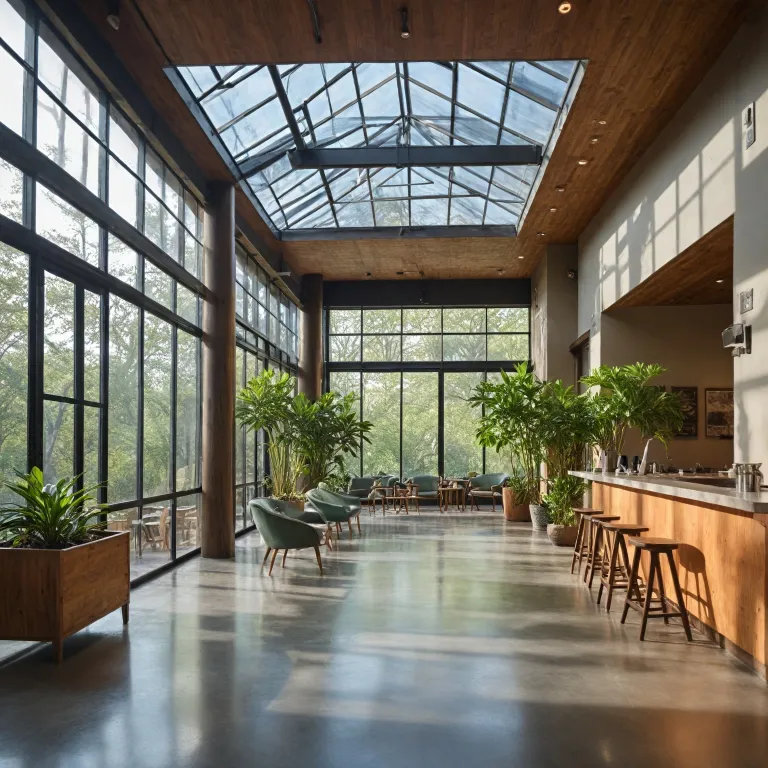
Integrating sustainable practices in hotel renovation: from vision to execution
In the hospitality industry, sustainable renovation is no longer an option but a necessity. Hotels and hospitality management teams are increasingly prioritizing sustainability initiatives to reduce their environmental impact while enhancing guest experiences. The integration of sustainable materials, energy-efficient systems, and advanced waste management solutions is transforming the way hotels approach renovation projects.
Asset managers and designers are collaborating with local suppliers to source eco friendly materials, such as reclaimed wood and recycled textiles, for guest rooms and public spaces. These sustainable materials not only reduce waste but also support the local economy and minimize transportation emissions. The adoption of green building practices, including the use of low-VOC paints and non-toxic adhesives, further elevates hotel sustainability efforts and aligns with the expectations of eco-conscious guests.
Energy management is a core focus during renovation, with hotels implementing smart systems to monitor and optimize energy consumption across all rooms and facilities. Water usage is also addressed through the installation of low-flow fixtures and greywater recycling systems, ensuring that sustainability is embedded in every aspect of the renovation process. By embracing these best practices, hotels are setting new standards for sustainable hospitality and long term operational efficiency.
Energy efficiency and renewable systems: powering hotels with green innovation
Energy efficiency is at the heart of sustainable hotel renovation. The hospitality industry recognizes that approximately 73% of energy use in hotels is attributed to electricity, making energy management a critical area for improvement. Hotels are investing in energy efficient HVAC systems, LED lighting, and building automation technologies to reduce energy consumption and operational costs.
Renewable energy systems, such as solar panels, are being integrated into hotel designs to further support sustainability goals. For example, Hotel Marcel operates as a zero-energy building, utilizing over 1,000 solar panels and advanced energy management systems to achieve remarkable energy efficiency. These sustainability initiatives not only lower the carbon footprint but also enhance the brand reputation of hotels committed to green practices.
In addition to on-site renewable energy generation, hotels are partnering with local renewable energy providers to ensure a consistent supply of clean energy. The adoption of smart building systems allows for real-time monitoring and optimization of energy usage, supporting both sustainability and guest comfort. For more insights on energy efficient renovation strategies, visit sustainable hotel energy solutions.
Water conservation and sustainable systems: reducing usage and enhancing efficiency
Water usage is a significant concern in the hospitality industry, particularly during renovation projects. Hotels are implementing sustainable systems to minimize water consumption and promote responsible water management throughout their operations. Low-flow fixtures, dual-flush toilets, and rainwater harvesting systems are now standard features in many renovated guest rooms and public areas.
Hospitality management teams are also exploring innovative solutions such as greywater recycling and smart irrigation systems to further reduce water usage. These sustainable practices not only conserve natural resources but also contribute to long term cost savings and regulatory compliance. The integration of water-efficient appliances and fixtures is a key component of hotel sustainability, ensuring that every drop is used efficiently.
Best practices in water management are being shared across the hospitality alliance, enabling hotels to learn from each other and adopt proven sustainability initiatives. For a deeper dive into water conservation technologies in hotel renovation, explore advanced water management in hospitality. These efforts are essential for addressing climate change and supporting the broader goals of sustainable hospitality.
Waste management and circularity: minimizing impact through innovative solutions
Effective waste management is a cornerstone of sustainable hotel renovation. The hospitality industry is embracing circular economy principles by reducing, reusing, and recycling materials throughout the renovation process. Hotels are working closely with waste management companies and sustainability consultants to develop tailored waste reduction programs that address the unique challenges of each property.
Food waste is a particular focus, with hotels like Hilton Anatole implementing on-site beekeeping and composting initiatives to minimize waste and support local ecosystems. The use of reclaimed wood and recycled materials in guest rooms and common areas further demonstrates a commitment to sustainable practices. These efforts not only reduce landfill contributions but also create healthier environments for guests and staff.
Asset managers and designers are leveraging digital tools to track waste generation and identify opportunities for improvement. By prioritizing waste management and circularity, hotels are enhancing their sustainability credentials and meeting the expectations of environmentally conscious guests.
Local sourcing and sustainable food: supporting communities and reducing carbon footprint
Local sourcing is a key strategy in sustainable hotel renovation, particularly in the selection of materials and food offerings. Hotels are partnering with local suppliers to procure sustainable materials, such as reclaimed wood and eco friendly textiles, for use in guest rooms and public spaces. This approach not only reduces transportation emissions but also supports the local economy and fosters community relationships.
Sustainable food practices are equally important, with hotels implementing programs to reduce food waste and source ingredients from local producers. These initiatives contribute to the overall sustainability of the hospitality industry and align with the growing demand for green and ethical hospitality experiences. By prioritizing local and sustainable food systems, hotels can offer guests fresh, high-quality meals while minimizing their environmental impact.
Hospitality management teams are also engaging with community organizations to promote sustainable practices and support local development. These collaborations enhance the reputation of hotels as responsible members of the hospitality alliance and reinforce their commitment to long term sustainability. The integration of local sourcing and sustainable food systems is a vital component of hotel sustainability efforts.
Guest engagement and the future of sustainable hospitality: driving change through experience
Engaging guests in sustainability initiatives is essential for the long term success of hotel renovation projects. Hotels are leveraging digital platforms and in-room communications to educate guests about sustainable practices and encourage participation in green programs. These efforts create a sense of shared responsibility and enhance the overall guest experience.
"Sustainable renovations can lead to reduced operational costs, improved guest satisfaction, enhanced brand reputation, and compliance with environmental regulations." This expert insight underscores the value of sustainability initiatives for both hotels and their guests. By involving guests in energy and water conservation efforts, as well as waste reduction programs, hotels can foster a culture of sustainable hospitality that extends beyond the property itself.
The future of the hospitality industry lies in the continued adoption of innovative sustainability practices and the cultivation of strong partnerships with local communities, suppliers, and sustainability experts. As hotels renovate sustainably, they are not only addressing climate change but also setting new benchmarks for excellence in the industry. The journey toward sustainable hospitality is ongoing, with each renovation project offering new opportunities for growth and positive impact.
Key statistics on sustainable hotel renovation
- 73% of energy use in hotels is attributed to electricity.
Frequently asked questions about sustainable hotel renovation
What are common sustainable practices in hotel renovations?
Common practices include installing energy-efficient systems, using renewable energy sources, incorporating sustainable materials, reducing waste through recycling and upcycling, and enhancing water conservation measures.
How do sustainable renovations benefit hotels?
Sustainable renovations can lead to reduced operational costs, improved guest satisfaction, enhanced brand reputation, and compliance with environmental regulations.
Are there certifications for sustainable hotels?
Yes, certifications such as LEED (Leadership in Energy and Environmental Design) and Green Key Global recognize hotels that meet specific sustainability criteria.
Trusted sources for sustainable hotel renovation
- https://en.wikipedia.org/wiki/Hotel_Marcel
- https://www.meetingstoday.com/articles/145282/new-renovated-meetings-properties-are-prioritizing-sustainability