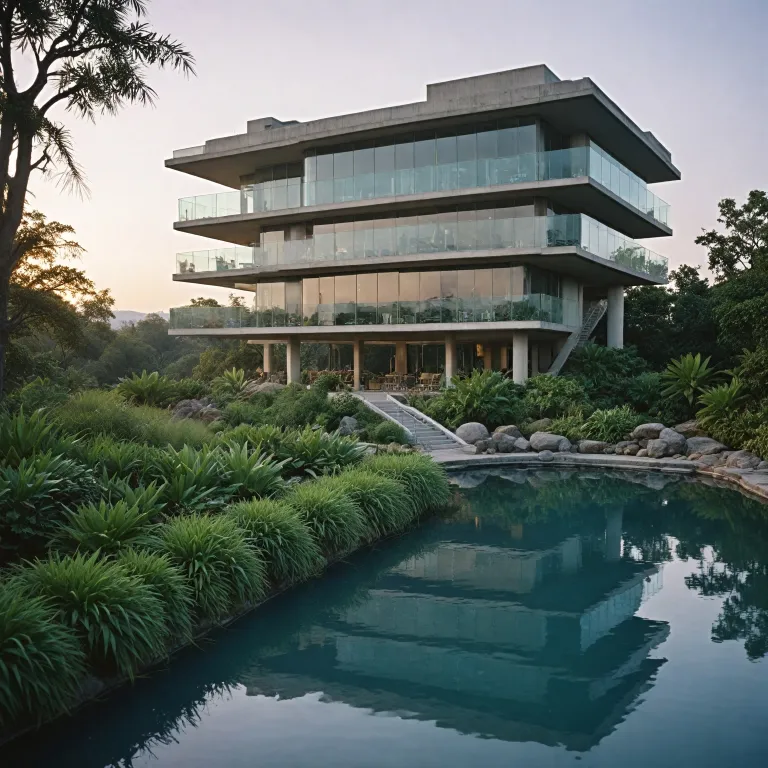
Innovative design philosophies shaping contemporary hotel architecture in Asia
Contemporary hotel architecture in Asia is characterized by a dynamic interplay of innovative design, cultural resonance, and sustainability. Leading architectural firms such as Zaha Hadid Architects and GFAB Architects have set new benchmarks in hotel design by integrating advanced structural concepts with local materials. The Morpheus Hotel in Macau, for example, stands out for its exoskeleton structure, a hallmark of innovative design that redefines the skyline and enhances the guest experience. This approach not only elevates the architectural profile of hotels but also aligns with the hospitality industry's pursuit of the best hotel and resort experiences.
Interior designers and architectural associations across Asia are increasingly focusing on blending traditional elements with modern aesthetics. Projects like Haritha Villas & Spa in Sri Lanka exemplify how contemporary hotel architecture can respect local heritage while delivering luxury and comfort. The use of sustainable materials and energy-efficient systems is now a standard in hotel design, reflecting a broader commitment to environmental responsibility. These efforts are often recognized through international design awards, with properties in China, Hong Kong, and Sanya frequently earning gold and silver accolades for their innovative design and interior excellence.
Asset managers and investors are drawn to properties that demonstrate a strong hospitality concept, as these hotels tend to attract discerning travelers seeking unique experiences. The integration of art design and best interior practices not only enhances the visual appeal but also contributes to operational efficiency. As the demand for top interior and best hotel design grows, the role of interior designers and design architectural firms becomes increasingly pivotal in shaping the future of hospitality in Asia.
Blending local culture and modernity in hotel and resort design
One of the defining features of contemporary hotel architecture in Asia is the seamless integration of local culture with modern design principles. Hotels in Chengdu, Yalong Bay, and Hong Kong are prime examples of how architecture design can celebrate regional identity while meeting the expectations of international travelers. The use of indigenous materials, traditional craftsmanship, and culturally inspired motifs creates a sense of place that distinguishes these properties in a competitive market.
Interior designers and hotel design specialists collaborate closely with local artisans to ensure authenticity in every detail. This partnership not only supports the local economy but also enriches the guest experience by offering a genuine connection to the destination. Award-winning projects often highlight this synergy, with choice awards and interior awards recognizing the best interior and best design achievements. The Banyan Tree brand, for instance, is renowned for its commitment to cultural immersion and innovative design across its portfolio in Asia.
For professionals in the hospitality industry, understanding the nuances of blending tradition and innovation is essential. Asset managers, suppliers of FF&E, and technical directors must navigate the complexities of sourcing materials and managing renovations that honor both heritage and contemporary standards. For further insights on FF&E procurement strategies, refer to this comprehensive guide on FF&E in hospitality projects. This delicate balance is what sets top interior and hotel best projects apart, earning them recognition from international design associations and positioning them as leaders in the field.
Sustainability and the evolution of interior design in Asian hotels
Sustainability has become a cornerstone of contemporary hotel architecture in Asia, influencing every aspect of design, construction, and operation. Hotels in China, Sanya, and other key destinations are adopting energy-efficient systems, eco-friendly materials, and innovative design solutions to minimize their environmental footprint. The integration of green technologies is not only a response to regulatory requirements but also a reflection of evolving guest preferences for responsible travel.
Interior designers play a critical role in advancing sustainability within hotel and resort environments. By selecting locally sourced materials and implementing best interior practices, they contribute to the overall efficiency and longevity of the property. Award-winning hotels are often those that demonstrate a commitment to both luxury and environmental stewardship, earning gold and silver awards for their efforts in sustainable design. The international design community recognizes these achievements through prestigious awards, further elevating the status of Asian hotels on the global stage.
Innovative design strategies, such as adaptive reuse and modular construction, are gaining traction among asset managers and investors seeking to optimize returns while reducing environmental impact. For a deeper exploration of sustainable renovation practices, visit this resource on sustainable hotel renovations. As the hospitality industry continues to evolve, the emphasis on sustainability will remain a defining characteristic of the best hotel and best design projects in Asia.
Recognition and awards: celebrating excellence in hotel and interior design
The pursuit of excellence in contemporary hotel architecture in Asia is frequently acknowledged through a range of prestigious awards and accolades. Properties in Hong Kong, China, and Sanya regularly feature among the winners of international design competitions, earning recognition for their innovative design, best interior, and outstanding hospitality concepts. These awards serve as a benchmark for quality and inspire continuous improvement across the industry.
Interior designers and hotel design professionals strive to achieve gold and silver awards, which not only validate their creative vision but also enhance the marketability of the property. The association between award-winning design and commercial success is well established, with top interior and hotel best projects attracting higher occupancy rates and premium pricing. The choice awards, in particular, highlight the importance of guest satisfaction and experiential value in determining the best hotel and best design outcomes.
Art design and architecture design are integral to the award evaluation process, with judges assessing both aesthetic appeal and functional performance. The international design community values projects that demonstrate a harmonious balance between innovation, cultural relevance, and operational excellence. These recognitions not only celebrate individual achievements but also set new standards for the entire hospitality industry.
Key players and collaborative approaches in Asian hotel architecture
The success of contemporary hotel architecture in Asia is driven by a diverse network of stakeholders, including architects, interior designers, asset managers, and FF&E suppliers. Leading firms such as Zaha Hadid Architects, GFAB Architects, and Kengo Kuma have established themselves as pioneers in innovative design and hospitality concepts. Their collaborations with local artisans and international partners result in hotel and resort projects that are both globally competitive and deeply rooted in local culture.
Interior designers and hotel design specialists are instrumental in translating architectural visions into tangible guest experiences. Their expertise in space planning, material selection, and art design ensures that each project meets the highest standards of quality and functionality. The association between design architectural excellence and commercial viability is reinforced by the success of award-winning properties in markets such as Chengdu, Yalong Bay, and Hong Kong.
Asset managers and investors play a crucial role in supporting innovative design initiatives, recognizing the long-term value of best hotel and best design projects. Their commitment to sustainability, operational efficiency, and guest satisfaction drives continuous improvement across the industry. As the hospitality sector in Asia continues to expand, the collaborative efforts of these key players will shape the future of contemporary hotel architecture and interior design.
Trends and future directions in innovative hotel and resort design
The landscape of contemporary hotel architecture in Asia is constantly evolving, with new trends emerging in response to changing guest expectations and technological advancements. The integration of smart technologies, flexible spaces, and personalized experiences is redefining the concept of luxury in hotel and resort environments. Interior designers are experimenting with bold color palettes, unconventional materials, and immersive art design to create memorable spaces that resonate with diverse audiences.
Hospitality concepts are becoming increasingly tailored to specific market segments, with boutique hotels, lifestyle resorts, and urban retreats offering unique value propositions. The emphasis on best interior and best hotel design is reflected in the growing number of properties receiving international design awards and recognition. As noted in the dataset, "Research the architectural highlights of hotels before booking to enhance your stay." This advice underscores the importance of design architectural excellence in shaping guest perceptions and driving business success.
Looking ahead, the focus on sustainability, cultural authenticity, and innovative design will continue to define the best hotel and best design projects in Asia. The association between award-winning architecture and commercial performance will remain strong, motivating industry professionals to push the boundaries of creativity and excellence. The future of contemporary hotel architecture in Asia promises to be both inspiring and transformative, setting new benchmarks for the global hospitality industry.
Quantitative insights: contemporary hotel architecture in Asia
- Number of new luxury hotels opened in Asia (2015-2025): 500 hotels
- Percentage of travelers seeking unique architectural experiences: 65%
Frequently asked questions about contemporary hotel architecture in Asia
What are some examples of contemporary hotel architecture in Asia?
Examples include the Morpheus Hotel in Macau, Haritha Villas & Spa in Sri Lanka, and Ace Hotel Kyoto in Japan.
How do modern Asian hotels incorporate local culture into their designs?
They blend traditional materials and architectural elements with modern aesthetics to create culturally resonant spaces.
What role does sustainability play in contemporary hotel architecture in Asia?
Sustainability is a key focus, with hotels incorporating energy-efficient systems, sustainable materials, and eco-friendly practices.
Trusted sources for further reading
- https://www.archdaily.com/
- https://www.dezeen.com/
- https://www.hospitalitynet.org/