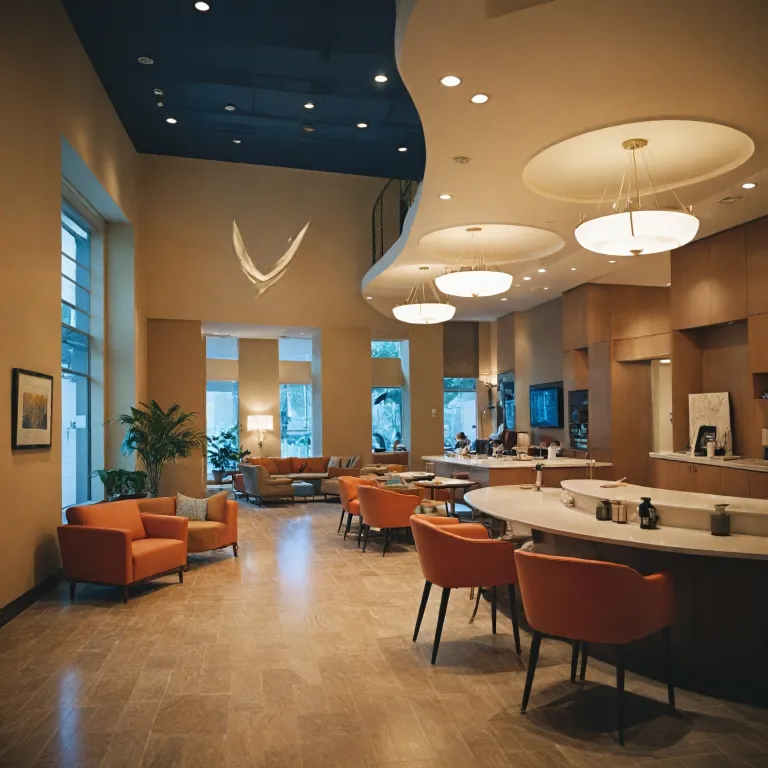
Understanding the fundamentals of FF&E selection for hotels
Selecting FF&E for hotels is a multifaceted process that directly impacts guest experience, operational efficiency, and brand positioning. FF&E, which stands for furniture, fixtures, and equipment, encompasses all movable items essential for hotel operations and guest comfort. The process of choosing FF&E requires collaboration between hotel owners, interior designers, procurement specialists, and FF&E manufacturers to ensure that every piece aligns with the project's vision and brand standards. A successful hotel project begins with a clear understanding of the role FF&E plays in shaping the ambiance and functionality of guest rooms and public spaces. The selection of hotel furniture and fixtures must reflect the brand identity while meeting the practical needs of guests and staff. When selecting FF&E, it is crucial to consider durability, as hotel furniture must withstand heavy usage and frequent cleaning. This ensures that the FF&E budget is invested in items with a long service life, reducing replacement costs and supporting sustainability goals. The procurement process involves evaluating FF&E suppliers and manufacturers based on their ability to deliver quality products within the required timeline and budget. A phased approach to FF&E procurement and installation can help manage costs and minimize disruptions during hotel opening or renovation. The integration of technology, such as virtual reality tools, allows stakeholders to visualize design concepts and make informed decisions about furniture fixtures and equipment before committing to purchases.Aligning FF&E choices with brand standards and guest expectations
Brand standards are the foundation upon which FF&E selection is built, ensuring consistency across all guest rooms and public areas. Each hotel brand has unique requirements for furniture, fixtures, and equipment that must be met to maintain a cohesive guest experience. The process of selecting FF&E for hotels involves balancing these standards with the specific needs of the property and its target market. Designers and procurement specialists work closely with hotel owners to interpret brand guidelines and translate them into tangible FF&E solutions. This collaboration ensures that every piece of hotel furniture, from lobby seating to guest room desks, supports the desired ambiance and operational flow. The choice of FF&E also influences the perception of quality and comfort, which directly impacts guest satisfaction and loyalty. When considering FF&E suppliers, it is important to assess their track record in delivering products that meet brand standards and withstand the rigors of hospitality environments. The procurement process should include detailed specifications for each item, clear timelines for delivery and installation, and contingency plans for potential delays. For a deeper exploration of how brand standards shape FF&E selection, see our comprehensive guide on hotel design and brand alignment.Budget management and cost optimization in FF&E procurement
Effective budget management is essential when selecting FF&E for hotels, as costs can quickly escalate without careful planning and oversight. The FF&E budget typically represents a significant portion of the overall hotel project, with industry benchmarks suggesting that around 7-10% of total development costs should be allocated to FF&E procurement. According to recent data, the average FF&E cost per room in midscale hotels is approximately 14,400 USD, with about 50% of this budget dedicated to guest room furniture. To optimize FF&E costs, procurement specialists conduct thorough market research to identify competitive pricing and value-added services from FF&E suppliers. Negotiating with manufacturers and leveraging bulk purchasing agreements can yield substantial savings without compromising quality. It is also important to factor in the total cost of ownership, including maintenance, replacement cycles, and potential upgrades to meet evolving guest expectations. Budgeting tools and quality assessment checklists are valuable resources for tracking expenses and ensuring that each procurement decision aligns with the project's financial goals. For more insights on cost-effective FF&E procurement strategies, refer to our article on FF&E budget optimization for hotel projects.Ensuring durability, sustainability, and compliance in FF&E selection
Durability is a critical consideration when choosing FF&E for hotels, as furnishings must endure constant use and frequent cleaning. High-quality hotel furniture is expected to have a service life of at least seven years, which underscores the importance of selecting robust materials and construction methods. As one expert notes, "Durability ensures that furnishings can withstand the high usage typical in hotels, reducing maintenance costs and extending the lifespan of the items." Sustainability is increasingly important in FF&E procurement, with many hotels opting for furniture and fixtures made from recycled or renewable materials. Working with FF&E suppliers who prioritize ethical manufacturing practices and energy-efficient equipment supports environmental responsibility and enhances brand reputation. Compliance with safety and accessibility standards is also essential, ensuring that all FF&E items meet regulatory requirements and provide a safe, inclusive environment for guests. The use of technology-integrated furniture and multifunctional designs can further enhance guest experience while optimizing space utilization. For a practical example of sustainable FF&E choices, consider the adoption of eco-friendly finishes and modular furniture systems that can be easily reconfigured to accommodate changing needs.Managing the FF&E procurement and installation process
The FF&E procurement process is complex, involving multiple stakeholders and a series of coordinated steps to ensure timely delivery and installation. Procurement specialists play a pivotal role in sourcing, negotiating, and managing relationships with FF&E manufacturers and suppliers. A phased approach to procurement allows for greater flexibility and risk mitigation, particularly in large-scale hotel projects where delivery and installation schedules must be tightly managed. Clear communication and detailed project management are essential to avoid delays and cost overruns. Each stage of the process, from initial selection to final FF&E installation, should be documented and monitored using project management tools. Collaboration with experienced interior designers and procurement agencies ensures that all FF&E items are delivered and installed according to the agreed specifications and timelines. The delivery and installation phase requires careful coordination to minimize disruption to hotel operations, especially during renovation or hotel opening. Quality control checks should be conducted at each stage to ensure that all furniture fixtures and equipment meet the required standards. For a successful FF&E installation, it is crucial to work with reliable suppliers who can provide after-sales support and maintenance services.Enhancing guest experience through thoughtful FF&E choices
The ultimate goal of selecting FF&E for hotels is to create an environment that delights guests and supports operational excellence. Every element, from the comfort of the bed to the functionality of the workspace, contributes to the overall guest experience. As highlighted in the expert dataset, "FF&E contributes significantly to the hotel's aesthetic and ambiance, reflecting its brand identity and influencing guest perceptions and experiences." Customization of FF&E allows hotels to differentiate themselves and create memorable spaces that resonate with their target audience. Technology-integrated furniture, such as smart lighting and charging stations, enhances convenience and appeals to modern travelers. Multifunctional and space-saving designs are particularly valuable in urban hotels where maximizing usable space is a priority. The selection of FF&E should also consider the needs of diverse guest profiles, including families, business travelers, and guests with accessibility requirements. By prioritizing comfort, functionality, and aesthetic appeal, hotels can ensure that every guest enjoys a positive and memorable stay. The impact of well-chosen FF&E extends beyond individual guest rooms, influencing reviews, repeat business, and the overall success of the hotel project.Collaboration and innovation in FF&E procurement for hospitality projects
Successful FF&E procurement in the hospitality industry relies on strong partnerships between hotel owners, interior designers, procurement specialists, and FF&E manufacturers. Each actor brings unique expertise to the table, ensuring that the selection process is informed by the latest trends, technologies, and best practices. Collaboration with reputable FF&E suppliers and design firms is essential for achieving project goals and maintaining brand standards. Innovation is transforming the way hotels approach FF&E selection, with virtual reality tools enabling immersive design previews and more informed decision-making. The use of design software for space planning and visualization streamlines the process and reduces the risk of costly errors. As noted in the expert dataset, "Hotels should allocate a percentage of their total development cost to FF&E, typically around 7-10%, and plan for quality investments that balance cost-effectiveness with durability and design." By embracing new technologies and fostering a culture of collaboration, hotels can navigate the complexities of FF&E procurement and deliver exceptional guest experiences. The future of FF&E in hospitality will be shaped by ongoing innovation, sustainability, and a relentless focus on guest satisfaction.Key statistics on FF&E selection for hotels
- Average FF&E cost per room in midscale hotels: 14,400 USD
- Percentage of FF&E budget allocated to guest room furniture: 50%
- Expected service life of high-quality hotel furniture: 7 years
Frequently asked questions about FF&E in hotels
What does FF&E stand for in the hotel industry?
FF&E stands for Furniture, Fixtures, and Equipment, encompassing all movable items not permanently attached to the building structure, essential for hotel operations and guest comfort.
Why is durability important in selecting hotel FF&E?
Durability ensures that furnishings can withstand the high usage typical in hotels, reducing maintenance costs and extending the lifespan of the items.
How can hotels incorporate sustainability in their FF&E choices?
Hotels can choose FF&E made from recycled or renewable materials, opt for energy-efficient equipment, and work with suppliers who prioritize ethical manufacturing practices.
Trustful sources for FF&E selection in hospitality
- https://www.hotelmanagement.net
- https://www.hospitalitynet.org
- https://www.hvs.com