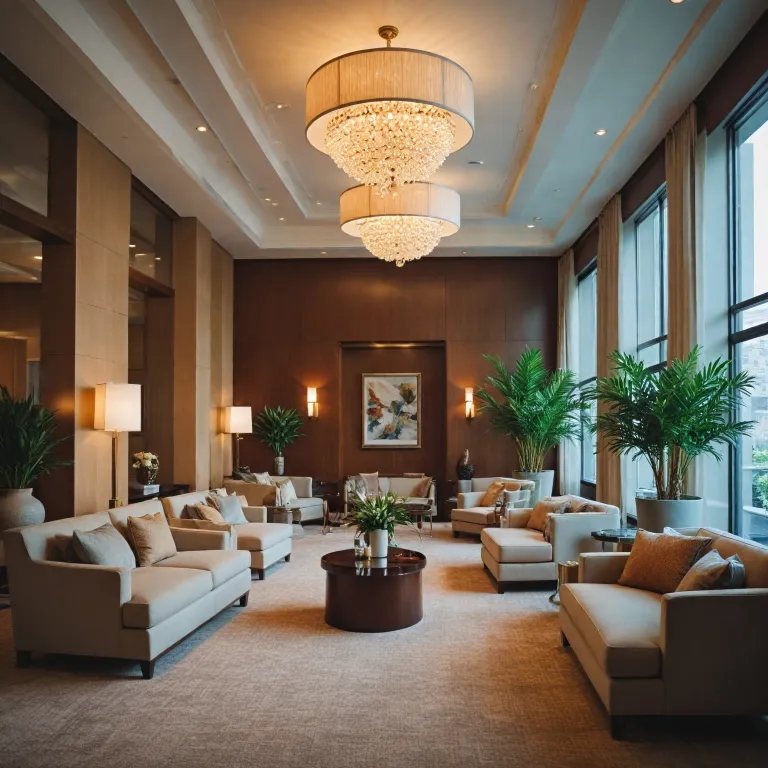
Layered lighting strategies for dynamic hotel environments
Lighting is fundamental in shaping the atmosphere and functionality of hotel spaces. In contemporary hospitality design, layered lighting schemes are essential for creating adaptable environments that cater to diverse guest needs. By integrating ambient lighting, accent lights, and task-specific fixtures, designers can ensure every area—from the living room to the guest room—offers both comfort and visual interest. Pendant lights and chandeliers suspended from the ceiling add elegance, while floor lamps and wall-mounted lights provide flexibility for various activities. The use of LED lights not only enhances energy efficiency but also allows for tunable color temperatures, supporting a range of moods and times of day. Lighting designers increasingly focus on blending natural light with artificial solutions, maximizing daylight in public areas and guest rooms to foster well-being. The interplay of light and color in hotel interiors is carefully curated to highlight architectural features and create a memorable guest experience. As energy efficiency becomes a top priority, smart lighting controls and automated systems are now standard in modern hotel lighting design inspirations.
Human-centric lighting and the evolution of guest comfort
Human-centric lighting is transforming the way hotels approach guest comfort and well-being. By aligning lighting schemes with circadian rhythms, hotels can promote better sleep and overall health for their guests. Tunable-white LED fixtures, which adjust color temperature throughout the day, are increasingly used in guest rooms and living areas to mimic natural light cycles. This approach is supported by the expertise of renowned lighting designers such as Sally Storey and Lesley Wheel, who have championed the integration of warmth and intimacy through carefully designed lighting solutions. As stated in the dataset, "Human-centric lighting aligns with guests' circadian rhythms, promoting better sleep and overall well-being during their stay." The adoption of smart lighting controls allows guests to personalize their environment, adjusting light intensity and color to suit individual preferences. In public areas, ambient lighting and accent lights are strategically placed to enhance the guest experience, creating inviting spaces for relaxation or social interaction. The focus on energy-efficient lighting solutions, such as LED lights and automated controls, not only benefits the environment but also reduces operational costs for hotel operators. For those seeking further insights into the latest innovations, the hotel lighting design trends page offers a comprehensive overview of current best practices in the industry.
Accent lighting and architectural storytelling in hospitality design
Accent lighting plays a pivotal role in highlighting the unique architectural features and design elements of hotels. By directing light to specific areas, such as artwork, textured walls, or bespoke furnishings, designers can create focal points that enrich the visual narrative of a space. Pendant lights and pendant light clusters are popular choices for lobbies and dining areas, offering both functional illumination and sculptural appeal. Chandelier installations in grand entrances or ballrooms serve as signature design statements, reinforcing the hotel's brand identity. The use of LED lights with high color rendering index (CRI) ensures that colors appear vibrant and true to life, enhancing the overall interior design. Lighting designers collaborate closely with architects and FF&E suppliers to select fixtures that complement the material palette and spatial layout. The integration of smart controls enables dynamic lighting scenes, allowing hotel staff to adjust the ambiance for different events or times of day. For a deeper dive into the impact of accent lighting on guest experience, explore the architectural lighting solutions resource, which showcases exemplary projects and innovative techniques.
Smart controls and energy efficiency in modern hotel lighting
Smart lighting controls are revolutionizing the way hotels manage energy consumption and guest comfort. Automated systems equipped with occupancy sensors and preset scenes streamline operations, ensuring that lights are only used when needed. This approach not only reduces energy costs but also extends the lifespan of lighting fixtures, contributing to long-term sustainability. According to the dataset, "Smart lighting controls enhance energy efficiency, simplify operations, and allow for personalized lighting experiences for guests." The integration of LED lights and tunable color temperatures further supports energy-efficient practices, with hotels reporting up to 20% savings on lighting-related energy use. Lighting designers and technical directors collaborate to implement solutions that balance operational efficiency with aesthetic goals. In guest rooms, personalized controls empower guests to tailor the lighting scheme to their preferences, enhancing satisfaction and loyalty. Public areas benefit from adaptive lighting that responds to natural light levels, creating a seamless transition between day and night.
Material selection and FF&E considerations for lighting design
The choice of materials and FF&E (Furniture, Fixtures, and Equipment) is critical in achieving cohesive and effective hotel lighting design inspirations. Lighting fixtures must harmonize with the overall interior design, supporting both functional and aesthetic objectives. Pendant lights, chandeliers, and floor lamps are selected not only for their visual appeal but also for their performance characteristics, such as energy efficiency and durability. LED lights are favored for their long lifespan and low maintenance requirements, with hotels experiencing up to a 25% reduction in maintenance costs. The selection of color temperatures and finishes is tailored to each space, ensuring that lighting enhances the mood and complements the color palette. Collaboration between lighting designers, architects, and FF&E suppliers is essential to ensure that all elements work together seamlessly. The integration of natural light is also prioritized, with window treatments and glazing specified to maximize daylight while minimizing glare. In areas where artificial lighting is predominant, careful attention is paid to the distribution and intensity of light, creating comfortable and inviting environments for guests and staff alike.
Future trends: personalization and sustainability in hotel lighting
The future of hotel lighting design inspirations lies in the convergence of personalization and sustainability. Advances in smart technology enable hotels to offer tailored lighting experiences, adapting to individual guest preferences and activities. Lighting designers are exploring new ways to integrate energy-efficient solutions, such as solar-powered fixtures and advanced LED systems, into both public and private areas. The emphasis on human-centric lighting continues to grow, with research supporting its positive impact on guest well-being and satisfaction. As stated in the dataset, "Hotels can improve energy efficiency by using LED fixtures, implementing smart controls, and designing lighting systems that adapt to occupancy and natural light levels." Asset managers and investors are increasingly prioritizing lighting solutions that deliver measurable returns, both in terms of operational savings and enhanced guest experience. The collaboration between design studios, technical offices, and FF&E suppliers is driving innovation, resulting in lighting schemes that are both beautiful and responsible. As the hospitality industry evolves, lighting will remain a key differentiator, shaping the identity and success of hotels worldwide.
Key statistics on hotel lighting design inspirations
- Energy savings from LED lighting in hotels: 20% reduction in energy use.
- Increase in guest satisfaction with human-centric lighting: 15% improvement.
- Reduction in maintenance costs with durable lighting fixtures: 25% decrease.
Frequently asked questions about hotel lighting design inspirations
What is layered lighting in hotel design?
Layered lighting combines ambient, task, and accent lighting to create a flexible and adaptable ambiance in hotel spaces.
How does human-centric lighting benefit hotel guests?
Human-centric lighting aligns with guests' circadian rhythms, promoting better sleep and overall well-being during their stay.
Why are smart lighting controls important in hotels?
Smart lighting controls enhance energy efficiency, simplify operations, and allow for personalized lighting experiences for guests.