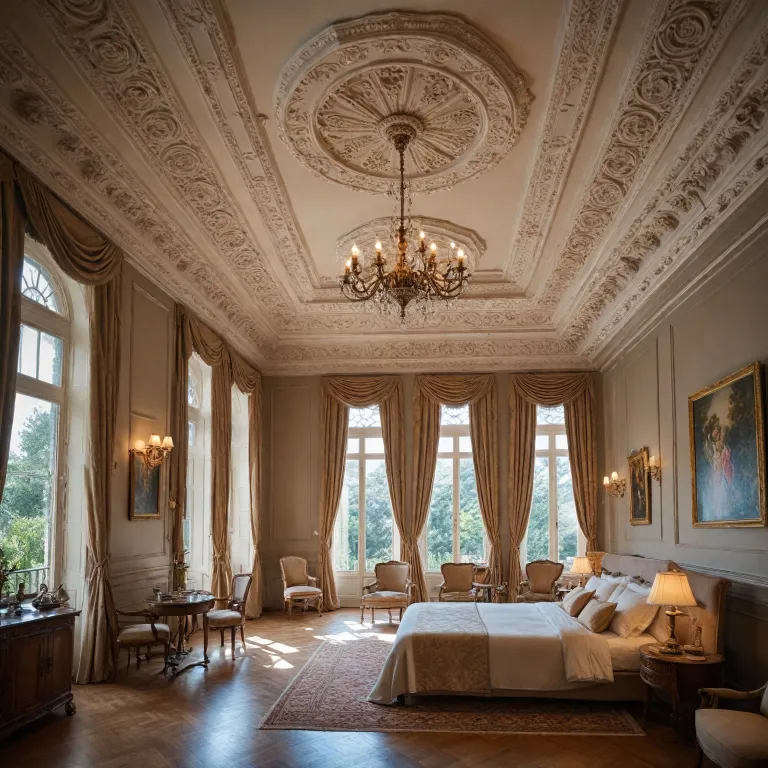
Preserving history through design: Italian hotels as living heritage
Italian hotels are renowned for their ability to merge centuries-old history with modern luxury. The best hotel renovations in Italy focus on preserving architectural integrity while introducing contemporary design pieces and amenities. In Florence, the Four Seasons Hotel Milano exemplifies this approach, where Pierre-Yves Rochon led the redesign of rooms and suites, integrating antique pieces and restoring walls and ceilings to their original grandeur. The city views from these rooms and suites offer a unique perspective on Florence’s rich past, while the lounge area and rooftop bar provide modern comforts. Italian hotels like these often feature hand painted details and carefully curated FF&E collections, ensuring that every element, from the infinity pool to the private gardens, reflects both history and innovation. The result is a seamless blend of old and new, making these hotels a benchmark for luxury and design in the hospitality industry.Innovative approaches to FF&E and sustainability in luxury hotel renovations
The best hotel renovations in Italy are increasingly defined by their commitment to sustainable materials and innovative FF&E solutions. At Palazzo Daniele in Puglia, Studio Palomba Serafini preserved the villa’s historical essence while introducing modern design pieces and sustainable furnishings. The use of locally sourced materials and traditional craftsmanship ensures that each hotel, whether a boutique villa or a five-star property, maintains its Italian identity. The swimming pool and lounge area at these hotels are designed to maximize both comfort and environmental responsibility. Asset managers and investors are recognizing the value of integrating sustainability into the renovation process, as it enhances the appeal of Italian hotels to discerning travelers. For those seeking more insights into sustainable FF&E strategies, the hospitality design resource provides valuable guidance for architects and suppliers.Signature experiences: private beaches, pools, and curated luxury
A defining feature of the best hotel renovations in Italy is the creation of signature guest experiences. The Belmond hotel collection, including the iconic Splendido Belmond and Hotel Portofino, offers guests access to private beaches, infinity pools, and exclusive beach clubs. These hotels are celebrated for their sea views, lush gardens, and meticulously restored rooms and suites. The design of each hotel is tailored to its location, with hand painted walls and ceilings, antique pieces, and regional Italian influences evident throughout. The rooftop bar at Hotel Florence, for example, provides panoramic city views and a curated selection of regional Italian wines. For a deeper exploration of curated luxury experiences in Italian hotels, visit the luxury travel insights page. Asset managers and investors are increasingly prioritizing these unique amenities, recognizing their impact on guest satisfaction and hotel performance.Collaboration and expertise: the role of designers and partners in Italian hotel renovations
Successful hotel renovations in Italy rely on the expertise of renowned designers and collaborative partnerships. Projects such as Orient Express La Minerva in Rome, led by Hugo Toro, and Aman Rosa Alpina in the Dolomites, transformed by Jean-Michel Gathy, demonstrate the importance of blending local culture with contemporary luxury. The involvement of partners like Accor, LVMH, and Hilton ensures that each hotel renovation benefits from global standards and local authenticity. The Belmond hotel collection, with properties like Splendido Belmond and Hotel Portofino, exemplifies this collaborative approach, offering guests unparalleled luxury and design. The integration of FF&E collections, antique pieces, and modern amenities is carefully managed to respect the villa’s history while enhancing its appeal. For those interested in the technical aspects of hotel renovations, the architecture and design best practices page offers in-depth resources for professionals.Enhancing guest experiences: rooms, suites, and the art of Italian hospitality
Italian hotels are celebrated for their attention to detail in rooms and suites, where every element is designed to enhance the guest experience. The best hotel renovations in Italy prioritize spacious layouts, private balconies, and bespoke design pieces that reflect the region’s heritage. In the Belmond hotel collection, rooms and suites feature hand painted ceilings, antique pieces, and luxurious lounge areas with city or sea views. The swimming pool and infinity pool are often focal points, offering guests a tranquil retreat within the hotel’s gardens. Regional Italian cuisine is showcased in the hotel’s restaurants and rooftop bars, providing guests with an authentic taste of local flavors. The combination of luxury, design, and personalized service ensures that Italian hotels remain at the forefront of global hospitality trends. As one expert noted, “These renovations preserve historical architecture while integrating modern luxury, enhancing Italy's appeal as a luxury travel destination.”Market trends and investment opportunities in Italian hotel renovations
The market for hotel renovations in Italy is experiencing significant growth, driven by increased demand for luxury accommodations and unique guest experiences. According to industry reports, the number of luxury hotel renovations in Italy is projected to reach ten hotels, with an average investment of 50 million euros per property. Asset managers and investors are attracted by the potential for high returns, as luxury tourism in Italy is expected to increase by 15 percent. The focus on blending historical preservation with modern amenities, such as private beaches, infinity pools, and curated FF&E collections, positions Italian hotels as leaders in the global hospitality market. The success of the Belmond hotel collection, Hilton’s Tapestry Collection, and other Italian hotels demonstrates the value of investing in properties that combine heritage, design, and luxury. For professionals seeking to capitalize on these trends, understanding the nuances of FF&E selection, sustainable design, and guest experience is essential.Key statistics on luxury hotel renovations in Italy
- Number of luxury hotel renovations in Italy: 10 hotels
- Average investment per hotel renovation: 50 million euros
- Increase in luxury tourism in Italy: 15 percent
Frequently asked questions about hotel renovations in Italy
What are some notable hotel renovations in Italy?
Notable renovations include Orient Express La Minerva in Rome, Four Seasons Hotel Milano, Vista Ostuni in Puglia, Palazzo Daniele in Puglia, and Aman Rosa Alpina in the Dolomites.
Who are the key designers involved in these renovations?
Key designers include Hugo Toro, Pierre-Yves Rochon, Roberto Murgia, Studio Palomba Serafini, and Jean-Michel Gathy.
What is the significance of these hotel renovations?
These renovations preserve historical architecture while integrating modern luxury, enhancing Italy's appeal as a luxury travel destination.
Trusted sources for further information on Italian hotel renovations
- Accor and LVMH official websites
- Four Seasons Hotels and Resorts official website
- Hilton official website