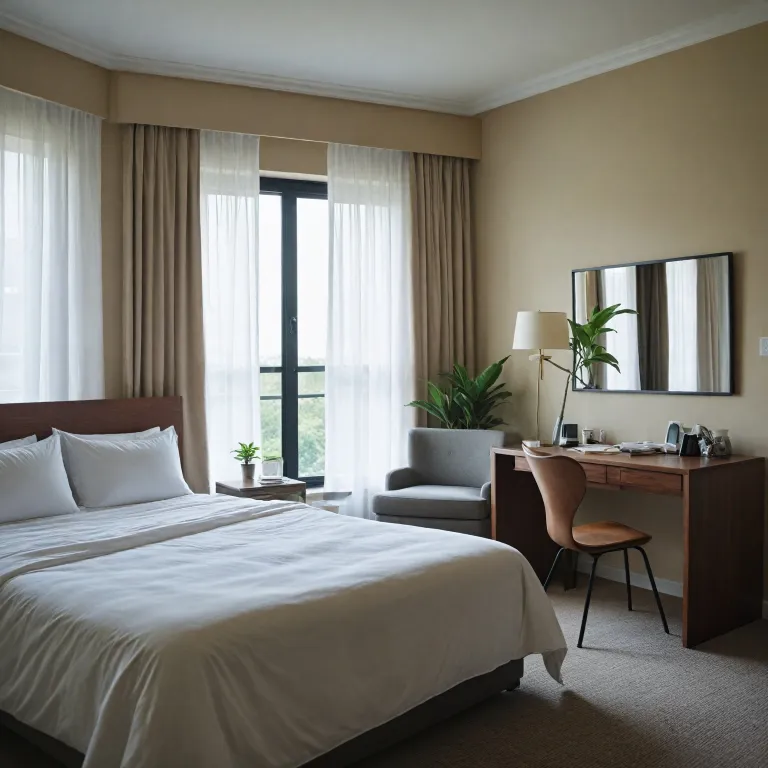
Minimalist hotel room designs: redefining luxury and comfort in hospitality
Minimalist hotel room designs have become a defining trend in the hospitality industry, offering a blend of modern aesthetics and functional elegance. The essence of minimalist hotel room design lies in simplicity, where every element serves a purpose and contributes to a serene environment. Clean lines, neutral color palettes, and uncluttered spaces are hallmarks of this approach, creating a sense of calm that resonates with both guests and operators. Modern hotel rooms increasingly reflect these principles, with interior design choices that prioritize comfort and efficiency without sacrificing style.
Luxury hotels are embracing minimalist hotel room designs to provide guests with a tranquil retreat from the busy world outside. The integration of modern bedroom interiors, understated wall treatments, and carefully selected FF&E (furniture, fixtures, and equipment) ensures that each room feels spacious and inviting. Scandinavian bedroom influences, with their focus on natural materials and subtle details, are often incorporated to enhance the minimalist aesthetic. This approach not only elevates the guest experience but also streamlines operations for hotel owners and asset managers, making minimalist hotel room designs a strategic choice for modern hospitality.
Minimalist hotel room designs also allow for the seamless integration of smart technology, further enhancing the guest experience. Invisible technology solutions, such as integrated lighting and climate control, maintain the clean lines and uncluttered look that define minimalist hotel rooms. The result is a harmonious blend of modern luxury and functional design, setting a new standard for hotel room interiors worldwide.
Key elements of minimalist hotel room designs: materials, color, and spatial planning
Successful minimalist hotel room designs rely on a thoughtful selection of materials, colors, and spatial arrangements. Neutral color palettes dominate modern hotel interiors, with shades of white, beige, and gray creating a timeless backdrop for luxury bedroom furnishings. Sustainable materials, such as natural wood and stone, are favored for their durability and aesthetic appeal, aligning with the growing demand for eco-friendly hotel design solutions. The choice of materials extends to bathroom fixtures and accessories, where simplicity and quality take precedence over ornate decoration.
Spatial planning is critical in minimalist hotel room designs, ensuring that every square meter is utilized efficiently. Multifunctional furniture, such as beds with integrated storage or modular seating, maximizes usable space without cluttering the room. Modern minimalist hotel rooms often feature open layouts that blur the boundaries between bedroom, living room, and bathroom areas, creating a sense of flow and openness. This approach is particularly effective in studio and beach hotel settings, where maximizing views and natural light is essential.
Attention to detail is paramount in minimalist hotel room designs, from the placement of lighting fixtures to the selection of wall art and accessories. Subtle design ideas, such as recessed lighting or concealed storage, contribute to the overall sense of calm and order. For those seeking inspiration, a curated collection of photos showcasing contemporary hotel room interiors can provide valuable insights into the latest trends and best practices. For a deeper dive into innovative FF&E solutions for minimalist hotel rooms, explore modern FF&E strategies for hospitality.
Integrating smart technology and sustainability in modern minimalist hotel rooms
Modern minimalist hotel room designs are increasingly defined by the integration of smart technology and sustainable practices. Invisible technology, such as automated lighting, climate control, and entertainment systems, allows guests to personalize their environment without disrupting the minimalist aesthetic. These innovations enhance the luxury hotel experience by providing convenience and comfort while maintaining the clean lines and uncluttered spaces that characterize minimalist hotel rooms.
Sustainability is another cornerstone of contemporary hotel design, with an emphasis on eco-friendly materials and energy-efficient solutions. Modern hotel rooms often feature furnishings made from recycled or responsibly sourced materials, as well as low-energy lighting and water-saving bathroom fixtures. This commitment to sustainability not only appeals to environmentally conscious travelers but also supports operational efficiency for hotel owners and asset managers.
Designers and suppliers are collaborating to develop innovative products that meet the demands of minimalist hotel room designs. From modular furniture to smart wall systems, these solutions enable hotels to create flexible, adaptable spaces that cater to diverse guest needs. For more on sustainable interior design in hospitality, visit sustainable hotel interiors.
Case studies: luxury hotels embracing minimalist design principles
Several luxury hotels around the world have set new benchmarks by adopting minimalist hotel room designs. These properties demonstrate how modern bedroom interiors, understated wall treatments, and carefully curated FF&E can create a sense of luxury without excess. For example, a five-star hotel on the Mediterranean coast features beach-inspired minimalist rooms with panoramic views, neutral color schemes, and bespoke furniture that blends seamlessly with the surroundings.
In urban settings, contemporary hotels are reimagining the traditional room layout to maximize space and light. Open-plan studio suites with integrated living room and bedroom areas offer guests flexibility and comfort, while minimalist bathrooms with walk-in showers and sleek fixtures enhance the sense of modern luxury. Photos of these interiors highlight the effectiveness of design ideas that prioritize simplicity and functionality.
Asset managers and investors are increasingly recognizing the value of minimalist hotel room designs in driving guest satisfaction and operational efficiency. According to recent industry data, properties that have embraced minimalist design principles report higher occupancy rates and improved guest feedback.
Designing for guest experience: the impact of minimalist hotel room interiors
The guest experience is at the heart of every successful minimalist hotel room design. By eliminating unnecessary clutter and focusing on essential elements, hotels create environments that promote relaxation and well-being. Modern minimalist hotel rooms are designed to offer guests a sense of privacy and tranquility, with carefully chosen materials and finishes that enhance comfort.
Luxury bedroom interiors often feature high-quality bedding, soft lighting, and thoughtful details that contribute to a restful atmosphere. The use of natural materials and neutral colors in room interiors reinforces the connection to nature, while large windows and open layouts maximize views and daylight. Scandinavian bedroom influences are particularly popular, with their emphasis on simplicity, functionality, and understated elegance.
Designers and hotel owners collaborate closely to ensure that every aspect of the room interior supports the overall guest experience. From the placement of furniture to the selection of artwork and accessories, every decision is guided by the principles of minimalist hotel room design. This approach not only enhances guest satisfaction but also supports the operational goals of modern hotels.
Collaboration and innovation: the future of minimalist hotel room designs
The evolution of minimalist hotel room designs is driven by collaboration between architects, designers, FF&E suppliers, and hotel owners. Interior designers play a crucial role in translating the vision of minimalist hotel rooms into reality, working closely with furniture manufacturers and technology providers to deliver innovative solutions. "A minimalist hotel room design is characterized by simplicity, functionality, and uncluttered spaces, often featuring neutral colors and multifunctional furniture."
As the hospitality industry continues to evolve, the demand for modern minimalist hotel rooms is expected to grow. Hotels that prioritize design minimalist principles, sustainable materials, and smart technology will be well positioned to meet the needs of contemporary travelers. The integration of modern luxury and minimalist aesthetics sets a new standard for hotel design, offering guests an unparalleled experience of comfort and style.
Looking ahead, the collaboration between all stakeholders—architects, designers, asset managers, and suppliers—will be essential in shaping the future of minimalist hotel room designs. By embracing innovation and maintaining a focus on guest experience, the industry can continue to deliver exceptional value and satisfaction.
Key statistics on minimalist hotel room designs
- 35% of hotels are adopting minimalist designs in their rooms.
- Guest satisfaction scores in minimalist rooms have increased by 15%.
Frequently asked questions about minimalist hotel room designs
What defines a minimalist hotel room design?
A minimalist hotel room design is characterized by simplicity, functionality, and uncluttered spaces, often featuring neutral colors and multifunctional furniture.
Why are hotels adopting minimalist designs?
Hotels are adopting minimalist designs to meet modern travelers' preferences for simplicity, enhance guest comfort, and improve operational efficiency.
How does minimalist design impact guest experience?
Minimalist design can enhance guest experience by creating a serene and uncluttered environment, leading to increased comfort and satisfaction.
Trusted sources for further reading
- Hospitality Design Magazine
- Hotel Guest Experience Report
- Dezeen